Best box types for moving: secure every item right
TL;DR:
- Choosing the right moving boxes depends on weight, durability, and item type.
- Cardboard boxes are affordable and versatile, but plastic crates offer reusability and weatherproofing.
- Specialist boxes provide essential protection for fragile or oddly shaped items like artwork and TVs.
Picking the wrong box for your move is the kind of mistake you only make once. A soggy, overloaded cardboard box splitting on the staircase, or a stack of plates rattling loose in transit, can turn a stressful day into an expensive one. The good news is that choosing the right box type is far simpler once you understand a handful of key criteria. In this guide, we walk you through the main box types available in the UK, compare their strengths honestly, and help you match each option to your specific belongings and circumstances so moving day runs as smoothly as possible.
Table of Contents
- Key criteria for selecting moving boxes
- Standard cardboard boxes: the versatile workhorse
- Plastic crates: durable and reusable for frequent or secure moves
- Specialist box types for tricky items
- How to match box types to your move
- What most people overlook about moving boxes
- Get the perfect moving boxes delivered to your door
- Frequently asked questions
Key Takeaways
| Point | Details |
|---|---|
| Choose by item type | Match heavy, fragile or valuable items to stronger or specialist boxes for the safest transit. |
| Don’t overload | Keep every box under 20-23kg, stacking heavier items on the bottom to prevent collapse or strain. |
| Plastic for many moves | Plastic crates are an investment for frequent moves or long-term storage, while cardboard works well for typical one-off moves. |
| Specialist boxes for tricky items | Wardrobe, dish, mirror, and TV boxes offer unique protection for items standard boxes can’t handle. |
| Consider eco and cost factors | Balance your box choices between budget, reusability, and waste to suit your unique move. |
Key criteria for selecting moving boxes
With the need for careful planning clear, let’s explore what you should look for before even choosing your box types. Not all boxes are created equal, and the differences matter more than most people expect.
Weight and load limits are the first consideration. A box that is too heavy becomes a safety hazard and a collapse risk. As a general rule, keep boxes under 20-23kg, with heavier items packed at the bottom and lighter ones on top. Overpacking is one of the most common mistakes made on moving day.
Material durability is the next factor. Your three main choices are:
- Single-wall cardboard: Lightweight, economical, suitable for light household goods
- Double-wall cardboard: Much stronger, ideal for heavier or fragile items
- Plastic crates: Rigid, waterproof, and built for repeated use
Item suitability matters enormously. A standard small box that works perfectly for books will be useless for a mirror or a hanging wardrobe. Think about the shape, fragility, and weight of each item group before you commit to a box type.
Budget versus long-term value is worth considering carefully. Cardboard boxes cost less upfront, but if you move frequently, the savings erode quickly. Plastic crates carry a higher initial price but can last for dozens of moves.
Environmental impact is increasingly relevant. Look for eco-friendly moving box choices made from recycled or recyclable materials, or opt for reusable plastic crates to reduce waste across multiple moves.
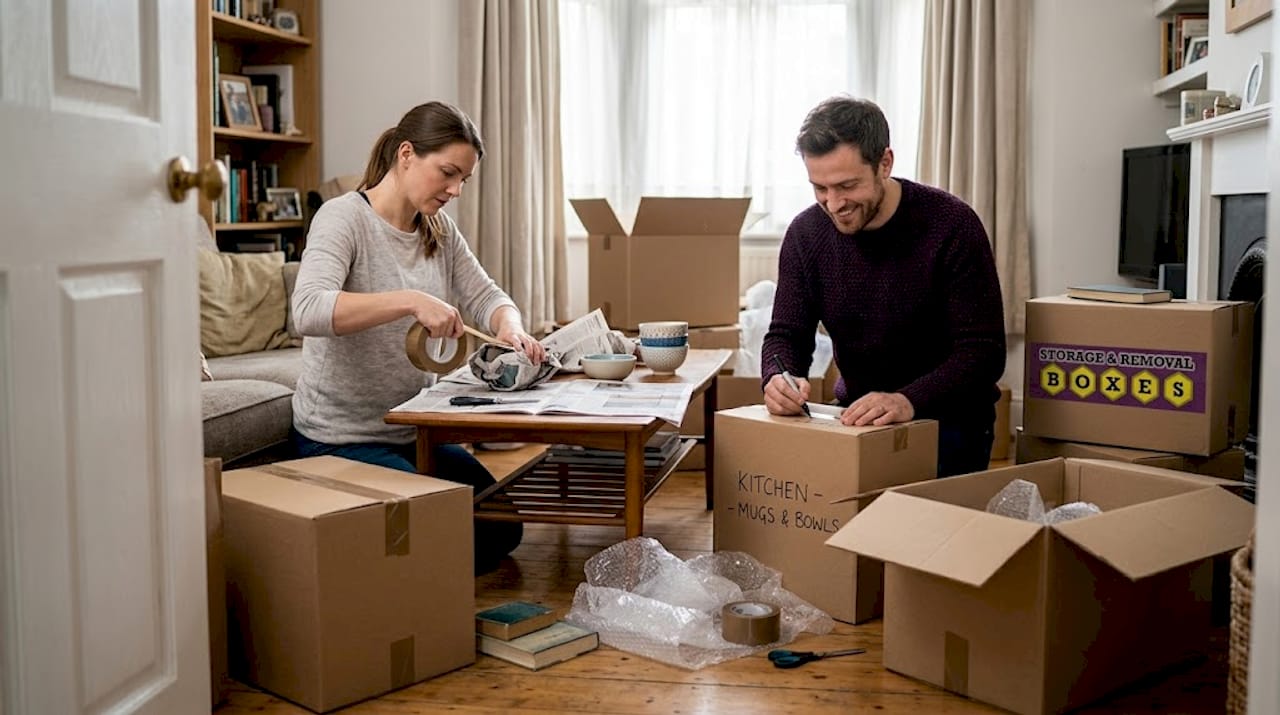
Pro Tip: Write the room destination and a brief contents list on every box before sealing it. This saves enormous time when unloading and means fragile boxes get the handling they deserve.
Standard cardboard boxes: the versatile workhorse
Now you know what to look for, let’s examine the backbone of nearly every UK move: standard cardboard boxes. They are affordable, widely available, and come in sizes that suit most household goods.
Cardboard is cheaper and recyclable making it the practical default for one-off moves by homeowners and renters. A mix of small, medium, and large boxes covers most needs, from dense collections of books to bulkier kitchen appliances.
Single-wall boxes are fine for lightweight items like clothing, linen, and soft furnishings. They are lightweight and easy to carry, but they offer limited protection against knocks or moisture. Double-wall boxes are a step up in every way. The corrugated layers between the outer and inner walls absorb impacts and hold heavier loads far more reliably. You will find our full range of single and double wall removal boxes covers everything from small parcels to large household moves.
Quick pros and cons of standard cardboard:
- Pros: Inexpensive, widely recyclable, easy to source, lightweight to handle
- Cons: Not waterproof, not ideal for multiple reuses, collapses if overloaded or damp
“A box that costs less to buy can cost far more if it fails in transit. Double-wall construction is worth every extra penny for anything breakable or heavy.”
Pro Tip: Never exceed the weight limit printed on the box base. If no limit is shown, treat 20kg as your ceiling. Your back and your belongings will thank you.
For anyone wanting to browse shapes and sizes quickly, our full moving box range makes it easy to compare options before ordering.
Plastic crates: durable and reusable for frequent or secure moves
For those wanting to invest in security and reusability, plastic crates have compelling advantages. They are rigid, weatherproof, and designed to stack securely even when fully loaded, which matters on long or complicated removals.
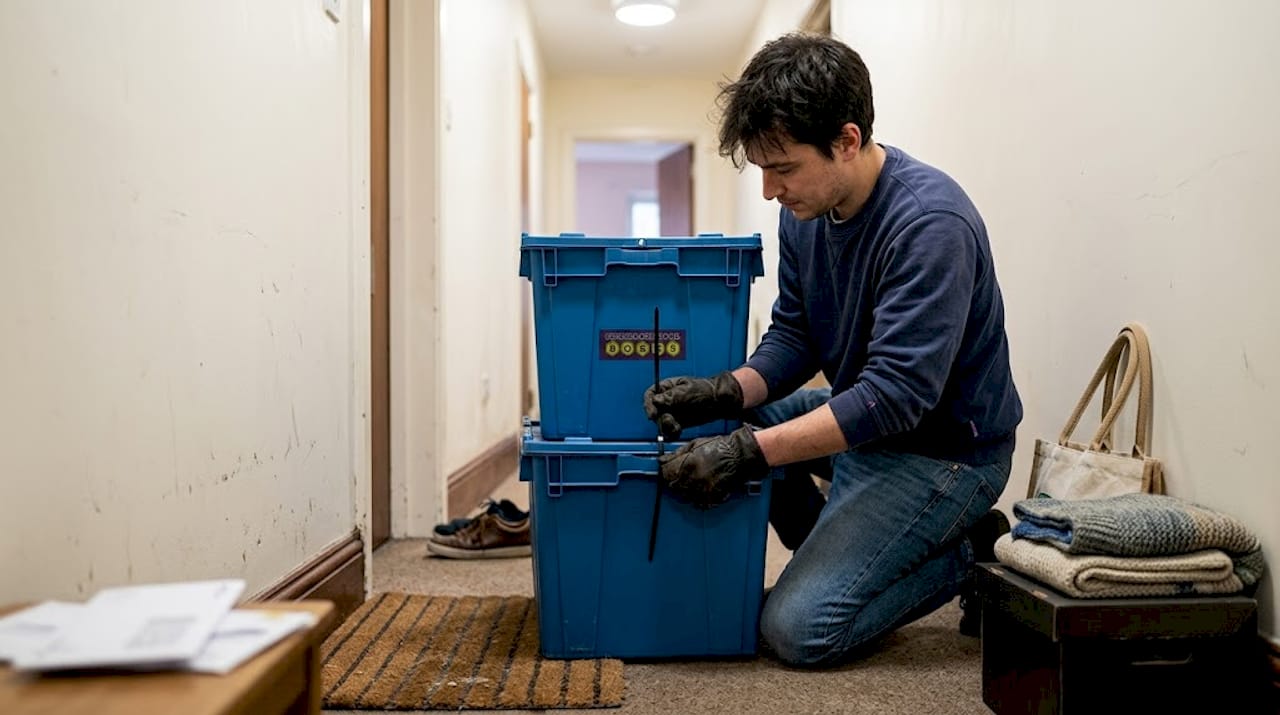
Plastic crates are reusable, waterproof, and stack securely, making them better for fragile or moisture-prone items, and though costlier upfront, they deliver eco and long-term savings. This makes them particularly well suited for electronics, important documents, kitchenware, and anything that cannot afford to get wet during loading or unloading.
| Feature | Cardboard boxes | Plastic crates |
|---|---|---|
| Cost | Low upfront | Higher upfront |
| Durability | 1 to 3 uses | Many years |
| Waterproof | No | Yes |
| Stackability | Moderate | Excellent |
| Eco-friendliness | Recyclable | Reusable |
| Convenience | Buy anywhere | Often hired or purchased |
Key advantages of plastic crates at a glance:
- Fully weatherproof for garages, vans, and storage units
- Rigid walls prevent crushing of contents
- Secure lids keep everything contained without tape
- Ideal for moves involving outdoor exposure or wet weather
For guidance on choosing durable shipping crates, the principles of load rating and stackability apply equally to household moves. Our range of eco-friendly plastic crates is a good place to start if reusability is a priority for you.
Specialist box types for tricky items
Even with the essentials covered, there are moving challenges only a specialist box is designed to tackle. Standard boxes simply cannot protect certain items adequately, and using the wrong container can cause damage that no amount of bubble wrap will prevent.
Specialist boxes include dish packs with double-wall construction for kitchenware, wardrobe boxes with a built-in hanging rail for clothes, adjustable picture and mirror boxes for artwork, and padded TV boxes that hold screens securely.
| Specialist box type | Description | Best used for |
|---|---|---|
| Dish pack box | Heavy-duty double-wall construction | Plates, glasses, ceramics |
| Wardrobe box | Tall with integrated hanging rail | Suits, dresses, coats |
| Picture/mirror box | Adjustable telescoping design | Artwork, mirrors, framed photos |
| TV box | Foam-padded, fitted sizing | Flat-screen TVs, monitors |
Here is why each type earns its place:
- Dish pack boxes absorb shocks from multiple angles, reducing the chance of cracked crockery
- Wardrobe boxes let clothes hang naturally, arriving crease-free and undamaged
- Picture and mirror boxes adjust to fit odd sizes, removing the need for improvised wrapping
- TV boxes provide a snug foam interior that keeps screens from shifting in transit
For guidance on moving fragile items safely, the same principles apply whether you are shipping goods or carrying them up three flights of stairs.
Pro Tip: Wardrobe boxes are worth hiring even for a single move. The time saved refolding and ironing suits and dresses far outweighs the small extra cost.
If you would like to bundle specialist boxes with standard ones, our home moving kits and just moving boxes pages make it easy to build a complete packing solution.
How to match box types to your move
Understanding each option in isolation is useful, but how do you choose the right combination for your move? The answer depends on three factors: how often you move, the value of your contents, and your budget.
Cardboard is more cost-effective for one-off moves, while plastic crates suit frequent movers and storage use thanks to their durability and weatherproofing.
Here are three common scenarios and the best approach for each:
- One-off move, rented flat: A mixed pack of double-wall cardboard boxes in small, medium, and large sizes, plus one or two specialist boxes for fragile items, covers most needs without overspending.
- Regular relocations for work: Invest in a set of plastic crates for electronics and valuables, supplemented by cardboard for bulkier, lower-risk items.
- Family home with high-value contents: Use dish packs for the kitchen, a wardrobe box for each adult’s hanging clothes, a picture box for artwork, a TV box for screens, and double-wall cardboard for everything else.
For guidance on the wider choosing removal services decision, matching your box choices to your overall removal plan keeps costs predictable.
| Scenario | Recommended box types |
|---|---|
| One-off, light contents | Single-wall cardboard, small to medium |
| Mixed household move | Double-wall cardboard, dish packs, wardrobe box |
| Frequent or high-value moves | Plastic crates plus specialist boxes |
Pro Tip: Order slightly more boxes than you think you need. Running out mid-pack is stressful and costly. Unused boxes can be recycled or returned.
Our moving box packs and moving box kits take the guesswork out of quantities by grouping boxes to suit typical UK home sizes.
What most people overlook about moving boxes
By now, you know the practical differences, but what is the real risk of cutting corners or relying on old boxes you found behind a supermarket?
The honest answer is that underinvestment in boxes is one of the most expensive decisions you can make on moving day. A broken heirloom, a shattered TV screen, or a soaked stack of documents cannot be undone. The cost of replacing even one high-value item almost always dwarfs the money saved by using inadequate packaging.
There is also a subtler cost: the stress of watching a removal team handle a box you are not confident in. Good boxes give you peace of mind during what is already a demanding day. People often obsess over the cost per box but ignore the hidden cost of anxiety and last-minute replanning.
Reusable plastic crates address another overlooked issue. Every set of cardboard boxes used once and thrown away represents a small but real environmental cost. Over several moves, long-term box savings from reusable options add up in both financial and environmental terms. Choosing wisely the first time is not just about this move. It is about building a smarter habit for every move that follows.
Get the perfect moving boxes delivered to your door
Now that you have a clear picture of which box types suit your belongings, the next step is simple: get the right ones ordered before moving day sneaks up on you.
At StorageRemovalBoxes.co.uk, you will find a full moving box selection covering standard cardboard, double-wall options, and specialist solutions, all available with UK-wide home delivery. Need extra height for lamps or tall décor? Our extra-large double wall boxes are built precisely for those awkward items. If you prefer a ready-made solution, our complete home moving kits bundle everything you need for a typical UK household move, so you can focus on the move itself rather than second-guessing your packing supplies.
Frequently asked questions
What is the safest type of box for fragile items?
Specialist double-wall boxes or plastic crates offer the highest protection for fragile items, thanks to reinforced sides and, for crates, secure lids that prevent shifting during transit.
How many times can I reuse a cardboard moving box?
Single-wall boxes may last just one or two moves, while double-wall versions hold up for several if kept dry, stored flat, and not overloaded.
What is the ideal weight to pack in a moving box?
The optimal load per box is under 20-23kg to keep lifting manageable and prevent the base from giving way or causing injury.
Are plastic crates worth the extra cost?
For regular movers or those storing items long-term, plastic crates pay off through durability and weather-resistance, despite the higher upfront investment.
Do I need specialist boxes for artwork and TVs?
Yes. Padded and adjustable specialist boxes are strongly recommended for artwork, mirrors, and TVs to prevent costly damage that standard cardboard simply cannot guard against.
Recommended
- Best moving box types for safe, eco-friendly moves
- 6 Essential Types of Storage Solutions for Safe Moving
- Choose the right moving box sizes for a smoother move
- Storage box standards: ensuring safe transit in 2026
- Storage solutions in moving: your 2026 family guide
- How to pack fragile items for a safe move | Aleks Moving