Why choose double walled cardboard boxes for moving

- Double-walled boxes have two corrugated layers offering greater strength and durability than single-wall boxes.
- They are ideal for heavy, fragile, or high-value items, especially during long-distance moves and storage.
- Proper packing, stacking, and moisture protection are essential to maximize their performance and protect belongings.
Most people assume all cardboard boxes are roughly the same. They grab whatever is available, pack their belongings, and hope for the best. That assumption can be costly. The type of box you choose directly affects whether your possessions arrive safely or end up crushed, damp, or damaged. Double-walled cardboard boxes are engineered specifically to handle the pressures of moving and long-term storage, offering far greater strength than standard single-wall alternatives. This guide explains exactly how they work, when to use them, and how to get the most from them whether you are moving house, filling a storage unit, or shipping heavy goods.
Key Takeaways
| Point | Details |
|---|---|
| Superior protection | Double-walled cardboard boxes offer notably better strength and safety for your items than single-wall options. |
| Loads and conditions | Choose box size and type by load, keep boxes dry, and they’ll maintain strength during removals or storage. |
| Test-backed durability | Strength metrics like ECT and Burst ratings show these boxes can handle up to 120lbs in ideal conditions. |
| Right box, right method | Combine the right box with smart packing and storing for maximum results. |
What makes double walled cardboard boxes different
At first glance, a double-walled box looks much like any other. The real difference is inside the walls. Standard single-wall boxes use one layer of corrugated fluting sandwiched between two flat sheets of cardboard, called linerboard. Double-walled boxes add a second corrugated layer and a third linerboard sheet in between. This extra layer is not just padding. It fundamentally changes how the box performs under load, impact, and repeated handling.
That additional wall creates a much stiffer structure. The box resists compression from the top, punctures from sharp corners, and crushing when other boxes are stacked on top. For anyone moving heavy books, kitchen appliances, or fragile ceramics, that difference is significant.
Box strength is measured in a few standardised ways. The Edge Crush Test (ECT) measures how well a box resists stacking pressure along its vertical edges. The Burst Test (Mullen) measures puncture resistance through the wall. The Box Compression Test (BCT) validates overall compression strength once the box is assembled and packed. Double-wall boxes typically achieve 42 to 51 ECT for stacking, burst strength between 200 and 350 pounds, and a carrying capacity of 80 to 120lbs, making them the go-to choice for serious removal and storage tasks.
Key structural advantages of double wall moving boxes include:
- Two corrugated layers for superior rigidity
- Higher ECT rating means safer stacking in vehicles and storage units
- Greater burst strength protects against sharp, heavy contents
- Suitable for heavier loads without risk of base failure
- Better performance when boxes are repeatedly handled or shifted
When to use double walled cardboard boxes
Double-walled boxes are not always necessary. For light items or short, simple moves, a single-wall box might suffice. But there are clear situations where upgrading to double-wall is the sensible choice, not a luxury.
Heavy items such as books, tools, kitchen equipment, and small appliances should always go into double-walled boxes. The same applies to valuable or fragile items including glassware, artwork, and electronics. If your move involves stacking boxes in a removal van or self-storage unit, the boxes at the bottom need to bear considerable weight. Single-wall boxes often buckle under that load, whilst double-walled boxes hold their shape reliably.
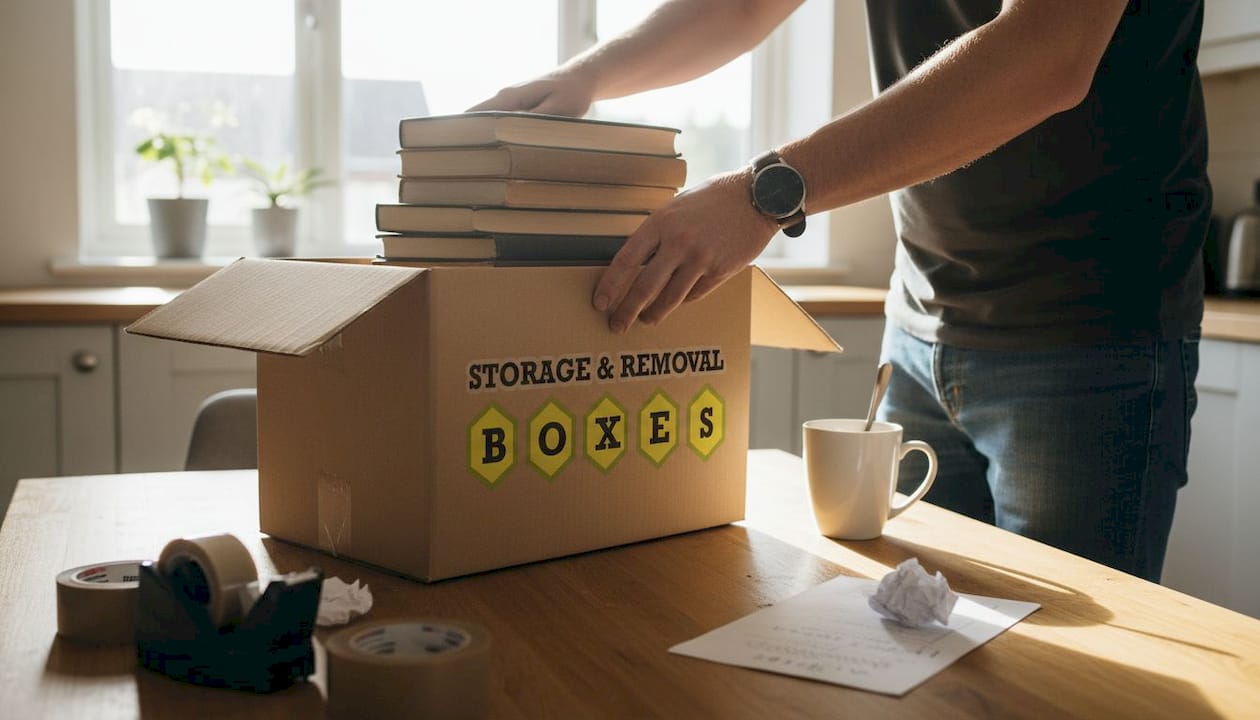
For long-distance moves, boxes face more vibration and repetitive handling than a short local trip. Moisture reduces cardboard strength by up to 75% after just 30 minutes of rain exposure, and repeated shocks cause fatigue in weaker walls. Double-walled boxes perform much better under both conditions, especially when dry storage cannot be guaranteed throughout the journey.
Here is a comparison of scenarios and which box type suits them best:
| Scenario | Single-wall suitable? | Double-wall recommended? |
|---|---|---|
| Light clothing or linens | Yes | Optional |
| Books or heavy kitchenware | No | Yes |
| Long-distance removal | No | Yes |
| Self-storage stacking | No | Yes |
| Fragile or valuable items | No | Yes |
| Short local move, light goods | Yes | Optional |
Choosing the right size matters too. A small double walled postal storage box works well for dense, heavy items like books or collectables, where a compact box prevents overpacking. For furniture accessories, bedding bundles, or bulky goods, a large double wall removal box gives you the volume you need without sacrificing structural integrity.
A numbered checklist for deciding when to reach for double-wall:
- Is the item heavier than 15kg? Use double-wall.
- Will boxes be stacked more than two high? Use double-wall.
- Is the move longer than one hour of travel? Use double-wall.
- Are contents fragile or high-value? Use double-wall.
- Is there any risk of damp conditions during transit or storage? Use double-wall and line with a poly bag.
Pro Tip: Always seal the base of double-walled boxes with at least two strips of strong packing tape, and line the interior with a poly bag if there is any chance of moisture exposure during the move.
Benefits of double walled cardboard boxes for removal and storage
Knowing when to use a double-walled box is essential, and here is how those choices directly benefit you during a move or in long-term storage.
The most immediate advantage is stacking strength. In a loaded removal van, boxes are often stacked four or five high. A weak base box collapses, damages the contents, and potentially topples the entire stack. Double-walled boxes at the base of those stacks bear the load without deforming. The same principle applies when you are organising a self-storage unit and need to maximise vertical space safely.
Puncture resistance is equally valuable. Removal vans are packed tightly, and sharp corners from furniture, tools, or other boxes press against your packed goods throughout the journey. The extra wall layer absorbs those impacts rather than letting them pierce through to your belongings.
For long-term storage, durability over time matters. A medium double walled packing box kept in a dry storage unit will maintain its structural shape for months, protecting contents consistently. Long-term stability is confirmed when boxes are kept dry, making moisture control the single most important factor alongside box quality.
Key benefits at a glance:
- Stacking capacity of up to 120lbs for top-grade double-wall boxes
- Reliable shape retention over months of storage
- Superior impact resistance during transit
- Better protection for fragile and high-value items
- Compatible with cubed double walled storage boxes for uniform stacking in storage units
Pro Tip: Place your strongest double-walled boxes at the base of any stack. Even a single weak box at the bottom can compromise the stability of everything above it.
How to choose and use double walled cardboard boxes effectively
Now that you understand the benefits, here is how to make the most of them in practice.
Start by identifying your load requirements before purchasing. Check the ECT and weight rating on any box you consider. As confirmed by corrugated board testing, a double-wall box rated at 42 to 51 ECT with a burst strength of 200 to 350 pounds handles up to 80 to 120lbs safely. Match the box to your heaviest intended contents, not your average item.
Box dimensions matter as much as strength. A large box packed with heavy items becomes unmanageable and risks splitting at the base. Use smaller double-walled boxes for dense, heavy goods and larger boxes for light but bulky items. An A4 size double walled box is ideal for files, books, and small electronics, giving you a manageable weight whilst maintaining full structural protection.
Here is a step-by-step checklist for selecting and packing correctly:
- Identify your heaviest and most fragile items first.
- Match box size to contents. Heavy items need smaller boxes to stay manageable.
- Check ECT and burst rating before purchasing.
- Line the base with crumpled paper or foam for cushioning.
- Place heaviest items at the bottom, lighter items on top.
- Fill all voids with packing material to prevent shifting.
- Seal the top and base with at least two strips of quality packing tape.
- Label each box clearly with contents and handling instructions.
Essential packing and stacking tips:
- Never overfill. A bulging box loses its stacking strength.
- Keep boxes in a dry area before, during, and after the move.
- Do not stack unequal sizes. Larger boxes at the base, smaller on top.
- Use uniform box sizes where possible for stable, grid-like stacking.
- Rotate stock in storage periodically to inspect for moisture or damage.
Our take: what most people get wrong about box strength
After years of supplying removal boxes across the UK, we have seen a consistent pattern. When boxes fail during a move, the instinct is to blame the box. In most cases, the box was used incorrectly.
A strong medium double wall box will still fail if it is overloaded beyond its rated capacity, stored in a damp garage, or used as the top box in a stack when it should be at the base. The engineering behind double-walled cardboard is impressive, but it operates within defined conditions.
The uncomfortable truth is that box performance depends at least as much on how you use it as what it is made from. Packing too heavily, leaving voids inside the box, stacking larger boxes on top of smaller ones, and ignoring moisture are all mistakes that undermine even the best double-walled box. Choosing the right box is step one. Packing it correctly, storing it in the right conditions, and stacking sensibly are equally important steps that most guides skip over. We think that is a disservice to anyone serious about protecting their belongings.
Find the perfect double walled boxes and packing materials
Ready to put this advice into action? Everything covered in this guide is available in one place.
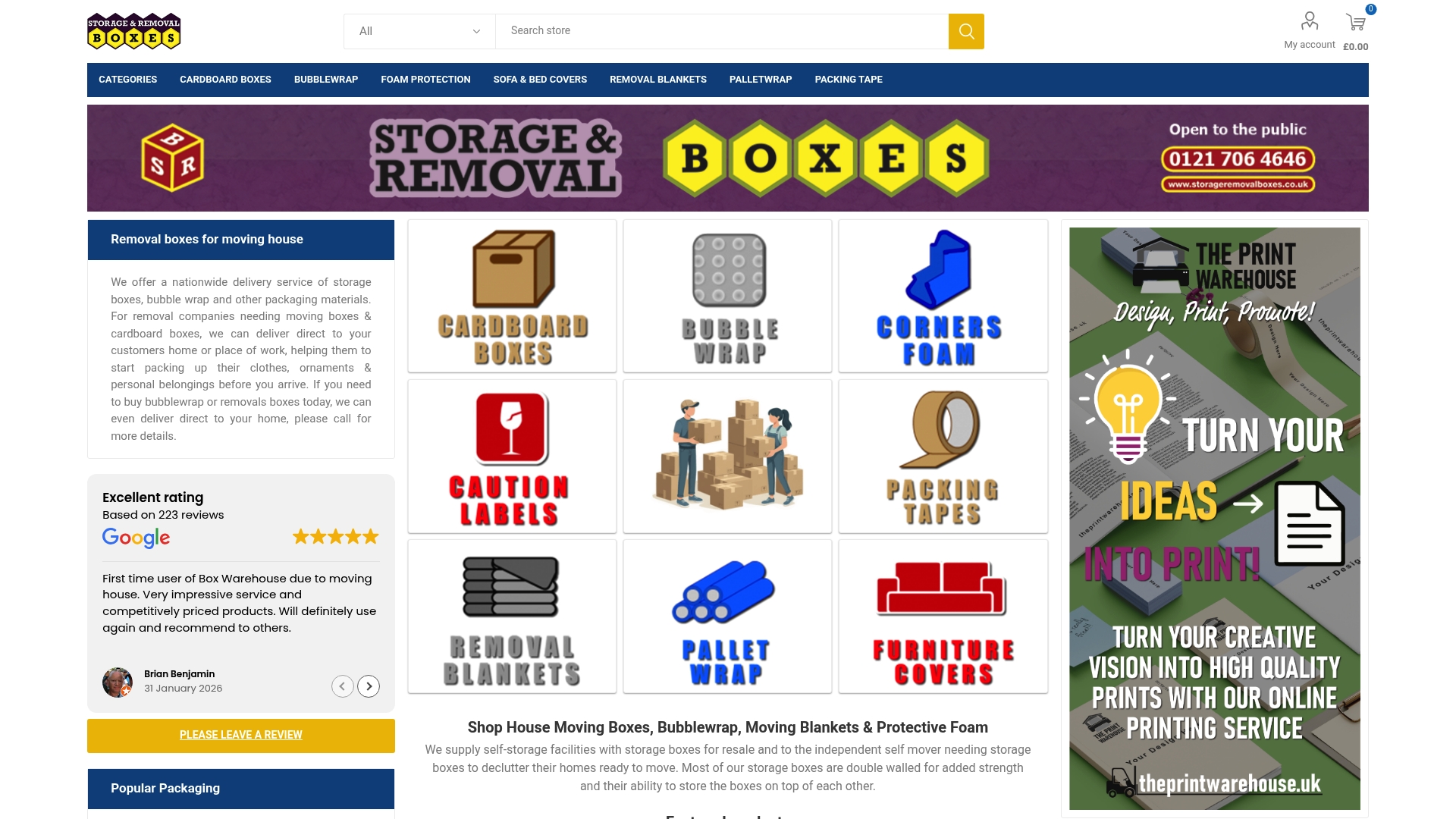
At StorageRemovalBoxes.co.uk, you will find large double wall moving boxes for bulky items alongside a full range of all box sizes to match every item in your home or office. Pair your boxes with packing materials for organised moves, including bubble wrap, foam protectors, and strong packing tape, to give your belongings complete protection from pack to unpack. Whether you are moving a studio flat or a five-bedroom home, we have the box and the materials to match.
Frequently asked questions
How much weight can a double walled cardboard box hold?
Top-grade double-walled boxes can typically hold between 80 and 120 pounds, depending on their ECT and Burst ratings. Always check the box specification before packing heavy items.
Can double walled boxes get wet?
If exposed to rain, double-walled boxes can lose up to 75% of their stacking strength in just 30 minutes, so keeping them dry is essential for full protection.
Are double walled boxes recyclable and eco-friendly?
Yes, double-walled cardboard boxes are widely recyclable and are often manufactured using a high percentage of recycled fibres, making them a responsible choice for environmentally conscious movers.
What’s the difference between single and double walled cardboard boxes?
Double-walled boxes contain two corrugated layers separated by an additional linerboard sheet, delivering far greater stacking strength, puncture resistance, and load capacity than single-walled alternatives.
Do I need special tape or materials for double walled boxes?
Use a high-quality packing tape applied in multiple strips across the base and top seams, and consider a plastic liner inside the box if there is any risk of moisture during transit or storage.
Recommended