Examples of removal kits for efficient home moving

TL;DR:
- A removal kit is a collection of tools and materials designed to pack, protect, and transport belongings safely during a move. Different types include packing, furniture protection, fragile item, and specialty kits, each addressing specific needs to minimize damage and improve organization. Choosing the appropriate kit depends on the items’ fragility, size, and disassembly requirements, with pre-packed options streamlining the moving process.
A removal kit is a purpose-assembled collection of tools and materials designed to pack, protect, and transport household belongings safely during a move. The term “removal kit” is widely used in the UK moving industry, though you may also see these referred to as packing kits or moving kits depending on their contents. The best examples of removal kits group together everything you need for a specific task, whether that is wrapping fragile glassware, disassembling a wardrobe, or protecting furniture corners in transit. Storageremovalboxes stocks a full range of these kits, from basic box sets to pre-assembled moving kits tailored to different household sizes. Choosing the right kit before moving day saves time, reduces damage, and keeps the whole process organised.
1. What are the main types of removal kits?
The four core categories of removal kit cover packing, furniture protection, fragile items, and specialist tasks. Each type addresses a different stage of the moving process, and most households need at least two or three of them working together.
Packing kits are the most common starting point. They bundle packing supplies such as double-walled cardboard boxes, bubble wrap, packing tape, and marker pens into a single purchase. The convenience factor is real: you avoid the frustration of realising mid-pack that you have run out of tape or have no pen to label boxes.
Furniture removal kits contain tools for safe disassembly and protection. Screwdrivers, wedge tools, foam corner guards, and moving blankets are the standard contents. These kits prevent scratched surfaces and broken fixings when moving sofas, wardrobes, and bed frames.
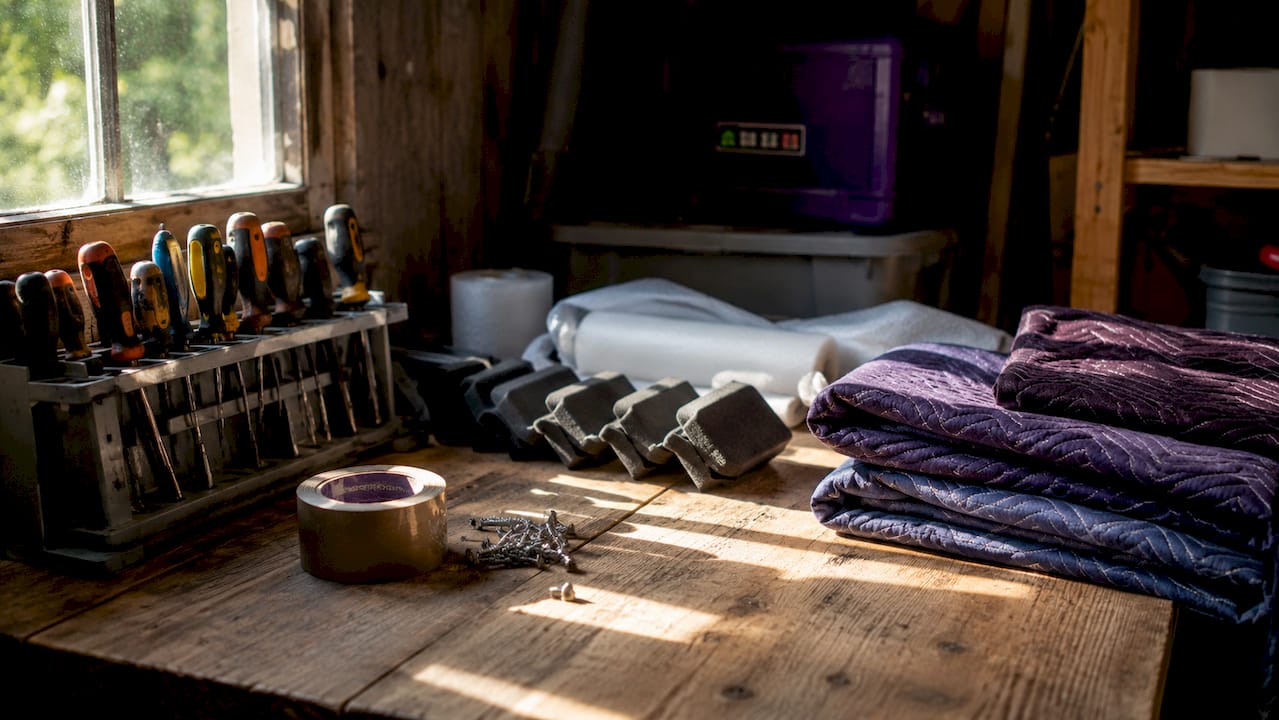
Protective kits focus entirely on cushioning. They typically include foam padding sheets, bubble wrap rolls, and moving blankets to wrap items before they go into boxes or onto a van. Foam furniture protection and edge guards are the standout components here.
Specialist kits address specific scenarios. These include kits for fragile items like crockery and mirrors, kits for electronics, and kits for artwork. Each one contains materials matched to the fragility and shape of the items being moved.
Pro Tip: Buy one size up from what you think you need. Most people underestimate the number of boxes required, and running short on moving day is far more disruptive than having a few spares.
2. Packing kits: the removal kit essentials
A packing kit is the foundation of any home move. Removal kits for moving typically include boxes in small, medium, and large sizes, rolls of bubble wrap, packing tape with a dispenser, and a marker pen for labelling. The logic is straightforward: grouping these items together means you start packing immediately rather than sourcing materials from multiple suppliers.
Double-walled boxes are the standard for house removals. They resist crushing under stacked weight, which matters when you are loading a van floor to ceiling. A marker pen for labelling each box by room and contents is a small addition that pays off enormously when you are unpacking at the other end.
Pre-packed removal kits, sometimes called house moving kits, are assembled for specific household sizes. A one-bedroom kit typically contains 15–20 boxes and basic wrapping materials. A four-bedroom kit scales up to 60 or more boxes with proportionally more protective materials. Buying a pre-packed kit removes the guesswork from calculating quantities.
3. Furniture removal kits: tools for safe disassembly
Furniture removal kits are built around two tasks: taking furniture apart and protecting it during transit. The contents reflect this dual purpose. You will typically find screwdrivers, Allen keys, wedge tools, and foam corner guards alongside moving blankets and stretch wrap.
Foam edge and corner guards are the most underrated component in any furniture kit. They clip onto the corners of tables, wardrobes, and shelving units, absorbing impact during loading and unloading. Without them, a single knock against a door frame can chip a painted surface or crack a veneer.
Moving blankets serve a different function. They wrap entire pieces of furniture, protecting flat surfaces from scratches caused by contact with other items in the van. A standard blanket measuring 1.5 x 2 metres covers most dining chairs and small tables. Oversized blankets at 2 x 2.5 metres are better suited to sofas and large wardrobes.
Pro Tip: Wrap furniture blankets around items before loading them into the van, not after. Trying to manoeuvre a blanket around a wardrobe already wedged against the van wall wastes time and rarely works well.
4. Protective kits for fragile and delicate items
Protective kits exist because standard packing boxes are not enough for fragile belongings. Glassware, ceramics, mirrors, and framed artwork all need individual wrapping before they go into a box. A protective kit provides the materials to do this properly.
Bubble wrap is the core material. Rolls of bubble wrap in 500mm or 600mm widths cover most household items efficiently. Wider rolls are better for plates and picture frames; narrower rolls suit glasses and ornaments. Foam padding sheets add a secondary layer of protection inside boxes, preventing items from shifting during transit.
The combination of bubble wrap, foam padding, and a well-sealed double-walled box reduces breakage significantly. Investing in quality protective materials like foam corner guards and moving blankets significantly decreases damage risk to fragile or bulky items. This is not a place to cut costs.
5. Specialist removal kits: beyond the standard move
Specialised removal kits are designed to address specific scenarios that general household tools cannot handle safely or efficiently. The range of specialist kits available illustrates just how broadly the concept of a “removal kit” applies across different fields.
Here are four notable examples:
Tick removal kits. A tick removal kit includes fine-tipped tweezers, specialised tick-removal devices, antiseptic wipes, and a storage container. The key design feature is that the tools grasp the tick close to the skin without squeezing its body, which prevents pathogen transmission. Standard household tweezers compress the body and increase infection risk. These kits are compact, inexpensive, and relevant for families with pets or gardens.
Implant removal kits. Used in clinical dentistry, these kits follow a structured protocol using fixture remover screws of varying sizes to apply reverse torque. They accommodate implants from 3mm to 8mm in diameter. Exceeding the recommended torque limit of 200 Ncm risks component failure, which illustrates why precision-engineered kits matter in high-stakes removal tasks.
Automotive trim removal kits. Professional trim kits include non-scratch wedge tools, clip pliers, seal hooks, and radio pullers made from impact-resistant materials. Sets range from basic 5-piece collections to comprehensive 200-piece kits. They protect vehicle interiors during removal work, which is relevant if you are stripping a car interior as part of a larger move or restoration project.
Foreign body removal kits. Used by eye care professionals, these kits contain ophthalmic instruments including the Algerbrush II and speculums for removing corneal foreign bodies and rust rings. They are reusable after sterilisation and designed for precision clinical work.
The common thread across all specialist removal kits is precision. Each kit replaces improvised tools with purpose-built instruments that reduce the risk of damage, whether to a cornea, a car door panel, or a piece of furniture.
6. How to choose the right removal kit for your move
Choosing the right kit starts with a clear inventory of what you are moving. Walk through each room and note which items are fragile, which are heavy, and which need disassembly. This list drives every decision about which kits to buy.
Consider these factors:
- Fragility. Glassware, ceramics, and mirrors need bubble wrap and foam padding. A basic packing kit without protective materials is not sufficient for these items.
- Size and weight. Large, heavy items like wardrobes and sofas need furniture kits with moving blankets and corner guards. Small boxes of books need strong double-walled boxes but minimal wrapping.
- Disassembly requirements. If furniture must come apart to fit through doors, a furniture removal kit with the right tools prevents stripped screws and damaged fixings.
- Budget. Pre-assembled kits cost more upfront than buying individual items, but they save time and reduce the risk of missing something critical. For most families, the convenience is worth it.
- Volume. Match the kit size to your household. A studio flat needs far fewer boxes than a four-bedroom house. Storageremovalboxes offers home moving kits sized for different property types.
Pro Tip: Order your removal kit at least two weeks before moving day. Packing always takes longer than expected, and having materials ready early means you can start with non-essential rooms first.
7. Comparison of common removal kit types
| Kit type | Contents | Best for | Advantages | Downsides |
|---|---|---|---|---|
| Packing kit | Boxes, bubble wrap, tape, marker pen | General household packing | All-in-one convenience, saves sourcing time | May include more boxes than needed for small moves |
| Furniture removal kit | Blankets, corner guards, screwdrivers, wedge tools | Sofas, wardrobes, bed frames | Protects surfaces and fixings during transit | Requires physical effort to disassemble correctly |
| Protective kit | Foam padding, bubble wrap rolls, moving blankets | Fragile items, artwork, mirrors | Reduces breakage significantly | Adds bulk and weight to packed boxes |
| Specialist kit | Precision tools matched to specific task | Automotive, medical, or niche removal tasks | Purpose-built for safety and accuracy | Not needed for standard home moves |
| Pre-packed removal kit | Full bundle sized to household | Families moving a full property | Removes guesswork on quantities | Higher upfront cost than buying items separately |
Key takeaways
The right removal kit is determined by what you are moving, not by what is cheapest or most convenient to grab at short notice.
| Point | Details |
|---|---|
| Match kit to task | Packing kits suit general moves; furniture and protective kits address specific damage risks. |
| Pre-packed kits save time | Pre-assembled kits sized to your household remove quantity guesswork before moving day. |
| Specialist kits serve niche needs | Tick, automotive, and medical removal kits show how purpose-built tools outperform improvised ones. |
| Protective materials matter | Foam corner guards, bubble wrap, and moving blankets reduce damage to fragile and bulky items. |
| Plan and order early | Ordering kits two weeks ahead gives time to pack non-essential rooms first and avoid last-minute shortages. |
What I have learned from watching people move without the right kit
People consistently underestimate protective materials and overestimate how much a standard cardboard box can handle. I have seen double-walled boxes perform brilliantly when packed correctly and single-walled boxes collapse under the weight of books stacked three layers high. The box is only as good as the kit around it.
The most common mistake I see is treating a removal kit as optional. People buy boxes and tape, then improvise everything else with old towels and newspaper. Newspaper leaves ink on crockery. Old towels compress under weight and offer far less cushioning than proper bubble wrap. These are not equivalent substitutes.
The second mistake is ignoring furniture protection entirely. A scratch on a dining table or a chipped wardrobe door is not the end of the world, but it is entirely avoidable with a foam corner guard that costs a few pounds. Using high-quality, maintained tools in removal kits reduces failure risks and produces safer, more effective results. That principle applies whether you are removing a dental implant or moving a chest of drawers.
My honest recommendation: buy a pre-packed kit sized to your property, add a furniture blanket set, and pick up extra bubble wrap for anything genuinely fragile. That combination covers 95% of what a standard family move requires. You will spend less time worrying and more time actually getting things done.
— Adrian
Pack smarter with Storage Removal Boxes
Storageremovalboxes supplies everything you need for a well-organised move, from double-walled removal boxes built to handle heavy loads to pre-assembled kits sized for one-bedroom flats through to large family homes. Every product is made from recyclable materials and built for the demands of a real house move.
Browse the full range of moving kits and box sets to find the right combination for your property size. If you need protective materials, the foam and bubble wrap range covers everything from corner guards to wide-roll bubble wrap. Nationwide delivery means your kit arrives before you need it. Visit Storageremovalboxes to get your move sorted without the last-minute scramble.
FAQ
What is a removal kit?
A removal kit is a pre-assembled or purpose-selected collection of packing materials and tools designed to help you pack, protect, and transport belongings during a house move. Common contents include boxes, bubble wrap, packing tape, foam padding, and marker pens.
What is a pre-packed removal kit?
A pre-packed removal kit is a bundled set of moving supplies assembled in quantities suited to a specific household size, such as a one-bedroom flat or a four-bedroom house. It removes the need to calculate how many boxes and how much wrapping material you require.
What are the main removal kit essentials?
The core removal kit essentials are double-walled cardboard boxes, bubble wrap, packing tape, foam corner guards, moving blankets, and a marker pen for labelling. Furniture moves also require screwdrivers, Allen keys and wedge tools for safe disassembly.
Why use pre-packed removal kits instead of buying items separately?
Pre-packed kits save time, reduce the risk of missing critical supplies, and are often more cost-effective than sourcing individual items. They are particularly useful for families who need large quantities of materials and want everything delivered in one order.
Are there specialist removal kits beyond home moving?
Yes. Specialist removal kits exist for tick removal, automotive trim work, clinical implant procedures, and ophthalmic foreign body extraction. Each kit contains precision tools matched to its specific task, replacing improvised alternatives that carry higher risks of damage or injury.