Furniture storage preparation tips: protect your pieces long-term
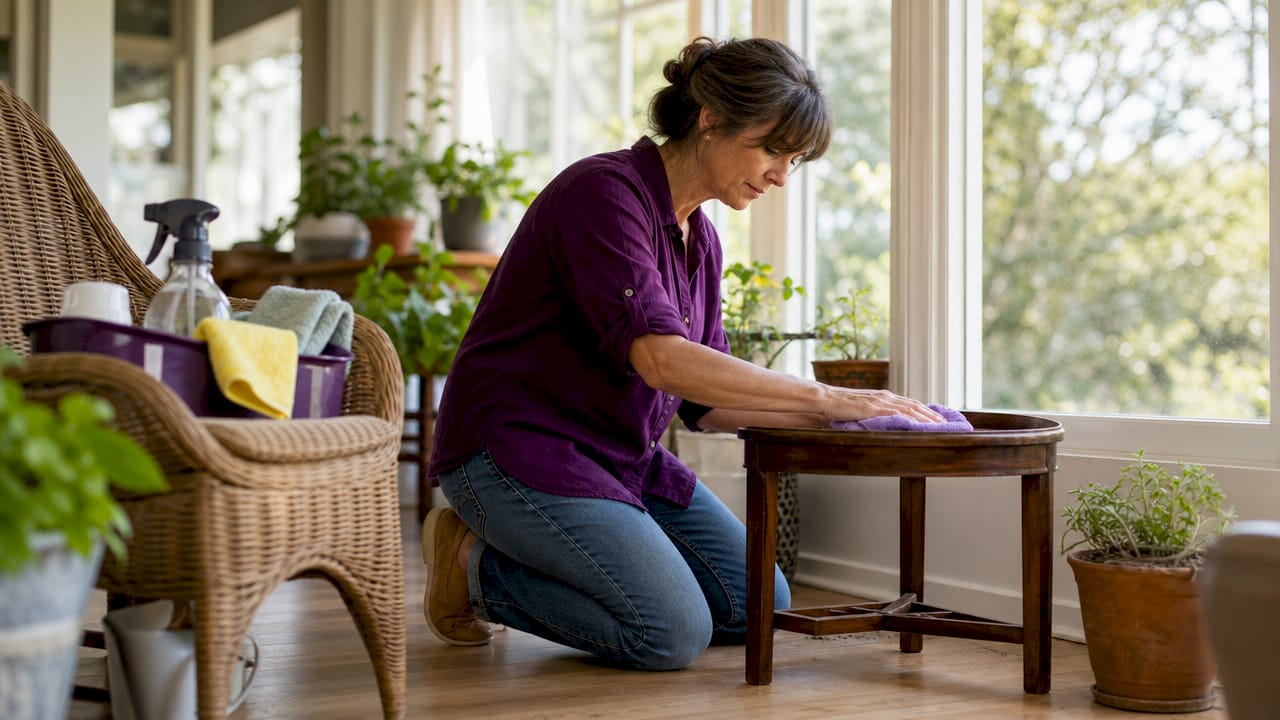
Getting furniture storage right comes down to four things: thorough cleaning, careful wrapping with breathable materials, smart disassembly, and organised placement inside the unit. Skip any one of them and you risk mould, warping, pest damage, or scratched surfaces that no storage facility can fix after the fact. Proper preparation is the most critical element in preventing damage during storage — no facility can compensate for inadequate cleaning or improper wrapping.
Here is what to do before a single piece leaves your home:
- Clean every surface thoroughly and dry completely before wrapping or boxing anything
- Disassemble large or complex pieces to save space and reduce stress on joints
- Use breathable cotton sheets or quilted blankets, never plastic sheeting for long-term storage
- Label all hardware in sealed bags and mark each wrapped item with its contents, room, and date
- Condition wood, leather, and upholstered surfaces before they go into storage
- Raise all furniture off the floor on pallets or timber runners to allow airflow beneath
- Choose a climate-stable unit that keeps temperature and humidity within a consistent range
- Schedule quarterly checks for moisture, pests, and any signs of developing damage
Table of Contents
- How to clean and prepare furniture before storage
- Disassembling, wrapping, and labelling your furniture
- What each furniture material needs before going into storage
- How to transport furniture safely and organise your storage unit
- Get the right packing materials from Storageremovalboxes
- Key takeaways
How to clean and prepare furniture before storage
Cleaning is not just about tidiness. Dirt, grease, and residual moisture left on surfaces create the conditions for mould, staining, and pest attraction during long-term storage. Getting this right by material type makes a real difference.
- Wood: Dust thoroughly, then apply an appropriate furniture polish or wax to create a protective barrier. Avoid water-based sprays — wood absorbs moisture readily, and any dampness sealed under wrapping will cause swelling or finish damage. Use non-water-based products wherever possible.
- Upholstery: Vacuum all surfaces, including underneath cushions and along seams. Spot-clean any stains and allow the fabric to dry completely before wrapping. Upholstered furniture must be fully dried and covered with breathable materials to avoid mould and irreversible damage.
- Leather: Wipe down with a damp cloth, then apply a leather conditioner. Leather needs conditioning before storage to maintain suppleness and prevent cracking — a step many people skip and later regret.
- Metal parts: Wipe dry and apply a light coat of oil to joints and exposed metal surfaces where corrosion risk exists. Airtight wrapping on metal accelerates rust rather than preventing it.
- Mattresses: Vacuum and air a mattress thoroughly before storage. Use a breathable storage bag rather than a sealed plastic cover, and store flat to avoid compression damage.
Pro Tip: Never use plastic wrap for long-term storage. It traps condensation against surfaces, which causes mould on fabric and finish damage on wood. Cotton sheets and quilted blankets are the right choice.
Disassembling, wrapping, and labelling your furniture
Disassembly is worth the effort for most large pieces. Flat-packed components are easier to wrap, take up less floor space in the unit, and put far less stress on joints during transport. Beds, dining tables, shelving units, and wardrobes all benefit from being broken down where the design allows.
- Remove legs, shelves, and doors where possible, and store all fixings in clearly labelled, sealed bags taped to the relevant piece
- Wrap flat panels and tabletops in quilted moving blankets for padding and breathability
- Use foam corner protectors on sharp edges and glass-fronted cabinets to prevent chips during transport and in storage
- Wrap mirrors and glass panels in bubble wrap, then slide into cardboard sleeves; store upright rather than flat to reduce breakage risk
- Cover each wrapped item in a breathable cotton sheet as the outer layer, never plastic
- Write the contents, room of origin, and storage date on a label fixed to the outside of each piece
Pro Tip: If you are storing wooden furniture with drawers, leave them slightly open rather than fully closed. A small gap allows air to circulate inside the carcass and prevents the musty smell and moisture build-up that sealed compartments encourage.
Keeping a written inventory as you go saves real time later. Note each item, its condition on arrival, and where it sits in the unit. A simple photograph of each piece before wrapping gives you a condition record that matters if you ever need to make an insurance claim. Insurance policies typically exclude gradual damage from damp and pests, so documentation of pre-storage condition is your protection.

What each furniture material needs before going into storage
Different materials fail in different ways when storage conditions are not right. Treating every piece the same is where most people go wrong.
- Wood: Condition before storage, raise off the floor, and keep in a climate-stable environment. Wood expands and contracts with humidity swings, which causes warping and veneer lifting over time. Climate-stable units maintain temperature and relative humidity within narrow bands, which is especially important for antiques and fine furniture.
- Upholstery: Fabric absorbs ambient moisture quickly. Clean meticulously, dry completely, and use breathable covers only. Raise upholstered pieces off the floor on pallets or runners to prevent moisture wicking from below.
- Leather: Clean and condition before storage, wrap in breathable material, and re-condition periodically if the storage period extends beyond a few months. Leather left untreated in storage dries out and cracks.
- Metal: Dry thoroughly and apply a light oil to joints and fixings. Avoid sealed airtight wrapping, which traps any residual moisture against the surface and accelerates corrosion.
- Mattresses: Vacuum, air, and use a breathable storage bag. Store flat where space allows. Folding a mattress causes permanent compression damage to the internal structure.
Storage note: Mould growth can appear on upholstery within weeks when trapped moisture is present. A piece that looks clean when it goes in can come out with deep-set mould if it was not fully dried or was wrapped in non-breathable material.
A well-organised storage unit with breathable packing, off-floor placement, and room for airflow mitigates risks far more than climate control alone. Climate control is a useful complement, not a substitute for preparation.
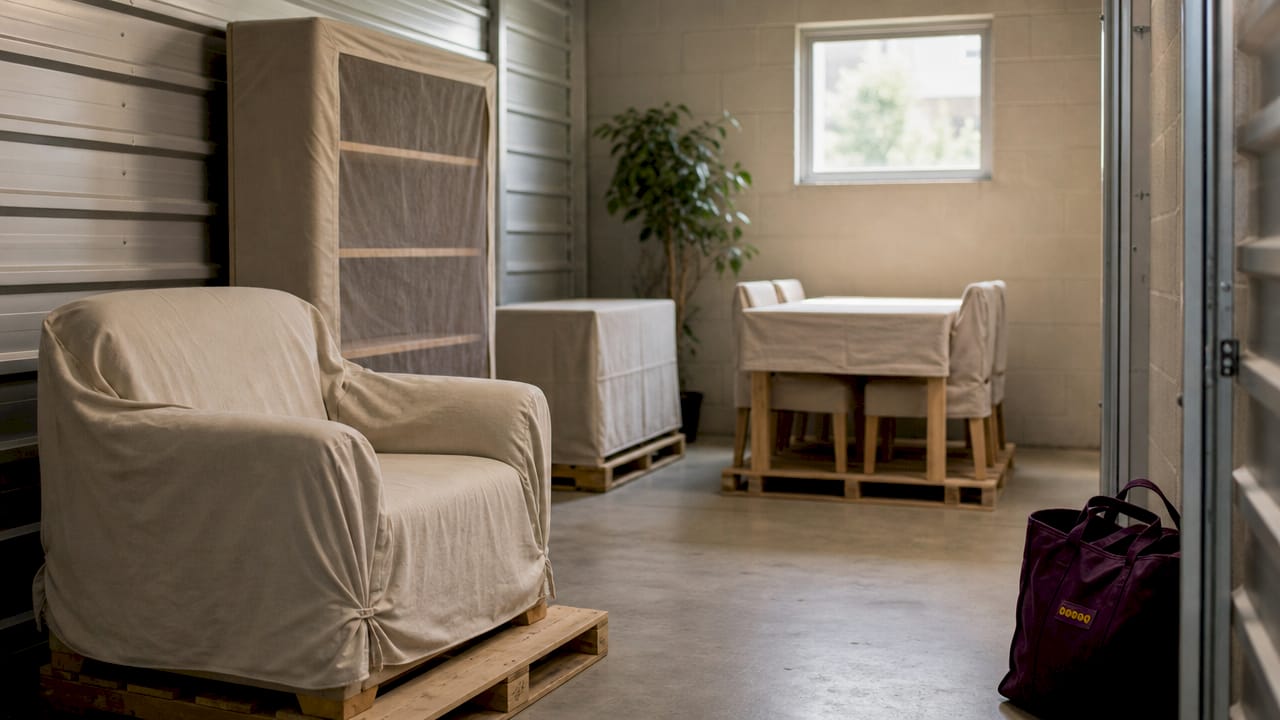
How to transport furniture safely and organise your storage unit
The journey to the unit is where scratches and knocks happen. Wrap all pieces before they leave the house, not at the unit. Use furniture wrapping techniques that keep padding in place during loading and unloading, and avoid stacking unwrapped items directly against each other in the van.
Plastic wrap is acceptable during transit to hold blankets in place, but remove it before placing items in long-term storage. Leaving plastic on is the most common mistake, and it causes condensation damage that develops slowly and is often not noticed until a piece is retrieved months later.
Once inside the unit, layout matters:
- Place furniture on pallets or timber runners to keep it off the floor, improving airflow and reducing moisture contact
- Put heavy items towards the back and fragile pieces near the front for safe access
- Leave a clear aisle down the centre of the unit so you can reach items without moving everything
- Store tall pieces such as wardrobes and bed frames upright with support to prevent toppling
- Keep an updated inventory near the entrance of the unit, or photograph the layout on your phone
For outdoor furniture going into a shed or covered storage, the same principles apply. Keter’s guidance on outdoor furniture storage reinforces cleaning and covering before seasonal storage as the baseline for preservation.
Long-term storage over one year calls for quarterly inspections. Check for moisture, reapply conditioners to wood and leather, and look for any signs of pest activity. Catching a problem early costs far less than replacing a piece.
Get the right packing materials from Storageremovalboxes

Every step in this guide depends on having the right materials to hand before you start. Storageremovalboxes supplies everything you need for preparing furniture for storage, from double-wall removal boxes built for heavy or bulky items, to bubble wrap rolls for glass and fragile components, foam corner guards, quilted moving blankets, and box marker pens for clear labelling. Nationwide delivery means your materials arrive before moving day, not after.
Key takeaways
Thorough cleaning, breathable wrapping, and off-floor placement are the three non-negotiable steps for protecting furniture during long-term storage.
| Point | Details |
|---|---|
| Clean before you wrap | Dirt, grease, and moisture left on surfaces cause mould and staining during storage. |
| Use breathable materials | Cotton sheets and quilted blankets prevent condensation; plastic wrap traps it. |
| Raise furniture off the floor | Pallets or timber runners improve airflow and reduce moisture contact from below. |
| Match care to the material | Wood, leather, upholstery, and metal each need specific treatment before storage. |
| Inspect regularly | Quarterly checks let you catch moisture or pest problems before they cause serious damage. |