House removal tips 2026: smart packing and moving advice
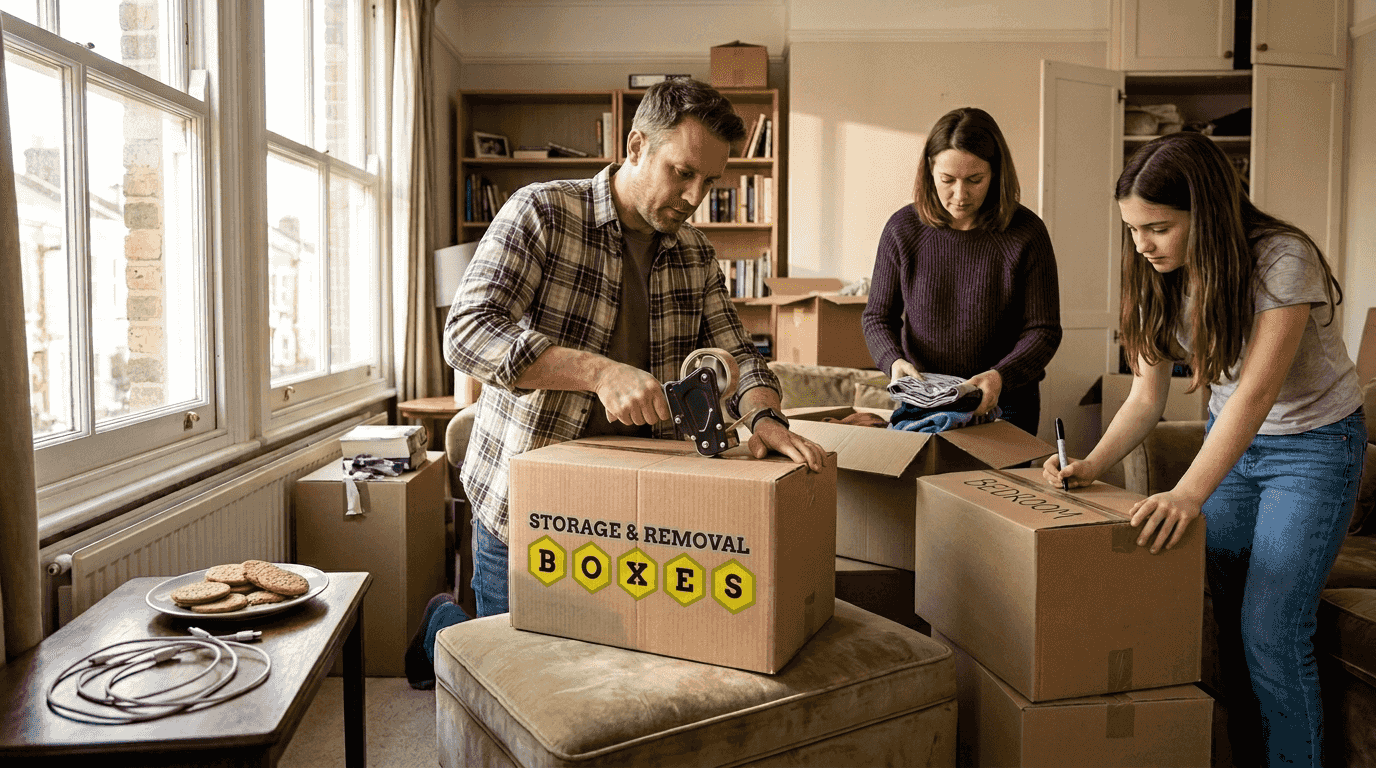
Moving house ranks amongst the most stressful life events, yet 65% of UK adults admit mistakes during their last move, often due to poor planning. Whether you’re relocating across town or to another region in 2026, effective packing strategies and careful preparation make the difference between chaos and calm. This guide provides practical, expert-backed advice to help UK homeowners and renters organise a smooth, efficient house removal whilst avoiding common pitfalls and unnecessary costs.
Table of Contents
- Establishing Your Moving Criteria For A Smooth House Removal
- Smart Packing Strategies: From Essentials To Fragile Items
- Comparing Removal Service Options And Costs In 2026
- Best Practices For A Stress-Free Move Day And Settling In
- Find The Best Packing Materials And Removal Boxes For Your Move
Key takeaways
| Point | Details |
|---|---|
| Start early | Begin packing non-essential items weeks before moving day to reduce last-minute stress and errors. |
| Get multiple quotes | Compare at least three quotes from BAR-registered removal firms to find the best value and service. |
| Prioritise kitchen packing | Kitchen items consume 40% of packing time despite occupying only 15% of space, so tackle this area first. |
| Choose off-peak times | Moving mid-week or outside summer months can reduce removal costs by 20% to 30%. |
| Create essentials boxes | Pack toiletries, clothes, and kitchen basics separately for easy access on your first night. |
Establishing your moving criteria for a smooth house removal
Before you pack a single box, define clear criteria to guide your entire move. Start by establishing a realistic budget that accounts for hidden costs beyond the removal quote itself. Mail redirection, cleaning, and utility transfers can add £500 to £1,000 to your total spend, so factor these in from the outset. Assess your move’s scale by considering distance, property size, and the volume of belongings you’re transporting.
Decide whether professional removals or a DIY approach suits your situation best. Full-service removals offer convenience but cost more, whilst hiring a van and doing it yourself saves money but demands time and physical effort. Create a timeline starting at least four weeks before moving day, working backwards from your completion date. List all fragile items, valuable possessions, and essentials that need special attention or immediate access.
With 1.8 million households in England and Wales moving in the past year, the market offers numerous technology-enabled services for booking, tracking, and managing your removal. Consider these when planning:
- Online quote comparison platforms for instant price checks
- Digital inventory apps to catalogue belongings room by room
- Moving day coordination tools to track van locations and arrival times
- Virtual survey options that let removal firms assess your needs remotely
Pro Tip: Create a dedicated moving folder, either physical or digital, to store all quotes, contracts, inventory lists, and important documents in one accessible place throughout the process.
Quality boxes for moving form the foundation of successful packing, so invest in sturdy, double-walled options that protect belongings during transit. Match box sizes to contents, using smaller boxes for heavy items like books and larger ones for lightweight bedding or cushions.
Smart packing strategies: from essentials to fragile items
Effective packing begins weeks before moving day, not the night before. Starting packing well in advance with less frequently used items dramatically reduces last-minute stress and prevents rushed, careless mistakes. Begin with seasonal decorations, spare linens, books you’ve already read, and off-season clothing.

The kitchen presents the biggest packing challenge in any home. Research shows kitchen packing accounts for 40% of total packing time despite the room representing just 15% of your living space. Tackle this area first, wrapping plates individually and filling gaps in boxes with tea towels or bubble wrap. Pack heavy items like tinned goods in small boxes to prevent breakage and strain.
Follow this numbered packing sequence for maximum efficiency:
- Sort belongings into keep, donate, and discard piles before packing anything
- Pack one room completely before moving to the next
- Label every box with contents and destination room using clear, large writing
- Number boxes and maintain a master list linking numbers to contents
- Pack an essentials box last, keeping it accessible throughout the move
Your essentials box should contain items needed immediately upon arrival: toiletries, phone chargers, a change of clothes, basic kitchen items like kettle and mugs, toilet paper, and any medications. Keep this box in your car or clearly marked so movers don’t load it onto the van.
Pro Tip: Take photos of electronic setups before disconnecting cables, making reassembly in your new home quick and frustration-free.
Protect fragile items with appropriate materials:
- Bubble wrap for glassware, mirrors, and picture frames
- Packing paper for dishes and ornaments
- Foam protectors for furniture corners and delicate surfaces
- Blankets or towels for cushioning larger fragile items
Clearly mark boxes containing fragile items on multiple sides, and inform your removal team which boxes need extra care. A comprehensive moving box pack provides everything you need in one convenient purchase, saving time and ensuring you have sufficient materials.
Comparing removal service options and costs in 2026
Understanding removal service types helps you choose the right option for your budget and needs. The UK removals market offers three main approaches, each with distinct advantages and price points.
| Service type | What’s included | Best for | Typical cost range | | — | — | — | | Full service | Packing, loading, transport, unloading, unpacking | Busy professionals, large homes, fragile collections | £1,200 to £3,500+ | | Partial packing | You pack, they load, transport, and unload | Budget-conscious movers with time to pack | £400 to £1,500 | | DIY van hire | You pack, load, drive, and unload everything | Small moves, tight budgets, local relocations | £100 to £300 |
Costs vary significantly based on property size and distance. A 1-bedroom flat local move typically costs £400 to £600, whilst a 5+ bedroom long-distance relocation can reach £2,000 to £3,500 or more. Get at least three detailed quotes from BAR-registered firms, ensuring each company conducts a proper survey rather than providing estimates over the phone.
The UK removals industry is worth over £2 billion in 2026, with small and micro operators dominating the market and often delivering more personalised service than national chains. These smaller firms frequently offer competitive rates and greater flexibility around scheduling.
Pro Tip: Request quotes in writing that itemise all costs, including packing materials, insurance, parking permits, and any additional charges for stairs or long carries from van to door.
Watch for hidden fees that inflate initial quotes:
- Packing service charges if you change your mind about DIY packing
- Administration fees for paperwork and scheduling
- Insurance excess amounts and coverage limitations
- Fuel surcharges for long-distance moves
- Storage costs if completion dates don’t align
Timing your move strategically saves substantial money. Moving mid-week and avoiding summer months can reduce costs by 20% to 30% compared to peak Friday and Saturday slots during school holidays. January through March typically offers the best rates, as demand drops after the Christmas period.
“Choose a removal firm that’s a member of the British Association of Removers (BAR) or similar trade body, as this provides recourse if things go wrong and ensures professional standards.”
Quality removal services understand that every move is unique, tailoring their approach to your specific requirements rather than offering one-size-fits-all packages.
Best practices for a stress-free move day and settling in
Move day coordination determines whether your relocation proceeds smoothly or descends into confusion. Confirm all logistics with your removal team 48 hours before the scheduled date, verifying arrival times, parking arrangements, and any access restrictions at either property. Keep your essentials box separate and accessible, ideally in your personal vehicle.
Double-check that utilities are connected at your new property before arrival. Nothing dampens the excitement of a new home like discovering the electricity hasn’t been switched on or the boiler isn’t working. Update your address with the Royal Mail, DVLA, banks, insurance providers, and subscription services at least two weeks before moving.
Prioritise unpacking to restore normality quickly:
- Bedroom first, so you have somewhere comfortable to sleep
- Bathroom second, for essential hygiene and comfort
- Kitchen third, enabling you to prepare meals rather than relying on takeaways
- Living areas fourth, creating relaxation space after unpacking work
Pro Tip: Unpack one room completely before starting another, rather than partially unpacking everything, to create functional spaces faster and maintain motivation.
Dispose of packing materials promptly to prevent your new home becoming cluttered with empty boxes and bubble wrap. Many removal companies collect used boxes for reuse, or you can offer them free on local community groups. Recycle cardboard responsibly through council collections.
Inspect belongings as you unpack, noting any damage immediately. Photograph issues and report them to your removal company within 24 hours if you purchased insurance through them. Most policies require prompt notification to process claims successfully.
Storage kits prove invaluable if your new property lacks sufficient space initially, providing secure, organised storage whilst you decide on permanent arrangements for seasonal items or excess belongings.
Strategic timing extends beyond choosing moving dates. Scheduling mid-week moves not only saves money but also means less traffic congestion, easier parking, and greater availability of tradespeople if you need last-minute repairs or installations.
Find the best packing materials and removal boxes for your move
After exploring expert packing strategies and removal planning, equipping yourself with quality materials makes everything easier. StorageRemovalBoxes.co.uk offers an extensive range of durable packing boxes specifically designed for house removals, from small book boxes to large wardrobe cartons with hanging rails.

Specialist packaging for moving protects your fragile items during transit, including bubble wrap rolls in various widths, foam corner protectors, and cushioned wrapping for delicate glassware and electronics. Pre-packed removal kits suit different property sizes, providing everything needed in one convenient order with nationwide delivery.
Whether you’re managing a DIY move or supplementing professional packing services, reliable materials prevent damage and simplify organisation. The platform also supports longer-term needs with self-storage solutions, helping you manage belongings that don’t fit immediately in your new home. Quick online ordering and responsive customer support ensure you get the right products when you need them.
FAQ
How early should I start packing before my move in 2026?
Begin packing well in advance, ideally four to six weeks before your moving date. Start with items used less frequently, such as seasonal decorations, spare linens, and books, to spread the workload and reduce last-minute stress. This approach prevents rushed packing that often leads to breakages and disorganisation.
What is the best way to save money on removal costs?
Schedule your move mid-week or outside peak summer months to reduce costs by 20% to 30%. Obtain at least three detailed quotes from BAR-registered removal firms, comparing services and prices carefully. Consider partial packing services where you handle packing yourself, saving on labour costs whilst still benefiting from professional transport and loading.
How can I ensure my fragile items survive the move intact?
Wrap each fragile item individually with bubble wrap or cushioning material, never packing multiple pieces together without protection. Use quality packing materials and allocate extra time for kitchen and breakables, which consume 40% of packing time. Choose sturdy, double-walled boxes and clearly label them as fragile on multiple sides, informing your removal team which boxes need special handling.
Should I hire professional packers or pack myself?
Your decision depends on budget, time availability, and the value of your belongings. Professional packers work efficiently and know how to protect items properly, but add £200 to £800 to removal costs. DIY packing saves money and lets you control how belongings are organised, though it requires significant time investment. Consider a hybrid approach, packing everyday items yourself whilst hiring professionals for fragile collections or complex items like artwork.
What items should removal companies refuse to transport?
Reputable removal firms won’t transport hazardous materials including paints, chemicals, gas bottles, and flammable liquids. Perishable food, plants, and pets also typically aren’t covered by removal insurance. Dispose of prohibited items before moving day or transport them separately in your personal vehicle, checking your removal contract for specific exclusions.
Recommended
- house moving tools, bungees to ratchet strapping, packing knives to rope.
- Small House Removal Pack – Home Moving Kit with Boxes & Tape
- Products tagged with ‘removals’
- Products tagged with ‘removal pack’
- What to Know Before Buying a Tiny Home in 2026 - Ecolife Homes - Park Model Home Manufacturer - Florida - USA
- 7 Steps to a Successful Accommodation Planning Checklist