Pack Moving Boxes: 25% Faster & 70% Less Damage UK 2026
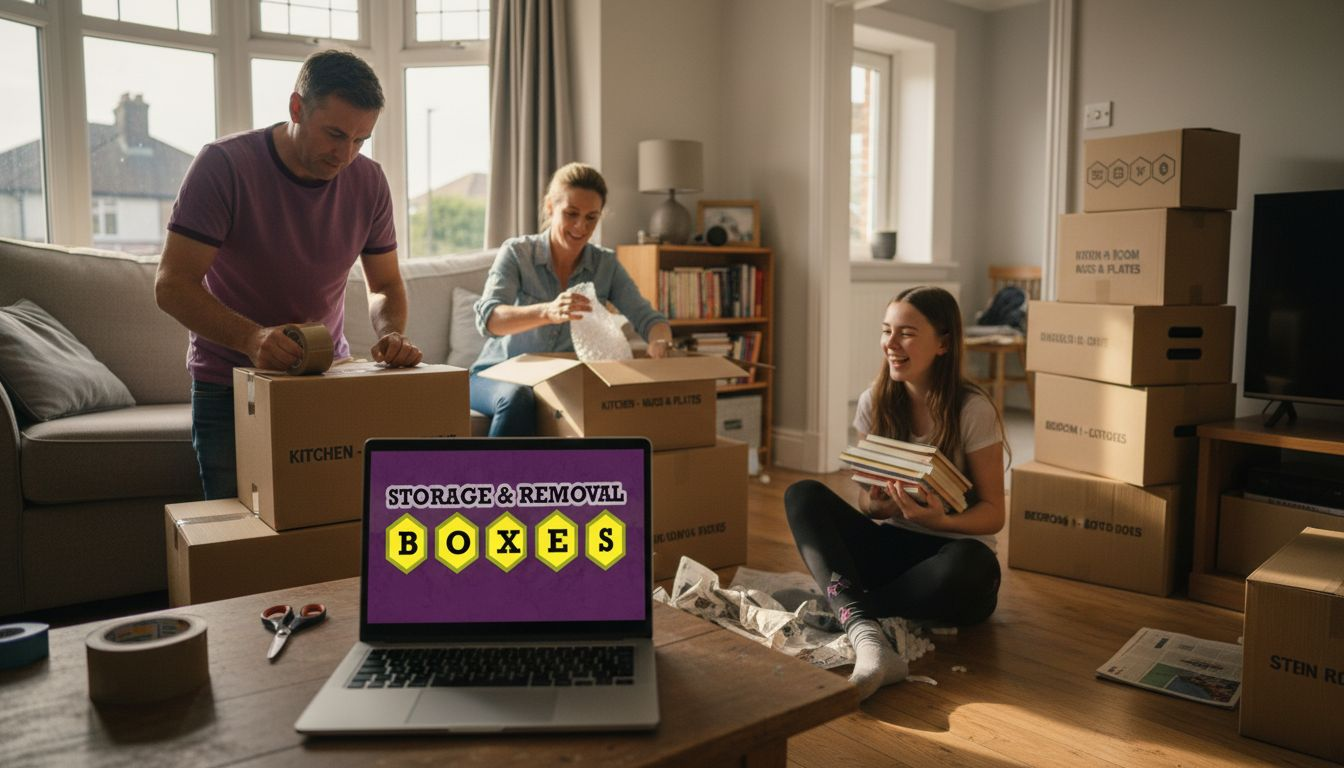
Moving fragile items without the right materials often results in expensive breakages and unnecessary stress. Using durable, eco-friendly packaging and proper techniques can dramatically reduce damage while saving you valuable time. This guide walks you through everything you need, proven packing methods, common mistakes to avoid, and how to achieve a smooth, safe move across the UK.
Table of Contents
- Prerequisites: What You Need Before You Start
- Choosing Durable and Eco-Friendly Packing Materials
- Fragile Item Packing Techniques
- Step-by-Step Packing Process
- Common Packing Mistakes and How to Fix Them
- Post-Packing Organization and Labeling Tips
- Expected Results and Outcomes
- Pack Smarter with Our Durable & Eco-Friendly Moving Boxes
- Frequently Asked Questions
Key Takeaways
| Point | Details |
|---|---|
| Use double-walled recyclable boxes | These provide superior protection for fragile items during transport. |
| Wrap items individually and fill gaps | Proper cushioning with recyclable materials prevents shifting and breakage. |
| Start packing early in stages | Phased packing reduces stress and allows careful handling of delicate items. |
| Avoid overfilling boxes | Overloaded boxes cause 45% of damage incidents during moves. |
| Proper techniques reduce breakage by 70% | Following correct packing methods dramatically improves protection outcomes. |
Prerequisites: What You Need Before You Start
Before packing a single item, gather all necessary materials to avoid mid-packing delays. You need double-walled cardboard boxes that meet UK strength standards for fragile items. Single-walled boxes simply cannot provide adequate protection for delicate belongings during transport.
Essential packing supplies include:
- Bubble wrap rolls for cushioning individual items
- Foam protectors for extra-fragile pieces like mirrors and artwork
- Recyclable packing paper for filling voids and wrapping
- Strong packing tape rated for moving applications
- Clear labels with fragile warnings and content descriptions
Create a dedicated packing space with good lighting and a clean work surface. Ideally, allocate several days for staged packing rather than rushing everything in one exhausting session. This prevents fatigue-related mistakes and allows you to handle each item with proper care.
Labeling materials are absolutely critical for organization and safety tracking. Without clear markings, movers cannot identify fragile boxes, and you will struggle during unpacking. Preparing all materials upfront transforms a chaotic process into a manageable, efficient workflow.
Choosing Durable and Eco-Friendly Packing Materials
The right materials make all the difference between arriving with intact belongings or a box of broken pieces. Double-walled cardboard boxes provide 50% higher burst strength than single-walled alternatives, essential for protecting fragile items during loading, transport, and unloading.
Recycled cardboard boxes reduce your environmental impact while maintaining protective strength. UK environmental goals increasingly encourage sustainable moving practices, and choosing recycled materials aligns your move with these standards without compromising safety.
For void filling, recyclable packing paper outperforms plastic peanuts on every measure. Paper conforms better to item shapes, provides excellent cushioning, and you can recycle it with household waste. Plastic peanuts create disposal headaches and harm the environment.
Material Comparison for Fragile Packing
| Material Type | Protective Strength | Environmental Impact | Cost Efficiency |
|---|---|---|---|
| Double-walled recycled boxes | Excellent | Low carbon footprint | Good value for protection |
| Recyclable packing paper | Very good | Fully recyclable | Cost-effective |
| Bubble wrap (recyclable) | Excellent | Moderate (check recycling) | Higher but reusable |
| Foam protectors | Excellent for corners | Moderate | Targeted use for best value |
Source eco-friendly cardboard boxes from suppliers that clearly display recycling certifications. Verify that bubble wrap and foam products meet UK recycling standards. Many sustainable packaging solutions now combine protection with environmental responsibility.
Pro Tip: Always check packaging certifications for recyclability labels before purchasing. This ensures your packing materials can be properly disposed of after your move, completing the sustainability cycle.
Stocking up on recyclable packing paper in bulk saves money and ensures you never run short mid-packing. Calculate needs based on your inventory, then add 20% extra for unexpected requirements.
Fragile Item Packing Techniques
Proper technique matters more than quantity of materials. Wrapping fragile items individually with bubble wrap and foam can reduce breakage by over 70%, but only if you apply correct methods. Never skip the individual wrapping step, even for items that seem sturdy.
Follow this proven wrapping sequence:
- Clean and dry each item before wrapping to prevent moisture damage.
- Wrap smaller fragile pieces completely in bubble wrap with bubbles facing inward.
- Secure wrapping with tape, ensuring no exposed surfaces remain.
- Add foam corner protectors to items with vulnerable edges or points.
- Wrap again in packing paper for an additional protective layer.
Box arrangement requires strategic thinking. Place heavier items at the bottom with lighter, more fragile pieces on top to prevent crushing. Never mix heavy and delicate items in the same box without substantial cushioning barriers between layers.
Fill every empty space with recyclable void fillers to prevent shifting during transport. Items that move inside boxes inevitably collide and break. Crumpled packing paper works brilliantly for filling irregular spaces around wrapped items.
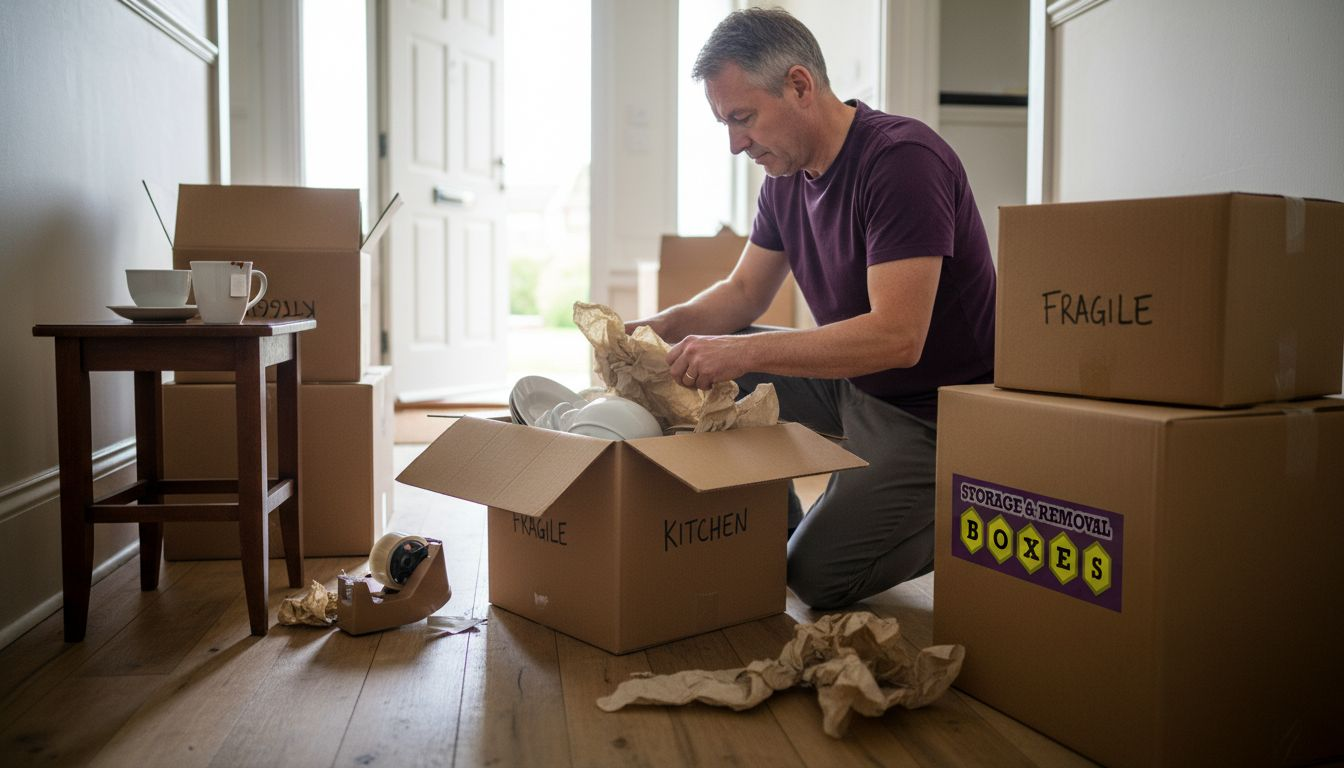
Seal boxes thoroughly with strong tape across all seams and the center. Apply tape in an H pattern on top and bottom for maximum strength. Mark boxes clearly as fragile on multiple sides using bold, visible labels.
Pro Tip: Use coloured labels or stickers to instantly identify fragile boxes during loading and unloading. Red or orange labels catch attention immediately, prompting careful handling from everyone involved.
Invest in quality strong removal boxes that will not fail under the weight of properly packed fragile items. Box failure during a move causes devastating losses that cheap packaging simply cannot justify.
Step-by-Step Packing Process
An organized process prevents the overwhelming chaos that leads to damaged items and missed belongings. Start packing fragile items several days before moving day in manageable staged sessions. This approach allows careful attention to each piece without the pressure of looming deadlines.
Pre-packed removal kits tailored to household size can reduce packing time by up to 25% because everything you need arrives together. No more emergency runs to stores for forgotten supplies or settling for inadequate materials.
Follow this efficient workflow:
- Begin with items you use least frequently, typically decorative pieces and seasonal belongings.
- Work room by room to maintain organization and prevent item mixing.
- Pack one category at a time within each room, such as all glassware before moving to ceramics.
- Label each box immediately after packing with detailed contents and the destination room.
- Place completed boxes in a designated staging area away from active packing zones.
- Maintain a master inventory list tracking box numbers, contents, and fragile status.
Label boxes with precision, including specific contents rather than vague descriptions. Write fragile warnings on at least three sides in large, clear letters. This redundancy ensures visibility regardless of how boxes are stacked.
Avoid overfilling temptation. Distribute items across more boxes rather than cramming everything into fewer containers. Overloaded boxes fail structurally and become impossible to lift safely, creating injury risks.
Remember: Phased packing over days reduces last-minute stress and damage likelihood by 20%. Rushing through packing in a single marathon session inevitably leads to mistakes, forgotten items, and increased breakage.
Consider pre-packed removal kits matched to your home size for the most streamlined experience. These kits include calculated quantities of boxes, tape, and protective materials based on proven formulas for different household sizes.
Explore efficient packing solutions that bundle complementary materials, saving you decision fatigue and ensuring compatibility between products.
Common Packing Mistakes and How to Fix Them
Even experienced movers fall into predictable traps that compromise fragile item safety. Understanding these errors helps you avoid repeating them during your move.
Overfilling boxes causes approximately 45% of damage incidents. The fix is simple but requires discipline: spread items over more boxes. Calculate the maximum safe weight for your box size, then stay well below that limit. A box you can comfortably lift is properly filled.
Insufficient cushioning leads to preventable breakages. Never place unwrapped items directly into boxes, and never allow wrapped items to touch box walls without intervening cushioning. Every surface needs protection from impact and vibration during transport.
Poor or missing labeling creates chaos during unloading and unpacking. Unlabeled boxes get handled roughly because movers cannot identify fragile contents. Use clear, bold fragile warnings with specific content descriptions on multiple sides of every box.
Ignoring proper sealing techniques results in boxes opening during moves, spilling contents, and causing losses. Apply strong tape thoroughly across all seams using the H-pattern method. Reinforce bottom seams with extra tape layers since they bear the most stress.
- Check that boxes remain square and do not bulge at sides, indicating overfilling.
- Verify adequate cushioning by gently shaking packed boxes; items should not shift audibly.
- Test tape adhesion by pulling firmly on sealed flaps before considering a box ready.
- Review labels for clarity and visibility from multiple angles.
Pro Tip: Regularly check packed boxes mid-packing to catch and fix errors early. Unpacking and repacking a few boxes immediately beats discovering damage after your move.
Choose appropriately sized boxes from quality suppliers to avoid overfilled boxes. Smaller boxes naturally limit overfilling temptation while providing better weight distribution.
Learn from others by reviewing common pitfalls in learning from mistakes contexts, applying error-prevention principles to your packing process.
Post-Packing Organization and Labeling Tips
Once boxes are packed, organization determines how smoothly unpacking proceeds. Label boxes clearly with detailed contents and prominent fragile warnings. Vague labels like “kitchen stuff” waste time during unpacking, while specific descriptions like “wine glasses and coffee mugs” enable strategic unpacking priority.
Implement a systematic identification approach:
- Use colour-coded labels to indicate destination rooms (blue for kitchen, green for bedroom).
- Number boxes sequentially within each room for inventory tracking.
- Mark fragile boxes with bold red labels on all visible sides.
- Note “open first” on boxes containing immediate essentials.
- Create a master spreadsheet linking box numbers to detailed contents.
Maintain an inventory list connected to your labeling system. This allows quick location of specific items without opening multiple boxes. Digital inventory apps can photograph labels and track box locations through your move.
Mark heavy boxes prominently to alert movers and prevent lifting injuries. Even well-packed fragile boxes can be deceptively heavy, creating safety hazards without clear warnings. Use weight indicators or dedicated heavy item labels.
Keep frequently used item boxes accessible for priority unpacking. Load these last on moving vehicles so they come off first at your destination. This strategic approach means you can function in your new home while methodically unpacking remaining boxes.
Labeling Method Comparison
| Method | Organization Benefit | Unpacking Speed | Damage Prevention |
|---|---|---|---|
| Color-coded by room | Excellent for sorting | Very fast | Good (movers see destinations) |
| Numbered sequentially | Perfect for inventory | Moderate (requires list) | Excellent (tracking responsibility) |
| Detailed content labels | Enables selective unpacking | Fast for priorities | Good (careful handling of specifics) |
| Fragile warnings | Safety focused | N/A | Excellent (alerts handlers) |
Invest in quality fragile and warning labels that adhere reliably and remain visible throughout handling. Cheap labels that fall off defeat their entire purpose.
Expected Results and Outcomes
Applying these comprehensive packing techniques delivers measurable improvements across multiple moving dimensions. You can realistically expect fragile item breakage reduction exceeding 70% compared to casual packing methods. This translates to hundreds of pounds saved in replacement costs for typical household moves.
Staged packing combined with pre-packed kits saves 20 to 25% of total packing time. For a three-bedroom home, this represents 8 to 10 hours returned to your schedule. You can invest this time in other moving tasks or simply reduce overall moving stress.
Clear, systematic labeling boosts unpacking speed and lowers damage risk by approximately 30%. Movers handle clearly marked boxes more carefully, and you can prioritize unpacking without opening every box to check contents. This efficiency helps you settle into your new home days faster.
Choosing recycled and recyclable materials substantially reduces your move’s environmental impact. A typical UK household move generates significant packaging waste. Using recyclable materials and properly disposing of them promotes eco-conscious moving practices aligned with UK sustainability goals.
Impact Summary: Proper fragile packing techniques reduce breakage by over 70%, save 20-25% packing time, improve unpacking efficiency by 30%, and significantly lower environmental impact through sustainable material choices.
These results compound when you combine all recommended practices. Your move becomes safer for belongings, faster to execute, less stressful overall, and environmentally responsible.
Pack Smarter with Our Durable & Eco-Friendly Moving Boxes
You have learned the techniques, now source the materials that make them work. We offer durable double-walled cardboard boxes made from recycled materials, specifically designed for protecting fragile items during UK moves. Every box meets stringent strength standards while maintaining environmental responsibility.
Our pre-packed removal kits eliminate the guesswork by providing all essential packing supplies in one convenient package. Sized for different households, these kits ensure you have adequate materials without overpaying for excess supplies.
Choose eco-friendly bubble wrap and foam protectors that comply with UK recycling standards. These materials deliver exceptional protection while supporting your sustainability goals. Browse our complete range of large double-walled removal boxes to find perfect sizes for your fragile items.
Shop now to make your 2026 UK home move safer, faster, and greener. Nationwide delivery brings quality packing materials directly to your door, letting you focus on packing technique rather than material sourcing.
Frequently Asked Questions
How early should I start packing fragile items when moving?
Start packing fragile items several days before moving day to enable staged, careful handling. Phased packing over days reduces last-minute stress and damage likelihood by 20% compared to rushed single-session packing. This approach allows proper attention to each item without deadline pressure.
What are the most eco-friendly materials for cushioning fragile items?
Recyclable packing paper and biodegradable bubble wrap represent the best eco-friendly cushioning options. These materials provide excellent protection while supporting UK environmental standards. Avoid plastic peanuts due to poor recyclability and significant environmental harm.
Where can I buy strong, eco-friendly moving boxes in the UK?
Many UK suppliers offer double-walled recycled cardboard boxes that meet environmental and strength standards. Our platform provides quality options specifically designed for UK moves, including pre-packed removal kits tailored to different household sizes. Look for clear recycling certifications when choosing suppliers.
How can I safely handle heavy packed boxes during a move?
Use correct lifting techniques by bending your knees, keeping your back straight, and avoiding twisting motions. Mark heavy boxes clearly with weight warnings and always ask for help when needed. Proper lifting prevents back injuries that can affect you long after your move completes.
Do pre-packed removal kits really save time during packing?
Yes, pre-packed removal kits tailored to the size of the household can reduce packing time by up to 25%. These kits provide all essential materials together, eliminating time wasted sourcing individual items. Users consistently report faster, more organized packing when using properly sized kits.