Safe transport tips for valuables: 2026 guide
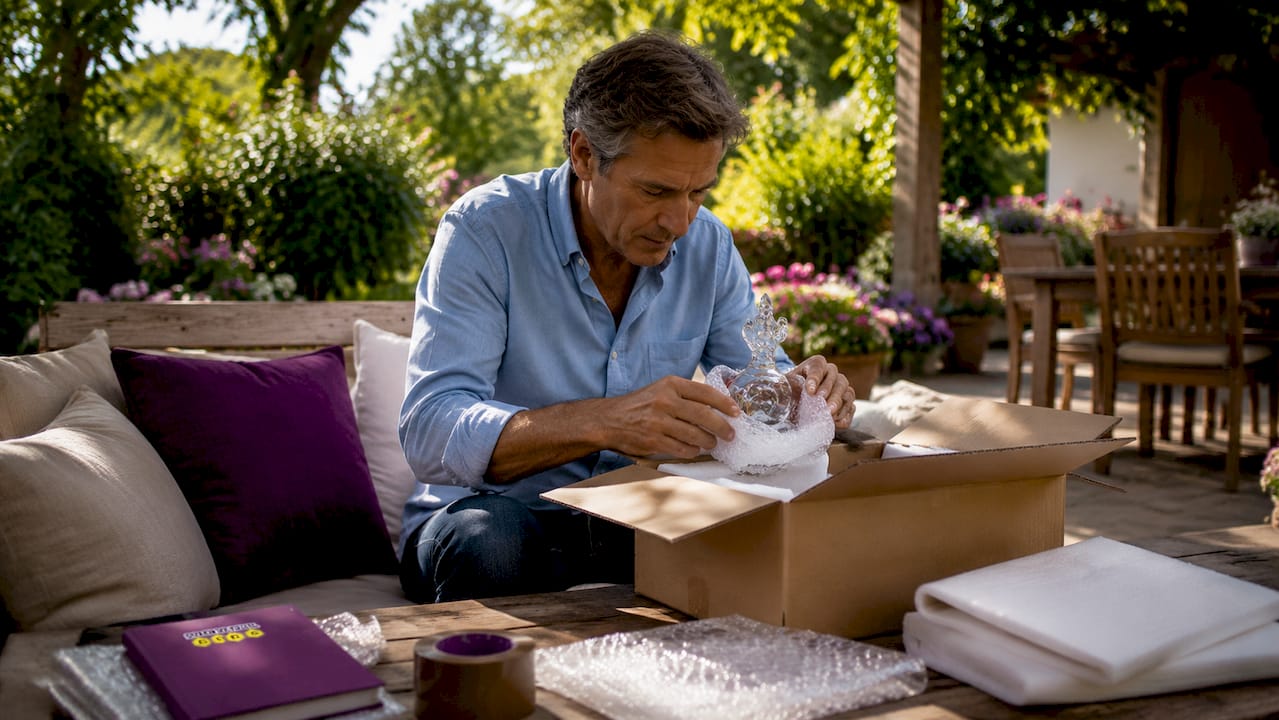
TL;DR:
- Protecting valuables during a move involves using proper packing materials, thorough documentation, and layered security measures. Professional packing techniques such as custom crating and triple-boxing significantly reduce damage risk, while keeping items split and personally documenting their condition ensures effective insurance claims. Prevent theft by securing valuables on your person, avoiding obvious labels, and employing physical and digital safeguards throughout transit.
Safe transport for valuables is defined as the use of protective packing, secure handling, and documented procedures to prevent damage, loss, or theft during a move or journey. Most families focus on getting boxes into a van. The professionals focus on what happens to those boxes once they are moving. That difference in thinking is where most damage occurs. The safe transport tips for valuables in this guide draw on shipping protocols, travel security research, and packing standards used by removal specialists, so you can apply the same rigour to your own move or trip.
1. What materials and packing methods best protect valuables?
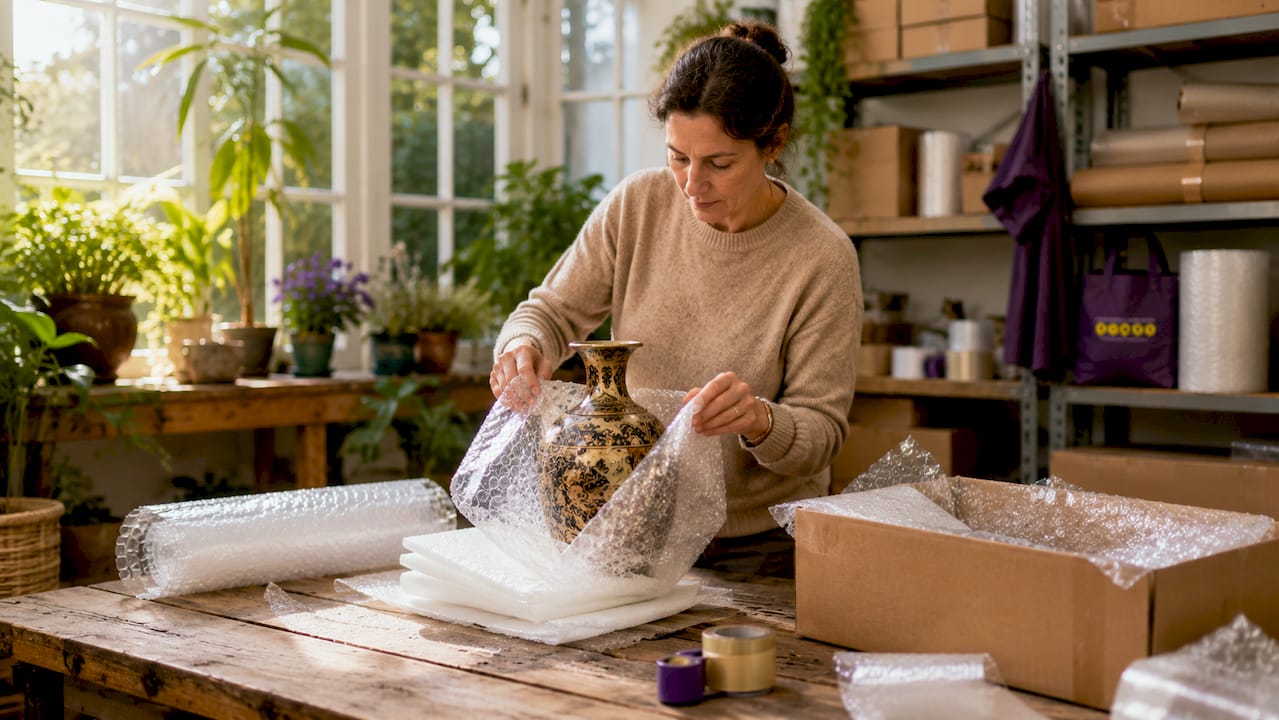
The right materials do most of the work before a single box is lifted. Double-walled moving boxes provide a second layer of corrugated board that absorbs impact far better than single-wall alternatives. Bubble wrap, closed-cell foam sheets, and foam corner protectors fill the gaps that allow items to shift and collide in transit.
For high-value items, custom crating with foam-lined wood is the professional standard. Custom foam-lined crates achieve a damage ratio below 2%, compared with standard cardboard boxes. That figure reflects the difference between a snug, shock-absorbing enclosure and a box with loose padding.
Triple-boxing is worth knowing for extremely fragile pieces. You wrap the item, place it in a smaller box with padding, then pack that box inside a larger outer box with further cushioning between the two. Each layer absorbs a portion of any impact.
Pro Tip: For photographs, documents, and delicate paper items, wrap in acid-free tissue and seal inside a Mylar sleeve before boxing. These materials prevent moisture and acid degradation that ordinary paper or bubble wrap cannot stop.
- Use double-walled boxes for all heavy or breakable items.
- Line box bases with at least 5 cm of bubble wrap or foam before placing items.
- Fill every void with crumpled packing paper or foam peanuts so nothing shifts.
- Label boxes with “FRAGILE” and “THIS WAY UP” using clear, bold markers.
2. How to secure valuables physically and digitally for transit
Physical protection alone is not enough. A complete approach to protecting valuables during transit includes a digital record that survives even if the item does not. The Three-Backup rule covers split physical storage, encrypted digital documentation, and accessible offline records. Applying all three reduces the chance of total loss to near zero.
Before packing anything of value, photograph it from multiple angles. Note serial numbers, hallmarks, and any existing damage. Store these photos in an encrypted cloud folder and on a USB drive kept separately from the items themselves.
Document item condition with written condition reports and carry insurance for full replacement value. Without a condition report, insurers can dispute claims on the grounds that damage pre-existed the move.
Pro Tip: Print one copy of your inventory and keep it with you during the move, not in the removal van. If a box goes missing, you have an immediate reference without needing internet access.
- Split valuables across at least two separate bags or boxes so one incident cannot cause total loss.
- Use tamper-evident seals on boxes containing high-value items.
- Store RFID-blocking wallets with cards and passports during transit.
- Keep insurance documents and receipts in a folder you carry personally.
3. Best ways to protect valuables during travel and everyday transport
Theft during travel is largely opportunistic. Travellers are frequently targeted because they use open totes or keep passports in easily accessible outer pockets. Changing those habits removes most of the opportunity.
Travel experts recommend RFID-blocking wallets and slash-resistant bags for crowded transit environments such as airports, tube stations, and busy city streets. Slash-resistant cross-body bags with lockable zips are particularly effective because they cannot be grabbed and cut open in a single motion.
- Keep passports, cards, and phones on your body using a money belt or a zipped inner pocket.
- Divide cash across at least two separate locations so losing one does not leave you without funds.
- Never display expensive jewellery, cameras, or devices openly in high-traffic areas.
- Use a lockable crossbody bag rather than a backpack when using public transport.
- Where available, use a hotel safe or portable travel safe for items you are not carrying.
- At airports, keep your bag in front of you and in sight at all times, especially at security queues.
Keeping valuables on the person rather than in checked luggage or unattended bags is the single most effective theft prevention measure. Luggage can be delayed, lost, or searched. What you carry on your body stays with you.
4. How to handle fragile or high-value items during a move
Artwork, antiques, and electronics each have specific vulnerabilities that standard packing does not address. Museum-grade packing uses archival acid-free materials, closed-cell foam cushioning, shock sensors, and tamper-evident seals. This combination protects against impact, humidity, and temperature change simultaneously.
Moving blankets are the correct tool for large fragile items such as mirrors, framed canvases, and antique furniture. Wrap the item fully, secure the blanket with stretch wrap, and place the item upright in the van rather than flat. Flat placement increases the surface area exposed to vibration and stacking pressure.
Pro Tip: Never write “ART”, “ANTIQUE”, or “VALUABLE” on the outside of a box. Non-descriptive labels using consignment codes or colour stickers prevent targeted theft during transit and storage.
The table below compares DIY packing with professional shipping for high-value items.
| Factor | DIY packing | Professional shipper |
|---|---|---|
| Damage protection | Depends on materials chosen | Custom crating, foam lining, chain-of-custody |
| Insurance coverage | Standard home contents policy | Declared-value specialist cover |
| Documentation | Self-managed photos and receipts | Condition reports, sensor data, signed handover |
| Cost | Lower upfront | Higher upfront, lower risk of loss |
| Best suited for | Everyday household items | Artwork, antiques, electronics over £500 |
For items above a certain value, the cost of professional shipping is almost always lower than the cost of an uninsured loss. Secure parcel transportation specialists offer chain-of-custody tracking and tamper-evident packaging as standard.
5. Transporting valuables in vehicles and rental cars
Vehicles create a false sense of security. A locked car is not a safe. Smash-and-grab theft from parked vehicles takes seconds, and items left visible on seats are the primary target.
Lockable trunks and hard cases provide the best in-vehicle protection. A portable lockbox bolted or cable-locked to the boot adds a secondary barrier that takes significantly longer to defeat than a car door. This matters because most opportunistic thieves move on if a target requires more than 60 seconds of effort.
- Never leave valuables visible inside a parked vehicle, even for a few minutes.
- Use the boot rather than the rear seat for any bags or boxes.
- Fit a portable lockbox for items such as laptops, cameras, and documents.
- Apply tamper-evident seals to boxes in the boot so you can confirm they have not been opened.
- Photograph the vehicle and its contents before departure, especially with rental cars.
- Check rental car policies on valuables before loading, as some policies exclude items left unattended.
- Choose well-lit, monitored car parks over quiet side streets when stopping during a long journey.
Splitting valuables across multiple storage locations applies in vehicles too. Do not put all high-value items in one bag. If that bag is taken, the loss is total. Distribute across the boot, a locked glovebox, and your person.
Key takeaways
Protecting valuables in transit requires layered preparation: the right materials, split storage, thorough documentation, and physical security measures working together at every stage.
| Point | Details |
|---|---|
| Use layered packing materials | Double-walled boxes, foam, and bubble wrap prevent impact damage during transit. |
| Apply the Three-Backup rule | Keep split physical storage, encrypted digital records, and offline copies of all documentation. |
| Carry valuables on your person | Money belts and lockable crossbody bags reduce theft risk in crowded or public environments. |
| Avoid descriptive external labels | Use codes or colour stickers instead of words like “VALUABLE” to deter targeted theft. |
| Document condition before moving | Photographs and written condition reports are required for successful insurance claims. |
What I have learned from years of watching moves go wrong
The most common mistake I see is treating documentation as an afterthought. Families spend hours wrapping items carefully, then take a single blurry photo on a phone that gets lost in a camera roll. When something breaks or goes missing, they have no usable evidence for a claim. The insurer declines. The loss is permanent.
The second mistake is assuming that expensive materials replace careful technique. I have seen items packed in professional-grade foam arrive damaged because the box was overfilled and the lid was forced to shut. Compression damage from a bulging lid is just as destructive as a drop. The material only works when the technique is correct.
Climate is the overlooked factor in most domestic moves. A van parked in direct sunlight in summer can reach temperatures that warp vinyl records, crack lacquered wood, and damage electronics. If you are moving in warm weather, plan your loading times for early morning and unload before midday. This costs nothing and prevents damage that no amount of bubble wrap can fix.
My honest advice is to treat every move as if you were shipping to a museum. Photograph everything, label nothing with its value, split your storage, and carry your most important items personally. These habits take 30 minutes to establish and prevent losses that take years to recover from.
— Adrian
Packing materials that make a real difference
Getting the materials right is the foundation of every safe move. Storageremovalboxes supplies double-walled removal boxes, bubble wrap rolls, foam protectors, moving blankets, and complete moving kits designed for UK households of every size. Every product is made from recyclable materials and built to handle fragile and bulky items without compromise.

Whether you are moving a single room or an entire house, the packing materials range at Storageremovalboxes covers everything you need in one order, with nationwide delivery. Strong boxes, proper cushioning, and the right kit mean your valuables arrive exactly as they left.
FAQ
What is the safest way to pack fragile valuables for a move?
Use double-walled boxes lined with at least 5 cm of bubble wrap or closed-cell foam, and fill all voids so items cannot shift. For extremely fragile pieces, triple-boxing with foam-lined inner and outer boxes reduces impact damage to below 2%.
Should I label boxes containing valuables?
Avoid writing descriptive words like “VALUABLE” or “ART” on outer packaging. Use consignment codes or colour stickers instead, as non-descriptive labels prevent targeted theft during transit and storage.
How do I protect valuables from theft during travel?
Keep passports, cards, and phones on your body using a money belt or a zipped inner pocket, and use an RFID-blocking wallet with a slash-resistant crossbody bag in crowded environments.
What documentation do I need for a successful insurance claim?
Photograph each item from multiple angles before packing, note serial numbers and existing damage, and keep a written condition report. Insurers require this paper trail to process claims for damage or loss.
Is it better to use a professional shipper for high-value items?
For items such as artwork, antiques, and electronics above a significant value, professional shippers offer custom crating, chain-of-custody tracking, and declared-value insurance that DIY packing cannot match.