How smart packaging protects your move and the planet
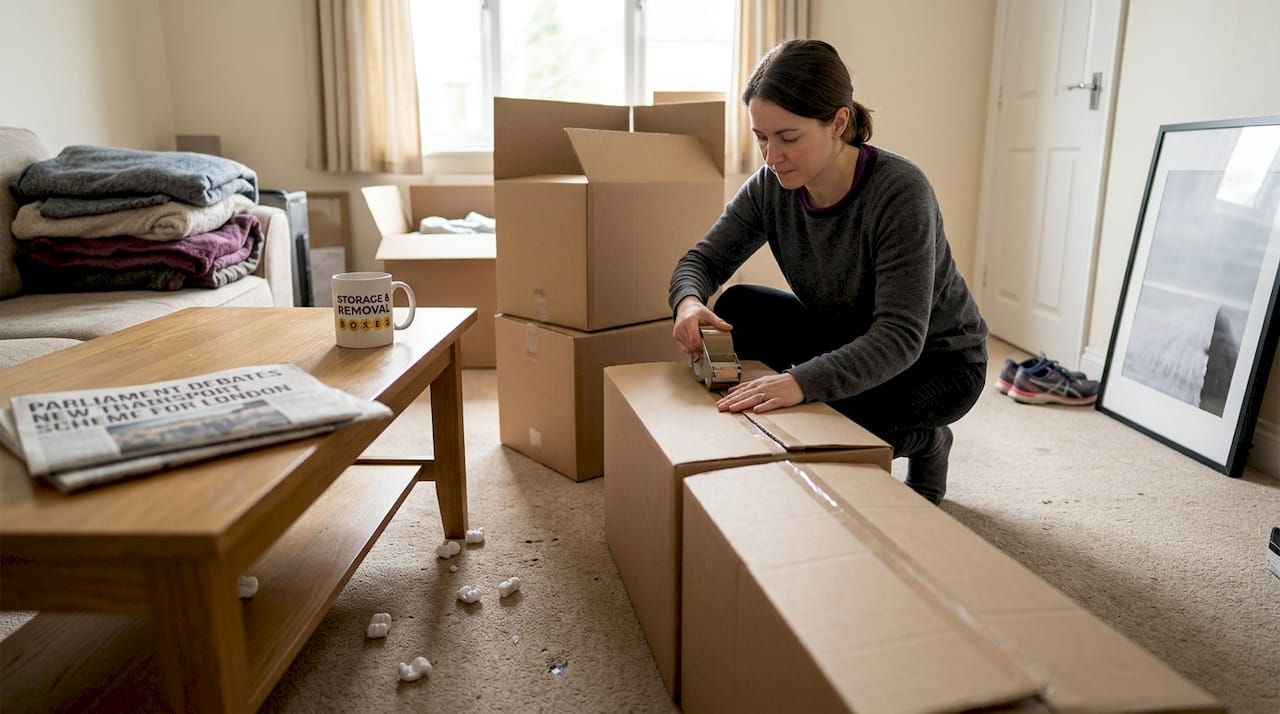
Nearly 48% of UK movers have experienced at least one item damaged during a house move, and 37% blame poor packaging directly. That is not bad luck. It is a preventable problem, and the solution starts long before the removal van arrives. The packaging you choose affects not only whether your belongings survive the journey, but also how much waste you generate in the process. This article walks you through the materials, methods, and mindset that make moving safer, smarter, and kinder to the environment.
Table of Contents
- Why packaging is the backbone of a successful move
- The science behind damage prevention: materials and methods that work
- Eco-friendly packaging: protecting your possessions and the planet
- Essential packaging checklist for a stress-free move
- Find the right packaging for your move
- Frequently asked questions
Key Takeaways
| Point | Details |
|---|---|
| Packaging prevents most damage | Investing in quality materials slashes the risk of breakage and loss during your move. |
| Eco-friendly options protect the planet | Choosing recyclable or reusable packaging helps reduce waste and supports sustainability in every house move. |
| Systematic packing is crucial | Individually wrap items, fill empty spaces, and label boxes clearly for maximum safety and efficiency. |
| Professional techniques are DIY-friendly | You can dramatically reduce risk by following the best practices used by expert movers. |
Why packaging is the backbone of a successful move
Every box you seal and every item you wrap is a small act of protection. Packaging absorbs the shocks, vibrations, and pressure that occur during loading, transit, and unloading. Without it, even a short journey across town can leave your favourite lamp in pieces or your grandmother’s china cracked beyond repair.
“The single biggest mistake people make when moving is underestimating how much movement happens inside a box during transit. A box that feels secure on the floor can shift violently in a van.”
Over 40% of moving damage is caused by poor packing materials, not rough handling. That figure should change how you think about every roll of bubble wrap and every box you choose. Professional movers understand this instinctively. They layer materials, fill voids, and label everything clearly. DIY movers, without that experience, are far more likely to cut corners and pay for it later.
Here is what poor packaging actually costs you:
- Broken or chipped items that cannot be replaced
- Stress and delays on moving day when damage is discovered
- Extra costs for replacements or repairs
- Wasted time repacking items that were not secured properly
- Potential disputes with removal companies over liability
Exploring storage solutions for safe moving and understanding why durable boxes matter are two of the most practical steps you can take before packing a single item.
The science behind damage prevention: materials and methods that work
Not all boxes are equal. A single-wall box is made from one layer of corrugated cardboard, which is fine for lightweight items like clothing or books. A double-wall box has two layers of corrugation, making it significantly stronger and better suited to heavier or fragile items. The difference in crush resistance is substantial, and for anything breakable, double-wall is always the right choice.
| Box type | Best for | Crush resistance | Eco notes |
|---|---|---|---|
| Single-wall | Clothes, soft items | Moderate | Recyclable |
| Double-wall | Fragile, heavy items | High | Recyclable, often recycled content |
| Specialist boxes | Mirrors, artwork, TVs | Very high | Reusable options available |
Beyond the box itself, the materials inside make an enormous difference. Bubble wrap cushions individual items and prevents them from knocking against each other. Moving blankets protect large furniture surfaces from scratches. Void fill, whether crumpled recycled paper or foam peanuts, stops items shifting inside the box during transit.
Follow these steps for every box you pack:
- Wrap each item individually using wrapping paper or bubble wrap before placing it in the box
- Line the base of the box with a layer of cushioning material
- Place heavier items at the bottom and lighter ones on top
- Fill every gap with void fill so nothing can move
- Apply fragile warning tape to any box containing breakables
- Label the top and at least one side with contents and destination room
The no-rattle test is a simple but effective quality check: once a box is sealed, give it a gentle shake. If you hear or feel movement inside, open it and add more void fill. A box that passes this test is far less likely to cause damage in transit.
Pro Tip: Use smaller boxes for fragile items. A smaller box limits how much an item can shift, reduces the temptation to overload, and is easier to handle safely. For guidance on protecting larger pieces, see how to wrap furniture for moving.
Eco-friendly packaging: protecting your possessions and the planet
Sustainable packaging is not a compromise. Done properly, it offers the same level of protection as conventional materials while significantly reducing your environmental footprint. The key is knowing what to look for and what claims to ignore.
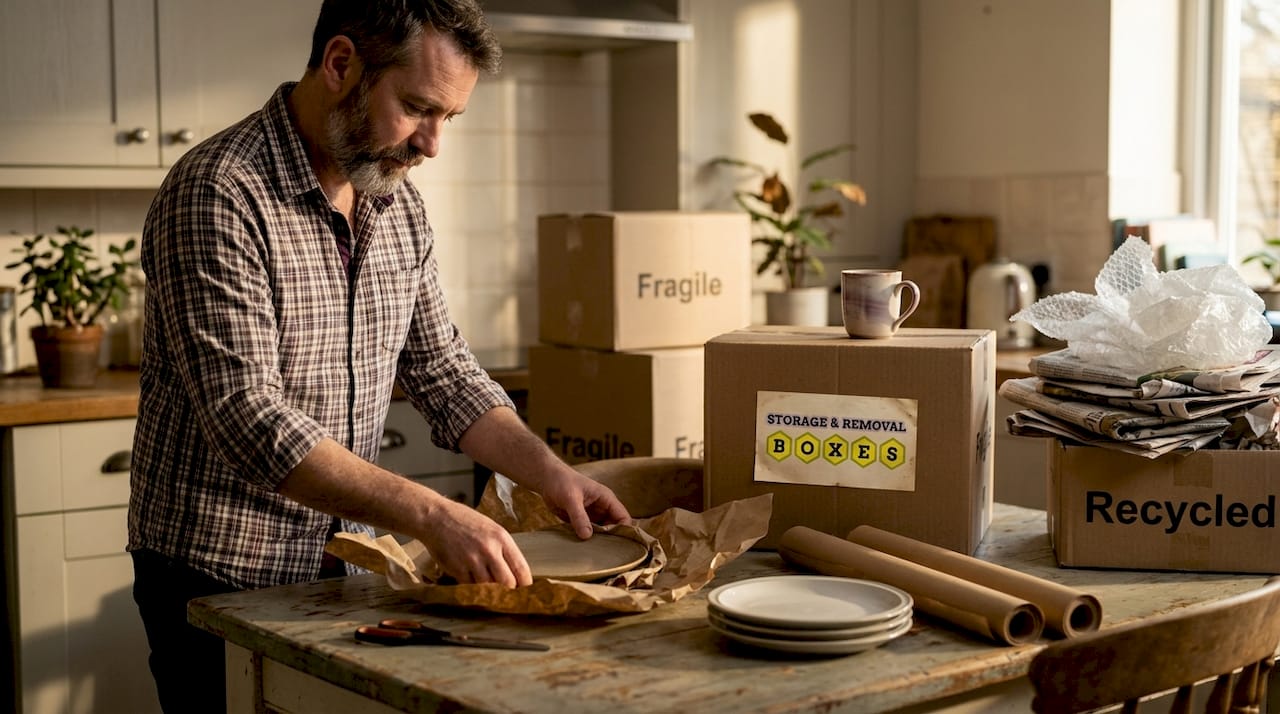
Recycled-content cardboard boxes are now widely available in the UK. They use post-consumer waste fibre rather than virgin wood pulp, which reduces the demand for new raw materials. Sustainable packaging aligns protection with eco-goals, and recycled-content boxes maintain the same durability as standard options when manufactured correctly.
The environmental case for good packaging goes further than the materials themselves. Protective packaging reduces waste by preventing damage, extending the life of furniture and household items, and keeping them out of landfill. UK furniture reuse alone saved 111,000 kg of CO2 in the first half of 2025. That is a compelling argument for investing in proper protection rather than skimping and replacing.
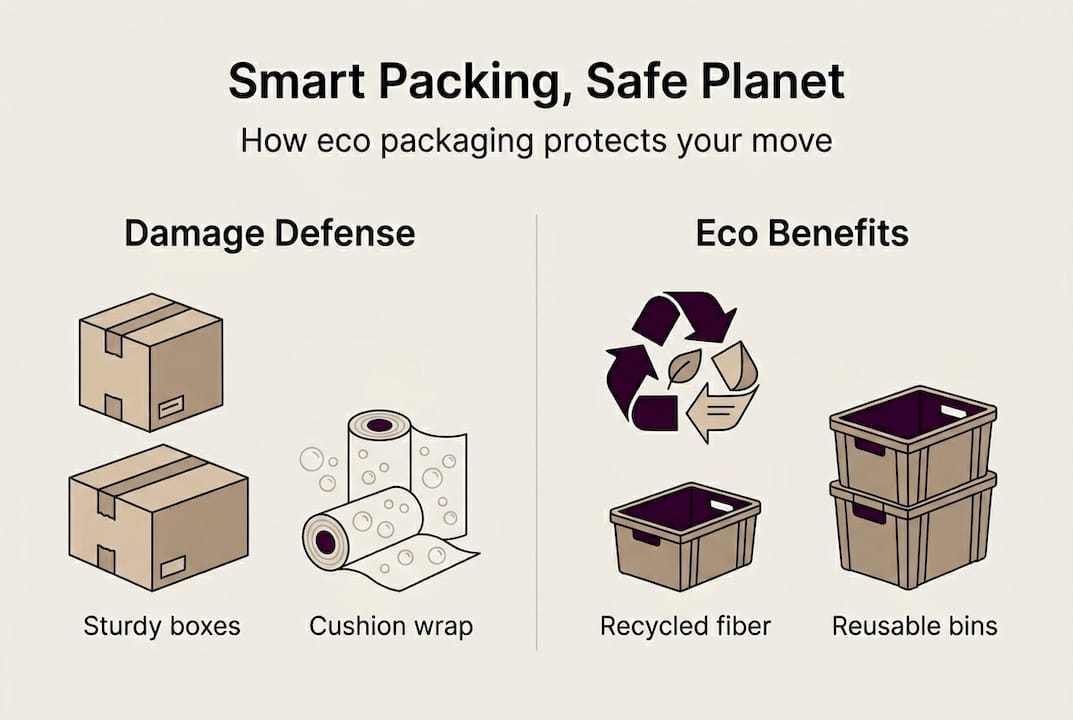
| Packaging type | Recyclable | Recycled content available | Reusable |
|---|---|---|---|
| Cardboard boxes | Yes | Yes | Yes (if undamaged) |
| Bubble wrap | Limited | Some options | Yes |
| Moving blankets | N/A | Yes (recycled fabric) | Yes |
| Foam corners | Limited | Some options | Yes |
Here is how to spot genuinely eco-friendly packaging versus greenwashing:
- Look for verified recycled content percentages on the product listing
- Check for FSC certification on cardboard products
- Avoid vague claims like “environmentally friendly” with no supporting detail
- Prioritise products that can be reused or returned after your move
- Choose suppliers who are transparent about their materials and sourcing
Pro Tip: Always check for verified recycled content or reuse certification before purchasing. A box labelled “eco” without any certification is a marketing claim, not a guarantee. For more practical guidance, the moving house checklist covers sustainable options alongside every other packing essential.
Choosing eco-friendly materials also helps you reduce packing damage by encouraging more careful, methodical packing habits. When you invest in quality materials, you naturally take more care with how you use them. And for a broader look at making your move greener, eco-friendly moves offers a useful starting point.
Essential packaging checklist for a stress-free move
Having the right materials ready before you start packing is one of the most effective ways to avoid last-minute scrambles and forgotten essentials. Professional movers protect belongings with quality packaging, systematic wrapping, and proper labelling. You can apply exactly the same approach at home.
Here is your essential packaging checklist:
- Double-wall boxes in a range of sizes for heavy and fragile items
- Small boxes specifically for breakables, glassware, and ceramics
- Bubble wrap rolls for wrapping individual fragile items
- Acid-free tissue paper for delicate items including silverware and ornaments
- Recycled packing paper for void fill and general wrapping
- Foam corner protectors for picture frames, mirrors, and glass-topped furniture
- Moving blankets for sofas, wardrobes, and other large pieces
- Strong packing tape and a tape dispenser for sealing boxes securely
- Fragile warning tape for any box containing breakables
- A permanent marker pen for labelling boxes with contents and destination room
- Coloured stickers or labels to colour-code boxes by room
You can find a full range of packaging for moving in one place, or choose from pre-assembled moving packs designed for different household sizes. For large furniture, moving blankets are one of the most underrated items on this list. They prevent surface scratches and scuffs that are almost impossible to repair once they happen.
With your plan and supplies sorted, you can pack with confidence knowing every item has the protection it needs from the moment it leaves your home to the moment it arrives at the new one.
Find the right packaging for your move
Putting these principles into practice is straightforward when you have reliable supplies to hand. Whether you are moving a studio flat or a five-bedroom house, having the right materials ready before you start makes the entire process faster, calmer, and far less likely to end in broken belongings.
At StorageRemovalBoxes.co.uk, you will find everything on your checklist in one place, from large double wall boxes built to handle the heaviest loads, to a carefully curated moving box selection covering every size and strength you need. Do not forget a quality box marker pen for clear, lasting labels that survive the journey. All products are made from recyclable materials, and our customer support team is on hand to help you choose the right combination for your specific move.
Frequently asked questions
What is the most important packaging material for fragile items?
Double-wall boxes and bubble wrap are the most effective combination for fragile items because the box resists crushing while the bubble wrap absorbs shocks and prevents movement. Over 40% of moving damage comes from poor packing materials, so investing in both is always worthwhile.
How can eco-friendly packaging reduce moving waste?
Using recycled and reusable packaging materials reduces the volume of single-use waste going to landfill and lowers your carbon footprint. UK furniture reuse saved 111,000 kg of CO2 in just the first half of 2025, showing how much impact careful material choices can have.
Is labelling boxes really necessary when moving?
Clear labelling prevents mishandling and ensures boxes are placed in the correct room at your new home, which is especially important for fragile items. Individual wrapping, void fill, and clear labelling are the three core methods that consistently reduce damage during moves.
How do professional movers avoid damage better than DIY movers?
Professionals use high-quality packaging, systematic wrapping, void fill, and proper labelling as standard practice, whereas DIY movers often skip one or more of these steps. Professional movers protect belongings through consistent technique, and you can replicate that approach at home with the right materials and a methodical mindset.
Recommended
- Book Wraps for Shipping & Storage UK | Packaging Supplies
- Eco-Friendly & Biodegradable Bubble Wrap Rolls
- Why durable boxes matter for safe and eco-friendly moves
- 6 Essential Types of Storage Solutions for Safe Moving
- 5 Eco-Friendly Packaging Options for Freeze-Dried Dog Food
- Packaging FSC en lessive : guide complet pour un choix durable – VØYA