6 Essential Types of Storage Solutions for Safe Moving
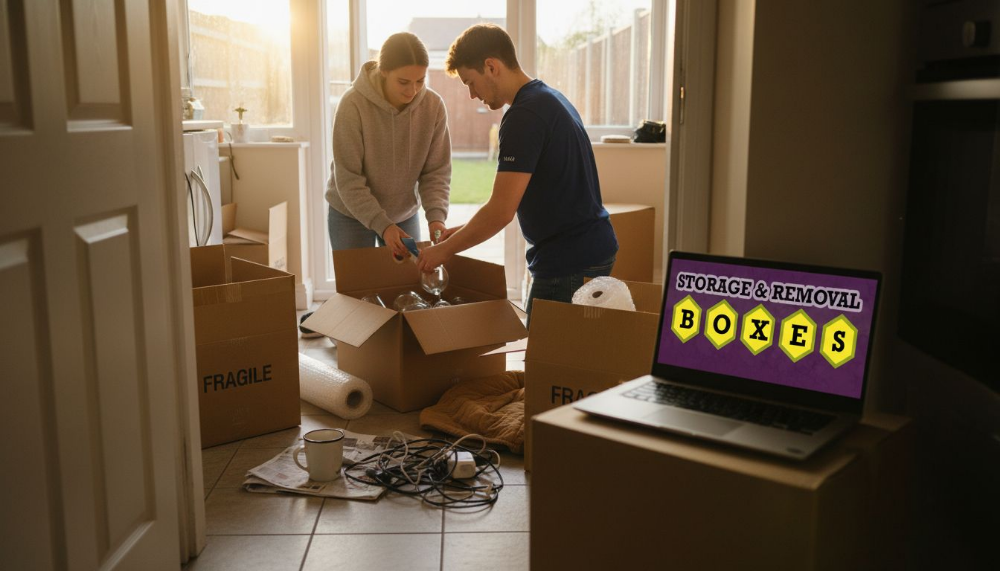
Moving house can feel like a race against time, with the risk of broken plates and missing valuables always looming. Decisions like which cardboard box to use and how to wrap fragile items can completely change the outcome of your move. Luckily, there are practical solutions rooted in proven packing materials and clever organisational tricks that make the process safer and less stressful.
This list reveals the smartest ways to protect your belongings, from understanding the strength of double-walled cardboard boxes to discovering eco-friendly packaging options and efficient packing kits. You’ll also learn how simple tools like labels, bubble wrap, and moving blankets can make unpacking smoother and prevent disasters both big and small.
Get ready for actionable tips that will help you avoid common moving mistakes. Each insight holds the power to save money, preserve your valuables, and make your next move more sustainable and efficient.
Table of Contents
- 1. Understanding Cardboard Box Varieties For Moving
- 2. Benefits Of Double-Walled Boxes For Fragile Items
- 3. How Packing Kits Simplify The Moving Process
- 4. Protective Materials: Bubble Wrap And Foam Solutions
- 5. Using Labels And Blankets For Organised Storage
- 6. Eco-Friendly Options For Sustainable Packing
Quick Summary
| Key Insight | Explanation |
|---|---|
| 1. Use Corrugated Cardboard for Moving | Corrugated cardboard is stronger and provides better protection for fragile items during transit compared to cartonboard. |
| 2. Double-Walled Boxes for Fragile Items | Double-walled boxes offer superior cushioning and protect fragile items from impacts and vibrations during your move. |
| 3. Packing Kits Simplify the Process | Comprehensive packing kits contain all necessary materials, eliminating the need for multiple shopping trips and reducing last-minute stress. |
| 4. Proper Labelling is Essential | Effective labelling helps ensure boxes are placed in the correct rooms, improving unpacking efficiency and minimising losses. |
| 5. Choose Eco-Friendly Packing Options | Sustainable packing materials reduce environmental impact and can include recycled, biodegradable, or compostable options tailored for your move. |
1. Understanding Cardboard Box Varieties for Moving
Not all cardboard boxes are created equal. When you’re moving house, the type of box you choose can make the difference between arriving at your new home with everything intact or dealing with damaged belongings.
Cardboard is a specially engineered material made from paper pulp with a distinctive fluting, or corrugation, sandwiched between two layers of board. This structure gives cardboard its remarkable strength whilst keeping it lightweight and affordable for your move.
Types of Cardboard for Moving
Two main types of cardboard are relevant for moving purposes:
- Corrugated cardboard offers superior durability and is the industry standard for moving boxes. Its layered construction protects goods from breakage and contamination during transit.
- Cartonboard is thinner and better suited for lighter packaging, like the cereal boxes you find in your kitchen. It won’t provide adequate protection for household items during a move.
For your removal needs, corrugated cardboard boxes are the clear choice because they’re engineered to handle the stress of transportation and stacking.
Corrugated cardboard’s distinctive fluted structure is what gives it strength and protection—choose this type for any items you value during your move.
Single Wall vs Double Wall
Within corrugated cardboard, you’ll encounter two common variations that matter for your move:
- Single-wall cardboard boxes features one layer of fluting between two paper layers. It’s suitable for lighter items and general household goods.
- Double-wall cardboard has two layers of fluting, providing extra durability and support. This is your best option for heavier items, fragile goods, or if you’re stacking boxes high.
If you’re moving fragile items like glassware, ceramics, or electronics, double-wall construction offers the protection you need.
Why Cardboard Matters for Your Move
Choosing the right cardboard variety protects your belongings and ensures boxes won’t collapse under weight or pressure during transit. Quality cardboard also allows for better stacking, meaning you can fit more items safely into a removal lorry.
Beyond protection, remember that cardboard is 100% recyclable, renewable, and biodegradable, making it the UK’s most sustainable packaging choice. After your move, you can easily recycle your boxes by removing all contents, tape, and labels to avoid contamination.
Pro tip: Match your box type to your items before packing use single-wall for light belongings like linens and clothing, and reserve double-wall boxes for heavier items and anything fragile to maximise both protection and cost efficiency.
2. Benefits of Double-Walled Boxes for Fragile Items
When you’re packing your grandmother’s china or your collection of vinyl records, a standard cardboard box simply won’t cut it. Double-walled boxes are specifically engineered to protect your most precious belongings during the chaos of moving day.
Double-walled cardboard features two layers of corrugation instead of one, creating a substantially stronger structure. This extra construction provides better cushioning and absorbs shocks that would otherwise damage delicate items during transit.
Why Double Walls Matter for Fragile Items
Fragile items face multiple threats during a move:
- Impact protection comes from the extra corrugated layers absorbing sudden bumps and drops
- Vibration dampening reduces damage caused by the constant movement of a removal lorry
- Stacking strength allows heavier boxes to rest safely on top without crushing contents below
- Structural integrity keeps boxes from collapsing, even when packed tightly in vehicles
Double-walled boxes transform how safely your fragile items arrive at your new home.
The extra corrugation in double-walled construction doesn’t just add strength it creates air pockets that actively cushion your belongings against impact.
How Double Walls Protect Your Items
The construction of double walls includes extra layers of corrugation sandwiched between paper layers. This design absorbs energy from impacts and vibrations, preventing that energy from reaching your precious belongings inside.
Properly packing fragile items within double-walled boxes involves wrapping each item individually, adding sufficient cushioning like bubble wrap or foam, and filling void spaces to prevent movement. These combined techniques ensure your delicate items arrive undamaged.
Practical Application for Your Move
You’ll want to use double-walled boxes for anything breakable or valuable. This includes glassware, ceramics, electronics, artwork, mirrors, and collectibles.
Single-walled boxes work fine for clothing, linens, and books. But once you have fragile items, double walls become non-negotiable. The cost difference is minimal compared to replacing damaged belongings.
One important note: cardboard can weaken when exposed to moisture, so keep your boxes dry during storage and transit, especially if moving during wet weather.
Pro tip: Use double-walled boxes exclusively for fragile and valuable items, then double-layer your packing materials inside wrap breakables individually, add padding beneath, and fill gaps with crumpled paper or foam to create a protective buffer that absorbs any movement during transit.
3. How Packing Kits Simplify the Moving Process
Imagine opening a single box and finding everything you need to pack your entire house. That’s the appeal of a comprehensive packing kit. Instead of hunting down boxes, tape, bubble wrap, and markers from different shops, you’ve got it all organised in one place.
Packing kits streamline your moving process by providing all essential materials together. This means no last-minute panic about forgetting crucial supplies and no wasted time making multiple shopping trips. You can focus on the actual packing rather than sourcing materials.
What’s Inside a Packing Kit
A well-designed packing kit typically contains:
- Multiple box sizes to accommodate different items, from small valuables to large bulky goods
- Cushioning materials like bubble wrap or foam sheets for protecting fragile belongings
- Strong packing tape for securely sealing boxes
- Permanent markers for labelling contents and rooms
- Labels or stickers to identify box contents at a glance
Removal packing kits bundle these essentials together, eliminating the guesswork about what you’ll actually need.
Having all your packing materials ready before you start means you can work methodically and efficiently, turning a chaotic process into something organised and manageable.
How Kits Reduce Moving Stress
Moving house creates enough stress without worrying about supplies. Packing kits remove that uncertainty by providing exactly what you need from the start. You know you’ve got adequate protection for fragile items and sufficient boxes for your belongings.
This organisation helps you work more efficiently. You’re not stopping mid-packing session to search for more tape or wonder if you have enough bubble wrap. Everything is at hand, allowing you to maintain momentum.
Practical Benefits for Your Move
Structured packing with complete moving kits offers real advantages. You can sort belongings methodically, ensuring fragile items receive proper protection. Labelling becomes straightforward, making unpacking at your new home far easier.
Starting your packing early with a kit means you work at a comfortable pace rather than rushing at the last minute. Professional advice consistently recommends this structured approach for a smoother moving experience.
You’ll also avoid the false economy of buying cheap, inadequate materials separately. A good packing kit provides reliable protection whilst keeping costs reasonable when compared to purchasing items individually.
Pro tip: Order your packing kit at least two weeks before moving day so you can pack gradually without pressure, then use the kit’s labels systematically to mark boxes by room and contents for seamless unpacking at your destination.
4. Protective Materials: Bubble Wrap and Foam Solutions
Bubble wrap and foam are the unsung heroes of safe moving. These cushioning materials transform fragile items from accident-prone cargo into well-protected belongings that arrive at your new home in perfect condition.
When items rattle around inside a moving box, they collide with each other and the box walls. Protective materials absorb these impacts and vibrations, preventing the damage that would otherwise occur during transit. Think of them as shock absorbers for your possessions.
Understanding Bubble Wrap
Bubble wrap consists of plastic sheeting with air-filled bubbles trapped inside. When your items bump against surfaces, those air pockets compress and absorb the energy, protecting contents from impact damage.
Bubble wrap rolls come in various sizes and thicknesses. Thicker bubble wrap with larger bubbles provides better protection for heavier or more delicate items. Thinner versions work well for lighter goods that need basic cushioning.
The beauty of bubble wrap is its versatility. You can wrap individual items, line box interiors, or create padding layers between packed goods. It’s reusable and recyclable, making it an eco-conscious choice for environmentally-minded movers.
How Foam Solutions Protect Your Belongings
Foam materials work differently than bubble wrap by providing cushioning through their cellular structure. High-performance foam options offer excellent shock absorption and vibration dampening during transportation or storage.
Foam solutions like closed-cell foam provide superior protection for sensitive items. Their structure absorbs mechanical stresses, preventing damage during handling and transit. Foam corner guards and edge protectors work particularly well for furniture and appliances.
Both bubble wrap and foam reduce movement inside boxes, but foam excels at handling heavier items and protecting against sustained pressure, whilst bubble wrap works brilliantly for wrapping individual fragile pieces.
Choosing Between Bubble Wrap and Foam
Consider these factors when selecting protective materials:
- Bubble wrap suits wrapping individual items like dishes, glassware, and electronics
- Foam sheets work better for cushioning large interior box spaces and protecting furniture edges
- Foam corner guards prevent damage to cabinet corners, picture frames, and appliances
- Combination approach uses both for maximum protection on very fragile or valuable items
For your move, don’t skimp on protective materials. The small cost of bubble wrap and foam prevents far larger expenses from replacing damaged belongings.
Pro tip: Wrap fragile items individually with bubble wrap first, then place them in boxes with foam padding underneath and between items, filling any remaining gaps with crumpled paper to create a multi-layer protection system that handles both impact and vibration.
5. Using Labels and Blankets for Organised Storage
Imagine opening a box at your new home and discovering it contains bathroom supplies when you thought it held kitchen items. This chaos happens when boxes aren’t properly labelled. Labels and blankets transform moving from a disorganised scramble into a smooth, efficient process.
Labels tell your removal team and you exactly where everything goes and how to handle it. Blankets protect your furniture and larger items from scratches, dents, and weather damage. Together, they’re the difference between arriving at your new home organised or overwhelmed.
The Power of Effective Labelling
Proper labelling serves multiple critical purposes during your move. Clear labelling systems help movers quickly sort and place boxes correctly, reducing unpacking time and minimising the risk of damage.
Effective labels should include three key pieces of information:
- Room name so boxes go directly to the right location
- Contents description helping you find items quickly when unpacking
- Handling warnings such as “fragile” or “this side up” to prevent damage
This system improves efficiency and prevents loss or misplacement during transit. A well-labelled box takes seconds to place correctly instead of minutes spent guessing.
Labels transform boxes from anonymous containers into organised units that tell movers exactly where everything belongs and how carefully it needs handling.
Protecting Furniture with Blankets
Moving blankets serve a practical purpose beyond just looks. These protective layers shield your furniture from scratches, dents, and weather exposure during transit and storage. Quality blankets absorb impact and vibration that would otherwise damage precious items.
Benefits of moving blankets include:
- Protecting furniture surfaces from scratches and scuffs
- Reducing moisture damage during storage
- Providing extra cushioning during transport
- Reusable for future moves or storage needs
- Creating a professional appearance on the removal lorry
Implementing Your Storage Organisation System
Start labelling early, even as you pack. Use a consistent colour-coding system if possible, assigning each room a colour. This visual system helps movers instantly recognise which boxes belong where.
For furniture, moving blankets should be wrapped securely with tape to prevent slipping during transit. Pay special attention to corners and edges where damage is most likely.
Keep a master list documenting what’s in each box, especially for fragile or valuable items. This reference guide proves invaluable if you need to locate something quickly during unpacking.
Pro tip: Use colour-coded labels for each room, number each box sequentially, and maintain a detailed inventory list this system lets you instantly locate any box, verify nothing went missing, and direct movers precisely where everything belongs.
6. Eco-Friendly Options for Sustainable Packing
Your move doesn’t have to harm the environment. Choosing sustainable packing materials means you can relocate responsibly whilst still protecting your belongings. Eco-friendly options have come a long way and now offer genuine protection without compromising your environmental values.
Sustainable packing involves using materials that minimise environmental harm. These include recycled, biodegradable, or renewable products that reduce your carbon footprint and contribute to a circular waste management system. By avoiding single-use plastics and opting for reusable or compostable solutions, you make a real difference.
Why Eco-Friendly Packing Matters
The UK government enforces Extended Producer Responsibility regulations that require organisations to manage the environmental impact of packaging. This shift towards sustainability means more eco-friendly materials are available than ever before.
Choosing sustainable options aligns with these environmental standards whilst helping the planet. Your packing materials will eventually end up somewhere recycled, composted, or in landfill. Selecting responsible materials ensures your move leaves a smaller environmental footprint.
Sustainable packing isn’t just good for the planet; it’s increasingly the standard that responsible moving companies and conscientious homeowners are adopting.
Practical Eco-Friendly Packing Materials
You have several excellent sustainable alternatives to conventional packing supplies:
- Recycled cardboard boxes made from post-consumer waste rather than virgin materials
- Biodegradable bubble wrap that breaks down naturally instead of persisting for decades
- Newspaper offcuts for wrapping fragile items, using materials that would otherwise be waste
- Reusable moving blankets that serve multiple moves and storage needs
- Paper tape instead of plastic-based versions
- Compostable packing peanuts made from plant-based materials
Newspaper offcuts provide excellent wrapping protection for breakables whilst diverting waste from landfill. They’re free or inexpensive and work just as well as conventional bubble wrap for most items.
Making the Switch to Sustainable Packing
Start by assessing what materials you genuinely need. Many items don’t require new packaging old newspapers, magazines, and cloth from your home can provide cushioning. This approach saves money and reduces consumption.
When you do purchase materials, prioritise those made from recycled content or designed for composting. Many suppliers now offer comprehensive eco-friendly packing kits that include all essentials without unnecessary plastic.
After your move, ensure all materials are properly recycled or composted. Cardboard boxes break down easily, and biodegradable materials return to the earth harmlessly. This completes the sustainable cycle.
Pro tip: Combine recycled materials from home like newspaper and cloth scraps with a few eco-certified packing supplies, this hybrid approach minimises your environmental impact, reduces costs, and still provides excellent protection for your belongings during transit.
| **Section** | **Description** | **Key Points** |
|---|---|---|
| Understanding Cardboard Box Varieties | Explains different types of cardboard suitable for moving circumstances. | Corrugated cardboard offers superior protection; cartonboard is for less demanding uses. |
| Single Wall vs Double Wall | Details the structural differences within corrugated cardboard. | Single wall is suitable for lighter items, while double wall is ideal for fragile or heavy goods. |
| Benefits of Packing Kits | Overview of the advantages of using pre-assembled packing kits. | Includes essential packing materials, streamlining the moving process and improving efficiency. |
| Protective Materials | Describes the use of bubble wrap and foam to prevent item damage. | Bubble wrap provides impact absorption; foam excels with heavier goods. |
| Importance of Labelling | Emphasises the necessity of labelled boxes for organised unpacking. | Include room assignments, contents, and handling instructions on labels. |
| Sustainability in Packing | Encourages adopting eco-friendly packing solutions. | Utilise recycled materials, biodegradable options, and reusable items. |
Secure Your Move with Tailored Storage Solutions for Every Need
Moving can feel overwhelming when faced with protecting a wide variety of household items from fragile glassware to bulky furniture. This article highlights the importance of selecting the right storage materials, such as double-walled boxes, bubble wrap, and labels, to prevent damage and bring order to your move. If you want peace of mind that your belongings are shielded at every stage, professional-grade packing supplies are essential.
At Storage Removal Boxes Ltd, we understand these challenges and provide a comprehensive range of packaging solutions designed specifically to streamline your move. From our robust double-wall boxes that safeguard fragile goods to our carefully curated house removal packing kits that save time and stress, you can be confident in the protection and organisation of your belongings. Choose eco-friendly bubble wrap and durable moving blankets to further secure your items while embracing sustainable packing practices.
Looking for a one-stop-shop to supply everything needed for a safe and efficient move with nationwide delivery?
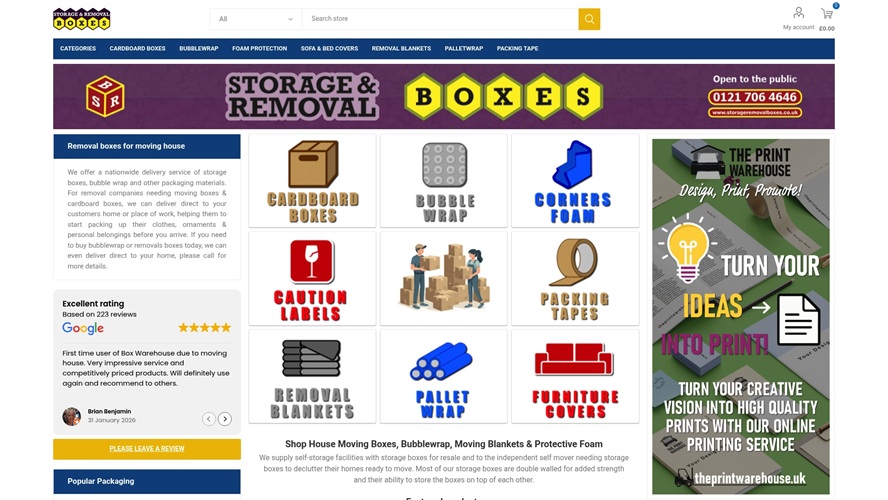
Explore our full catalogue at Storage Removal Boxes, and equip yourself with trusted packaging materials tailored for your unique moving requirements. Don’t delay vulnerable items risk damage every day without proper protection start packing smart today.
Frequently Asked Questions
What types of cardboard boxes are best for moving fragile items?
Double-walled cardboard boxes are ideal for moving fragile items. They provide extra cushioning and strength, ensuring that your valuables are protected from impacts during transit. Use double-walled boxes for anything breakable, like glassware or electronics, to maximise protection.
How can I effectively label my moving boxes for better organisation?
Create a clear labelling system that includes the room name, a description of the contents, and any handling warnings like ‘fragile’ or ‘this side up’. This approach will help movers quickly identify where each box belongs, making unpacking at your new home much smoother. Use colour-coded labels for each room to further streamline this process.
What should I include in my packing kit for a successful move?
A comprehensive packing kit should contain various box sizes, cushioning materials like bubble wrap, strong packing tape, and markers for labelling. Ensure you have everything organised before you start packing, which will save time and reduce stress on moving day. For an average house, having at least 10 medium-sized boxes and cushioning materials should suffice.
How can bubble wrap and foam enhance the protection of my belongings?
Bubble wrap and foam provide essential cushioning to absorb impacts during transit. Wrap fragile items individually with bubble wrap and add foam padding within the boxes to fill gaps. This multi-layer protection system significantly decreases the risk of damage, helping ensure your possessions arrive safely.
Why is using eco-friendly packing materials important for my move?
Opting for eco-friendly packing materials reduces your environmental impact while ensuring reliable protection for your belongings. Sustainable options, such as recycled boxes and biodegradable bubble wrap, demonstrate responsibility and align with growing environmental standards. Aim to use at least 80% renewable resources in your packing materials for a more sustainable move.
How can I use moving blankets to protect my furniture?
Moving blankets are excellent for protecting furniture from scratches and dents during transport. Wrap your furniture securely in these blankets, ensuring to cover corners and edges where damage is likely to occur. Using blankets for all large items can significantly prevent wear and tear, making them a valuable addition to your moving supplies.