Used cardboard boxes: a smart buyer’s guide
TL;DR:
- Used cardboard boxes, especially reclaimed ones, can be a reliable and eco-friendly packing solution if properly inspected and matched to the weight and fragility of contents. Reuse extends material life and reduces environmental impact more effectively than recycling alone, but choosing quality stock and understanding the different grades is essential for safety and durability. Sourcing from local stores and online community groups, then verifying condition before use, ensures cost-effective, sustainable packing for moving, storage, or internal shipping needs.
Whether you are planning a house move, clearing out a storage unit, or shipping goods on a budget, used cardboard boxes are often the first solution people consider. Yet plenty of buyers dismiss second-hand packaging without good reason, assuming it is always flimsy or unreliable. The truth is more nuanced. The industry term for reused packaging cartons is “reclaimed boxes,” and understanding the difference between good and poor quality reclaimed stock is what separates a clever, eco-friendly decision from a costly mistake. This guide covers everything from box grades and sourcing tips to practical applications and creative reuse ideas.
Key takeaways
| Point | Details |
|---|---|
| Grade determines suitability | Single-wall suits light loads; double-wall is needed for heavier or fragile items. |
| Condition is non-negotiable | Only accept boxes that are dry, structurally intact, and free from soft spots or odours. |
| Source matters enormously | Retail stores, community groups, and online marketplaces are reliable places to find quality stock. |
| Reuse beats recycling | Cardboard box reuse extends material life and reduces environmental impact far more than recycling alone. |
| New boxes fill the gaps | For customer-facing shipping or very heavy loads, new double-wall stock is the safer choice. |
Types and grades of used cardboard boxes
Not every cardboard box is built the same, and this is where most buyers go wrong. The corrugated board used to make packaging cartons comes in several constructions, each with a different strength profile and an appropriate set of uses.
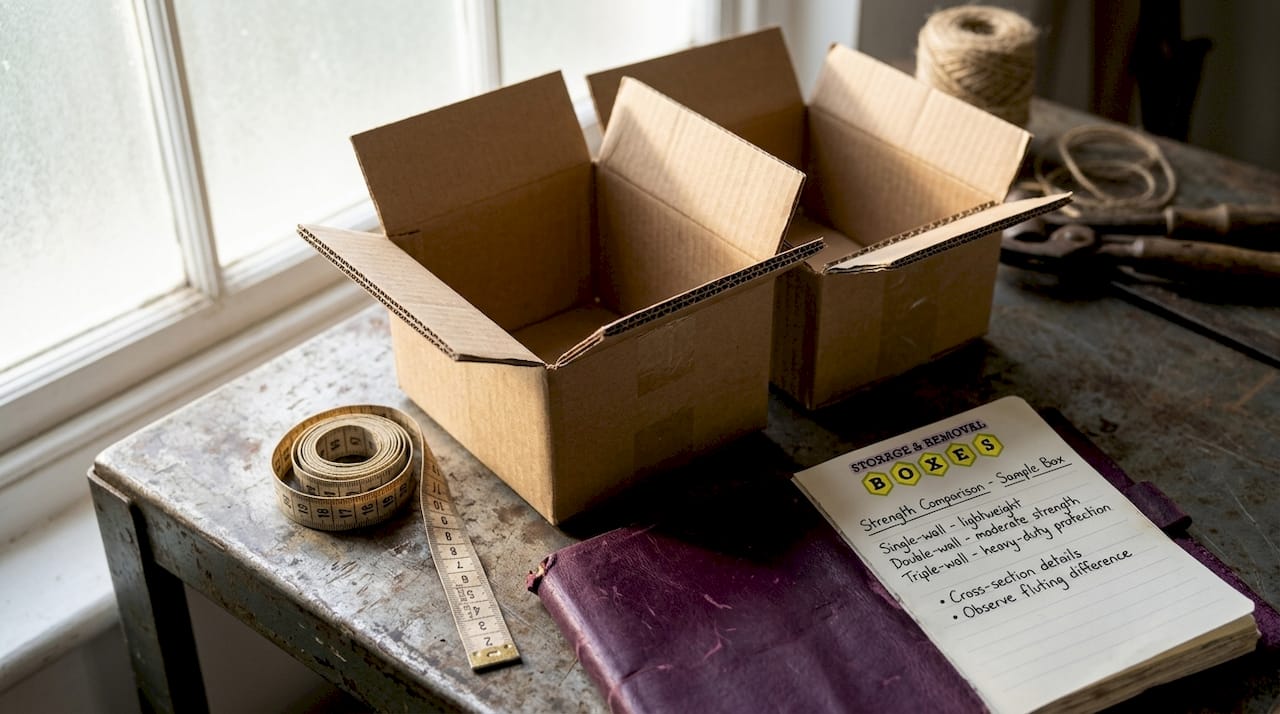
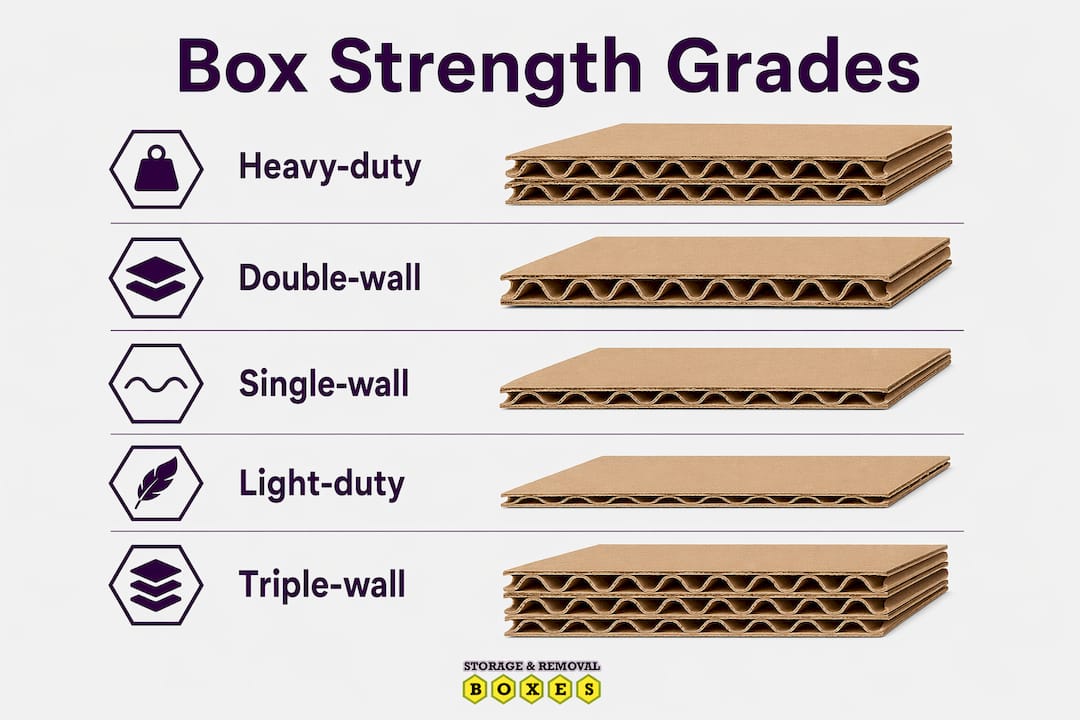
Single-wall construction consists of one fluted layer sandwiched between two flat sheets of liner board. It is light, economical, and perfectly capable of handling books, clothing, kitchenware, or anything else that does not require serious protection. When you come across cardboard boxes second hand at a supermarket or off-licence, these are usually single-wall cartons that have carried soft drinks, cereals, or similar goods.
Double-wall construction adds a second corrugated layer, making the box significantly more rigid and resistant to compression. Double-wall boxes are the right choice for heavier or fragile items and for anything destined for longer-term storage, where the board needs to resist sustained weight over weeks or months. The difference between wall types is not just visual thickness. It translates directly into how much a box can carry before the base gives way.
Heavy-duty and triple-wall cartons sit at the top of the range. As a practical rule, heavy-duty cartons are recommended for loads over 40 to 50 pounds (roughly 18 to 23 kg). Most people never need triple-wall board for domestic use, but small businesses shipping dense products such as tools or auto parts will find it worth seeking out.
Matching grade to your contents
A mistake that crops up constantly is judging box strength purely by how thick the cardboard feels. The flute profile inside the walls matters just as much, because it governs crush resistance. Matching box wall strength to your item’s weight and handling requirements is the reliable method, not a quick squeeze of the sides.
The table below makes the decision straightforward:
| Box type | Best for | Weight guide |
|---|---|---|
| Single-wall | Clothing, books, soft furnishings | Up to 15 kg |
| Double-wall | Kitchenware, tools, fragile items | 15 to 25 kg |
| Heavy-duty | Dense goods, machinery parts | 25 kg and above |
Pro Tip: If you are sourcing second-hand boxes and cannot identify the wall type, fold one open flap gently and look at the cross-section. Count the corrugated layers to confirm the construction before you commit to using it for anything breakable.
How to source quality reclaimed boxes
Finding reliable used cardboard boxes locally and online takes a little knowledge but very little time once you know where to look. Common sources include supermarkets and off-licences, warehouse clubs, recycling centres, removal companies clearing old stock, and online community platforms such as Freecycle or Facebook Marketplace.
Retail stores are particularly useful because their stock tends to arrive in standardised sizes and reasonable condition. Speak to the stock room manager rather than floor staff. They typically remove packaging nightly, and a brief conversation means you can collect a consistent batch rather than rummaging through a mixed skip.
Once you have a source, inspect every box before you load anything into it. Here is what to check:
- Dryness. Press along every seam, corner, and base panel. Any hint of softness or dampness indicates moisture damage that has weakened the board fibres, and no amount of tape will fix that.
- Intact flaps. All four top and bottom flaps should be present and able to close flat. Missing or heavily torn flaps compromise the box’s ability to support stacking weight on top.
- No soft spots or rips. Run your hand over the side panels. Soft patches, even small ones, signal compression or impact damage to the internal flutes.
- No odours. Boxes that have stored food, chemicals, or damp goods carry residues that can transfer to your belongings. If it smells off, leave it behind.
- Old labels. Boxes destined for shipping must have previous barcodes and address labels fully removed or obscured. Old markings can misdirect shipments, so take a few minutes to strip them clean before reuse.
Buying new boxes typically costs between £1 and £4 each in the UK. A clean batch of used stock sourced from a local business or online community can save you a substantial amount, especially if you are moving a full household or running regular shipments as a small business.
Pro Tip: When sourcing from online marketplaces, ask the seller to photograph the base panels and corners, not just the open top. The base is the first area to fail under load, and a photo of the corners under good lighting will reveal any crushing that would otherwise be hidden.
Using second-hand boxes safely for moving and storage
Understanding where reclaimed packaging cartons work brilliantly and where they fall short saves you from unpleasant surprises on moving day or in the warehouse.
For house moves, second-hand boxes are well suited to a wide range of contents. Follow this approach to keep things organised and safe:
- Sort items by weight and fragility before choosing a box grade. Heavy items such as books or ceramics need double-wall stock regardless of whether it is new or reclaimed.
- Reinforce the base of any used box with two strips of quality packing tape, even if it looks solid. Previous use will have stressed the base joins.
- Fill void space inside each box using crumpled paper, foam pouches, or bubble wrap. A half-empty box collapses under stacking weight and leaves contents free to shift.
- Standardise your box sizes where possible. Standardising box sizes reduces packing delays and makes loading a removal van much faster and safer, as uniform stacks are more stable.
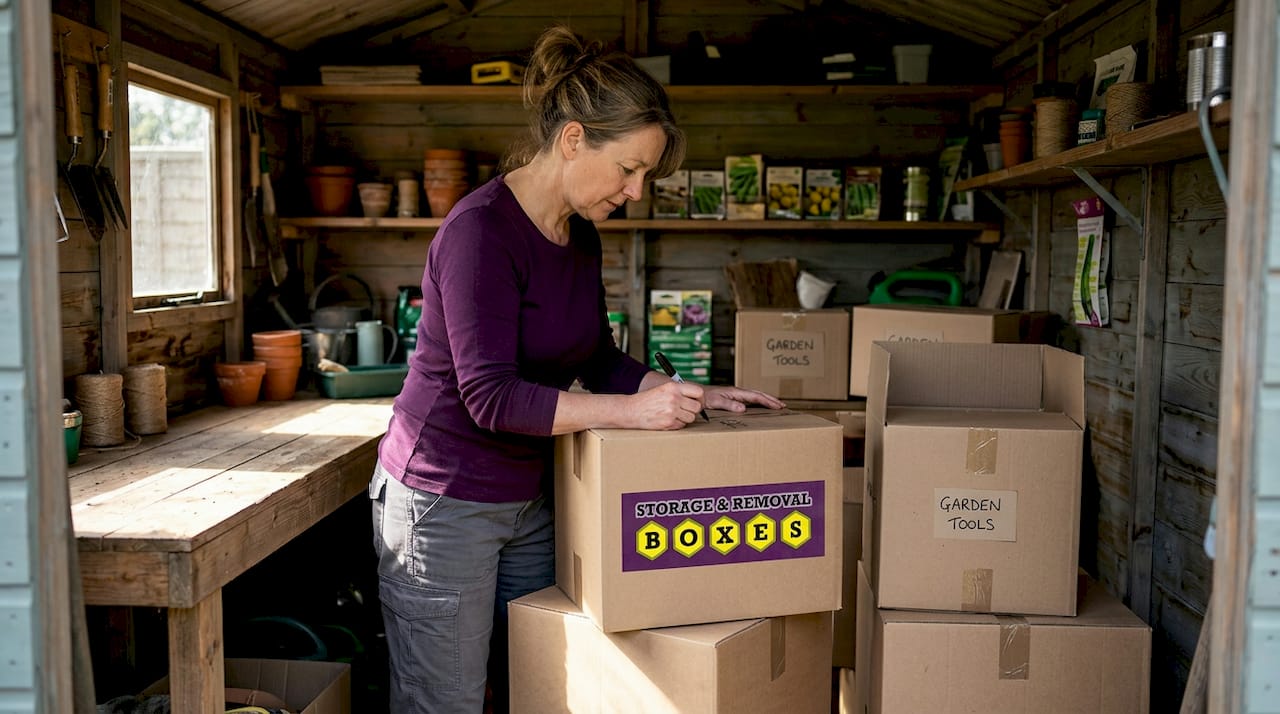
- Label every box on two sides using a bold marker pen. Recycled boxes often have previous writing or printing on them, so use a contrasting colour and write clearly over or beside old markings.
- For long-term storage, avoid stacking boxes more than four or five high, and place the heaviest boxes at the bottom. Used boxes lose structural strength progressively, so stacking pressure compounds existing wear in the board.
For shipping, the picture is more nuanced. Second-hand stock is less suitable when parcels are being sent to customers, particularly if the journey is long or involves courier handling. Boxes lose strength from repeated stacking, bumps, and exposure to moisture, which is why fresh double-wall board is the sensible choice for anything fragile or customer-facing. Internal transfers within a business or warehouse, however, are an excellent use case for reclaimed stock. For those shipping requirements, reviewing a pallet transportation checklist before dispatch helps keep cargo intact regardless of box age.
Creative ways to extend your boxes’ life
Once a box has served its packing purpose, the most environmentally sound step is not the recycling bin. Reusing and creatively repurposing your boxes places them higher in the waste hierarchy, meaning fewer resources are consumed overall. Here are genuinely useful ways to give cardboard a second or third life:
- Home organisation. Cut down medium boxes into drawer dividers or open-top trays for a garage, pantry, or wardrobe. They hold their shape surprisingly well and cost nothing.
- Weed suppression in the garden. Lay large flat cardboard boxes over soil between planting rows, wet them thoroughly, and cover with compost or bark. They block light to weeds, break down naturally over a season, and improve soil structure as they decompose.
- Seedling pots. Small cardboard tubes and the corners of folded boxes make biodegradable seedling pots. Plant them directly into the ground once the seedling is ready, no transplanting trauma involved.
- Children’s play projects. A large box becomes a fort, a rocket, a shop, or a puppet theatre with nothing more than a marker pen and some creativity. Upcycling for crafts and toys is one of the most cited and genuinely practical reasons to hold onto boxes rather than immediately recycling them.
- Pet toys and beds. Cats in particular treat cardboard boxes as prized real estate. Line a box with an old towel and you have a free pet bed. Cut entry holes and you have an activity tunnel.
- Gift and decorative packaging. A plain box covered in kraft paper or painted can become attractive gift packaging. It is a more considered choice than single-use wrapping paper.
The environmental case for cardboard box reuse over immediate recycling is clear. Recycling still requires energy, water, and processing. Reuse skips all of that entirely.
My honest take on buying used boxes
I have watched a lot of people make the same mistake when sourcing reclaimed packaging. They grab any box they can find without checking the base, load it heavy, and then act surprised when it fails halfway through a move. The inspection step feels tedious, but it takes about ten seconds per box. That ten seconds is the entire difference between a smooth operation and wet books on a damp floor.
My personal sourcing preference is small independent retailers, particularly off-licences and hardware shops. Their boxes tend to be uniform in size, well-constructed (often double-wall to handle product weight in transit), and available in bulk if you ask nicely. Online community groups are second on my list, mainly because you can request specific sizes rather than accepting whatever turns up.
On the sustainability side, I genuinely believe cardboard box reuse is one of the most effortless eco-friendly decisions available to anyone moving home or running a small business. It requires no special equipment, no lifestyle change, and no extra expenditure. You are simply choosing to use something once more before it goes for processing. That is a low-effort, high-impact decision, and it should be the default rather than the exception.
Do not, however, let the appeal of free boxes push you into using compromised stock for anything that matters. When contents are fragile, heavy, or valuable, a few pounds spent on new double-wall stock is money very well spent.
— Adrian
Get the right boxes from Storageremovalboxes
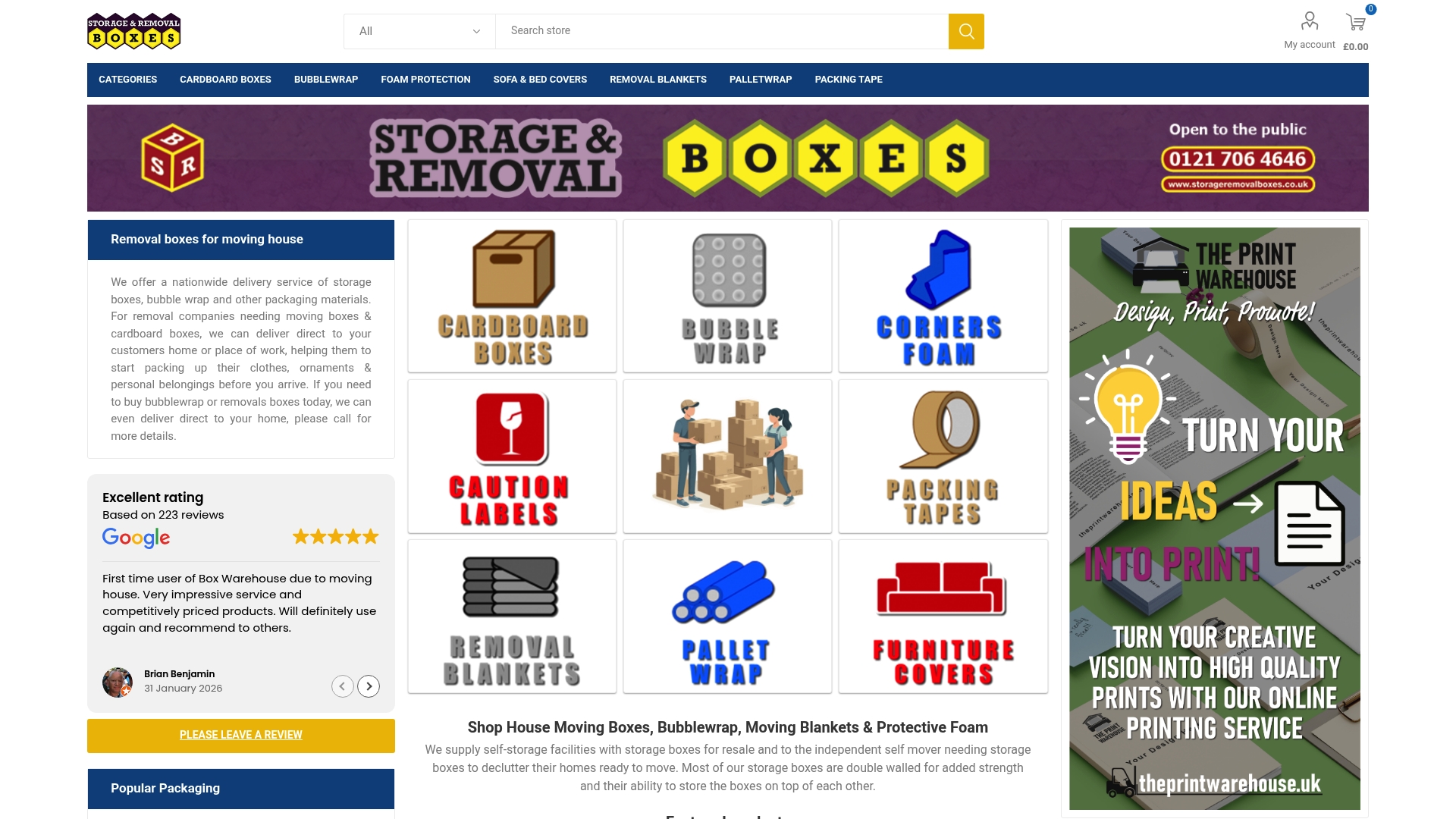
If sourcing reliable second-hand stock feels like more effort than it is worth, Storageremovalboxes has you covered. The site stocks a full range of moving and storage boxes at competitive prices, including tall double-wall removal boxes built to handle the heaviest household loads, alongside economical single-wall options for lighter items. Every box is made from recyclable materials, so you are still making an environmentally sound choice. The site also stocks packing tape, foam protectors, marker pens for labelling, and full removal kits if you want everything sorted in a single order. UK-wide delivery and bulk discounts make it a practical choice for both individuals and businesses.
Common questions
What makes a used cardboard box safe to reuse?
A box is safe to reuse when it is completely dry, structurally intact on all panels and flaps, free from soft spots or rips, and has no strong odours. Condition criteria such as these confirm the board fibres have not been compromised by moisture or impact damage.
Are used boxes suitable for shipping to customers?
Generally no. Used boxes lose strength through repeated handling and exposure to moisture, making them less reliable for external shipments where items may be fragile or the journey is long. New double-wall stock is the safer option for customer-facing deliveries.
Where is the best place to find second-hand packing boxes?
Supermarkets, off-licences, warehouse clubs, and online community platforms such as Freecycle or Facebook Marketplace are the most reliable sources for free or low-cost used boxes in good condition.
How do I tell single-wall from double-wall cardboard?
Fold back an open flap and look at the exposed edge of the board. A single-wall box shows one fluted layer between two liner sheets. A double-wall box shows two separate fluted layers with a middle liner between them.
Is reusing cardboard boxes better for the environment than recycling?
Yes. Reuse sits higher in the waste hierarchy than recycling because it extends material life without the energy, water, and processing that recycling requires. Prioritising reuse first, then recycling, gives cardboard the most sustainable second life possible.