What is bulk packing? Your practical guide for 2026
TL;DR:
- Bulk packing consolidates goods into large containers to cut per-unit costs and improve shipping efficiency. It offers significant savings, better supply chain stability, and consistent quality, especially when planned carefully with the right materials. Proper bulk packing is a strategic decision that requires assessing needs, selecting suitable materials, and factoring in total costs to avoid damage and operational disruptions.
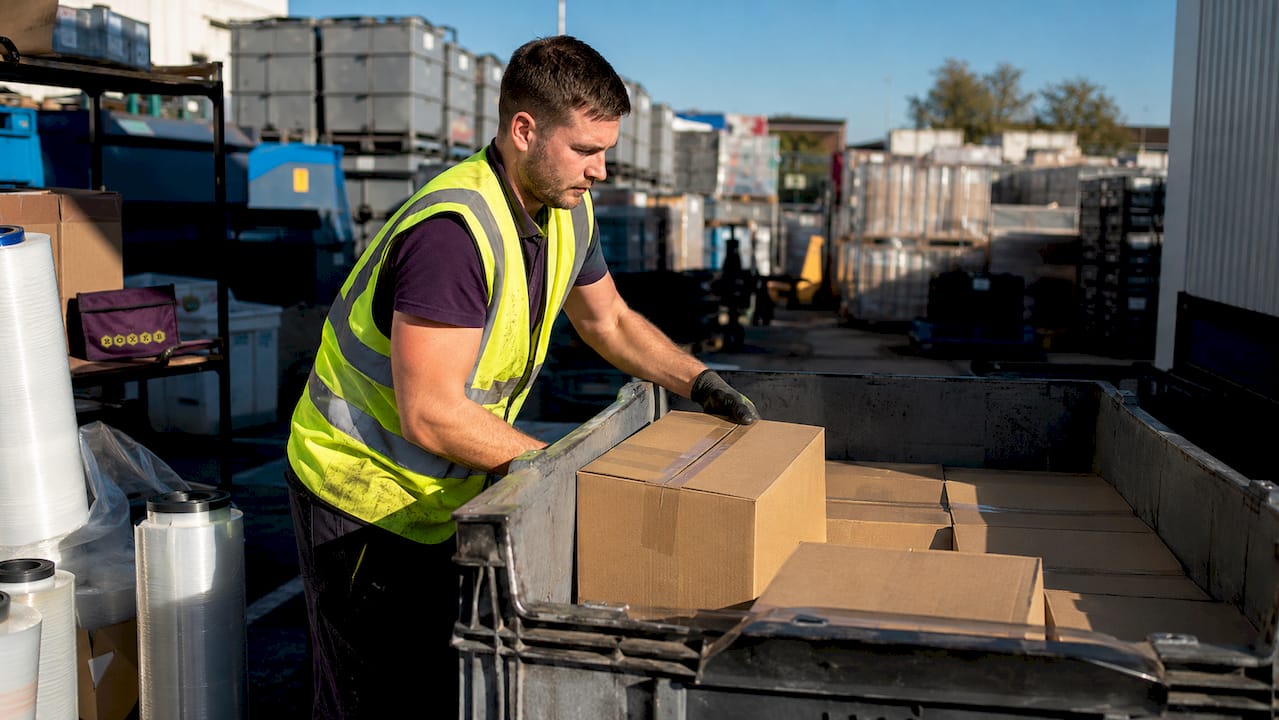
Bulk packing is the practice of consolidating large quantities of goods into a single transport vessel or grouped containment to reduce per-unit costs and improve shipping efficiency. Formally, bulk packaging thresholds cover containers holding over 119 gallons of liquid, 882 pounds of solid material, or gas containers exceeding 1,000 pounds of water capacity. In practice, the term applies broadly to any strategy where volume ordering replaces individual unit packaging. For businesses and households preparing a move or shipment, understanding bulk packing means understanding where real savings come from and how to protect goods at scale.
What is bulk packing and why does it matter?
Bulk packing is defined as the grouping or consolidation of multiple units into a single transport vessel or container to optimise space, reduce handling, and cut per-unit costs. The industry uses terms like “bulk packaging” and “volume packaging” interchangeably, but the principle is the same: ship more, spend less per item. Common containers include intermediate bulk containers (IBCs) for liquids, flexible intermediate bulk containers (FIBCs or “bulk bags”) for granular solids, and corrugated bulk boxes for general goods.
Bulk packaging consolidates units into a single transport vessel like IBC containers or FIBC bulk bags to optimise space and shipping efficiency. This matters because every additional container you ship adds handling fees, fuel costs, and administrative time. Grouping goods into fewer, larger units removes those layers of cost at every stage of the supply chain.
For households moving home, bulk packing takes a different form. It means buying removal boxes, bubble wrap, and packing tape in volume rather than picking up a few rolls at a time from a local shop. The principle is identical: buy more upfront, pay less per unit, and avoid repeated trips or reorders mid-move.
What are the primary benefits of bulk packing?
The financial case for bulk packing is straightforward. Businesses ordering 1,000+ units typically achieve 20–40% savings on per-unit packaging costs. That figure compounds quickly across a full shipment or removal project.
The benefits extend well beyond the price tag:
- Lower per-unit cost. Ordering in volume reduces the cost of each box, roll, or bag. For a three-bedroom house move, buying 50 boxes at once costs significantly less per box than buying them in batches of ten.
- Fewer orders, less admin. Bulk purchasing reduces order frequency from monthly to quarterly, freeing time previously spent on procurement, invoice processing, and chasing deliveries.
- Supply chain stability. Bulk purchasing stabilises supply by reducing panic buying and emergency orders, which cuts operational downtime and improves planning reliability.
- Consistent quality. Ordering from a single bulk supplier locks in box thickness, seal strength, and material specification. That consistency reduces the risk of damaged goods and customer complaints.
- Reduced shipping frequency. Fewer, larger shipments mean lower transport costs and a smaller carbon footprint per unit moved.
Bulk packaging as a strategic investment locks in quality specifications, ensuring consistency and reducing returns. This point is often overlooked. Most people focus on the upfront price saving and miss the downstream benefit of fewer damaged items and fewer reorders caused by substandard materials.
Pro Tip: If you are planning a house move, calculate the total number of boxes you expect to need, then add 20%. Running out of boxes mid-pack is far more disruptive than having a few left over.
Which materials are used in bulk packing?
The right material depends entirely on what you are packing and how it will travel. The table below covers the most common bulk packaging materials and their typical applications.
| Material | Best for | Key consideration |
|---|---|---|
| Corrugated bulk boxes (double-wall) | General goods, books, kitchenware | High stacking strength; choose double-wall for heavy items |
| IBC containers | Liquids, chemicals, food-grade products | Rigid frame; reusable; requires forklift handling |
| FIBC bulk bags | Granular solids, powders, agricultural goods | Flexible; lightweight; single-use or multi-trip rated |
| Bubble wrap rolls | Fragile items, glassware, electronics | Wrap individually before boxing; wide rolls cover large surfaces faster |
| Foam corner protection | Furniture edges, picture frames, mirrors | Prevents impact damage during transit and storage |
| Moving blankets | Large furniture, appliances | Reusable; protects surfaces from scratches and knocks |
For most UK house moves and small business shipments, corrugated cardboard boxes are the workhorse of bulk packing. Cubed cardboard boxes in double-wall construction handle the widest range of goods and stack reliably in a removal van or storage unit.

Protective materials matter as much as the outer container. Bubble wrap, foam corner guards, and moving blankets prevent damage during transit. Without adequate internal protection, even the strongest box will not stop a fragile item from breaking if it shifts in transit.
Bulk packing often involves loose, non-compartmentalised containment, requiring different internal warehouse handling compared to retail packaging. In practice, this means staff extract goods by volume rather than picking individual units. For a home mover, the equivalent is packing a box fully and uniformly rather than leaving gaps that allow contents to shift.
Pro Tip: Use packing tape and strapping rated for the weight of your boxes. A double-wall box filled with books needs reinforced tape on the base, not standard parcel tape.
Bulk packing vs retail packing: what is the difference?
The distinction between bulk packing and retail packing is one of intent and scale. Retail packaging is designed for the end consumer. It is sized for a single product, branded for shelf appeal, and built to be opened once. Bulk packaging is designed for logistics. It prioritises volume, protection during transit, and cost per unit over presentation.
| Packaging type | Primary purpose | Typical unit size | Cost per unit | Handling method |
|---|---|---|---|---|
| Retail packaging | Consumer presentation | Single item | High | Manual, shelf-ready |
| Bulk packaging | Volume transport | Multiple items or large volume | Low | Mechanical or volume-based |
| Non-bulk grouped packaging | Mid-scale distribution | Small batches | Medium | Mixed manual and mechanical |
The practical implication for a business or mover is clear. If you are shipping 500 identical items to a warehouse, bulk packaging is the correct method. If you are shipping ten items to ten different customers, retail packaging serves better. Most removal projects sit in the middle: you need bulk quantities of materials, but each box is packed individually for a specific room or category.
Suitability also depends on product type. Fragile goods need individual wrapping regardless of the outer container size. Dense, uniform goods like books or tinned food pack efficiently into bulk boxes without additional internal protection. Mixed loads, which are common in house moves, require a combination of both approaches.
How to bulk pack items safely and effectively
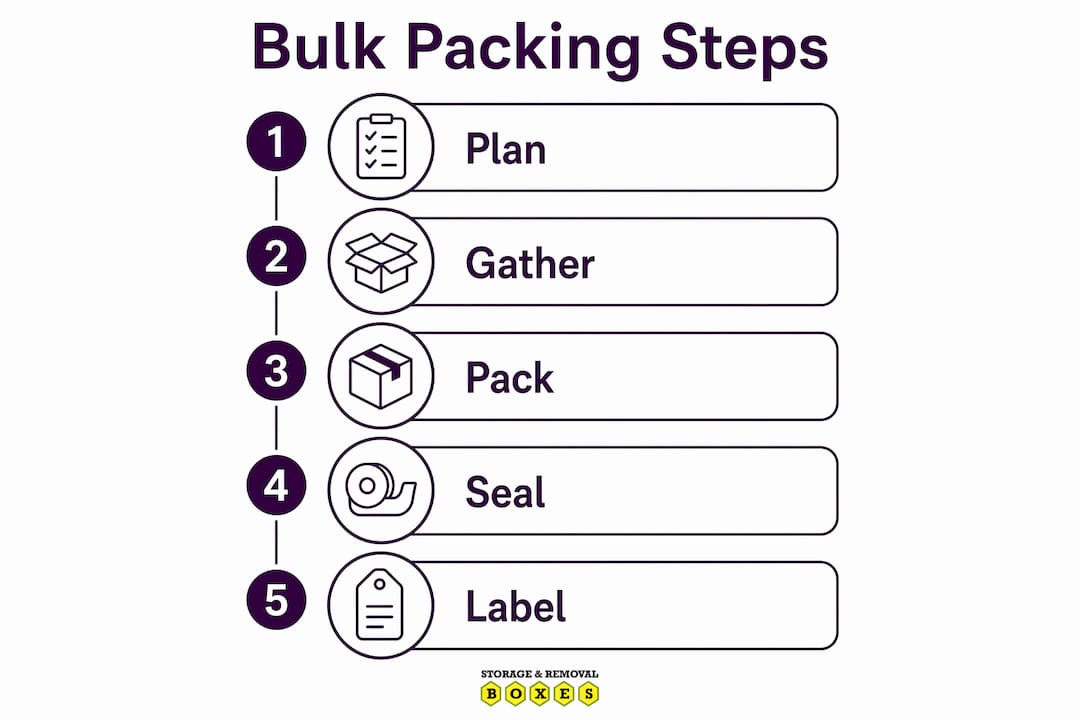
Effective bulk packing is a planning exercise as much as a physical one. Follow these steps to protect your goods and get the most from your materials.
Assess weight and density first. Heavy items like books and tools go into smaller boxes. Lighter items like bedding and clothing suit larger boxes. Mixing heavy and light items in one large box creates an unmanageable, unstable load.
Calculate your total material requirement before ordering. Count rooms, estimate box numbers per room, and add a buffer. Ordering everything at once from a supplier like Storageremovalboxes costs less per unit and avoids mid-project shortages.
Choose the right box grade. Single-wall boxes suit light loads and short moves. Double-wall boxes are the correct choice for heavy goods, long-distance moves, or storage. The industry standards for packing set clear guidance on box grades for different load types.
Protect before you box. Wrap fragile items in bubble wrap individually. Use foam corner protection on picture frames and mirrors. Layer moving blankets over furniture before loading the van.
Plan your storage space. Self-storage in logistics works best when boxes are uniform in size. Stacking mixed sizes wastes vertical space and creates instability.
Label every box clearly. Mark the contents, destination room, and handling instructions on every box before it is sealed. A black marker pen and a consistent labelling system saves significant time at the other end.
Pro Tip: Choosing between local and online bulk purchasing depends on product density and weight. Light, high-volume materials like bubble wrap suit online ordering well. Very heavy materials may cost more to ship than you save on the unit price, so calculate your landed cost before committing.
A common mistake is prioritising the lowest price per unit without checking material quality. Cheapest bulk materials often suffer poor structural integrity, causing increased costs from damage, complaints, and returns that exceed the initial savings. A box that fails mid-move costs far more than the difference between a budget and a quality product.
Key takeaways
Bulk packing delivers the greatest value when volume, quality, and planning work together rather than treating price as the only variable.
| Point | Details |
|---|---|
| Bulk packing definition | Consolidating goods into large-volume containers or orders to reduce per-unit cost and improve logistics efficiency. |
| Cost savings are real but conditional | Businesses ordering at volume achieve 20–40% savings, but only when material quality and landed costs are factored in. |
| Material choice determines protection | Double-wall boxes, bubble wrap, foam guards, and moving blankets each serve a specific protective role in bulk packing. |
| Bulk differs from retail packaging | Retail packaging prioritises presentation; bulk packaging prioritises volume, transit protection, and cost per unit. |
| Plan before you order | Calculate total material needs upfront, add a buffer, and order in one batch to maximise savings and avoid shortages. |
Why bulk packing is a strategic decision, not just a cost-cutting exercise
I have seen the same mistake made repeatedly by people preparing for a move or scaling up a shipping operation. They focus entirely on the price per box and ignore everything else. The result is a garage full of flimsy single-wall boxes that collapse under a moderate load, or a shipment of bubble wrap so thin it offers no real protection.
Bulk packing done properly is a planning discipline. The savings are genuine. Aligning bulk packaging orders with demand forecasts prevents operational disruptions and reduces emergency reorder stress. But those savings only materialise if you have bought the right materials in the right quantities at the right time.
The other trap I see is ignoring landed cost. Shipping very heavy bulk materials over long distances can negate per-unit cost savings entirely. A pallet of heavy-duty boxes ordered from a distant supplier at a lower unit price can end up costing more than the same boxes sourced closer to home. Calculate the all-in cost before you commit.
My honest recommendation is to treat your packaging order the way you treat any other operational decision: specify what you need, buy quality, buy enough, and buy it once. The time and money saved by not reordering mid-project or dealing with damaged goods is worth more than the marginal saving on a cheaper box.
Stock up for your move with Storage Removal Boxes
Whether you are packing a single room or an entire business premises, having the right materials in sufficient quantity makes the difference between a smooth move and a stressful one.
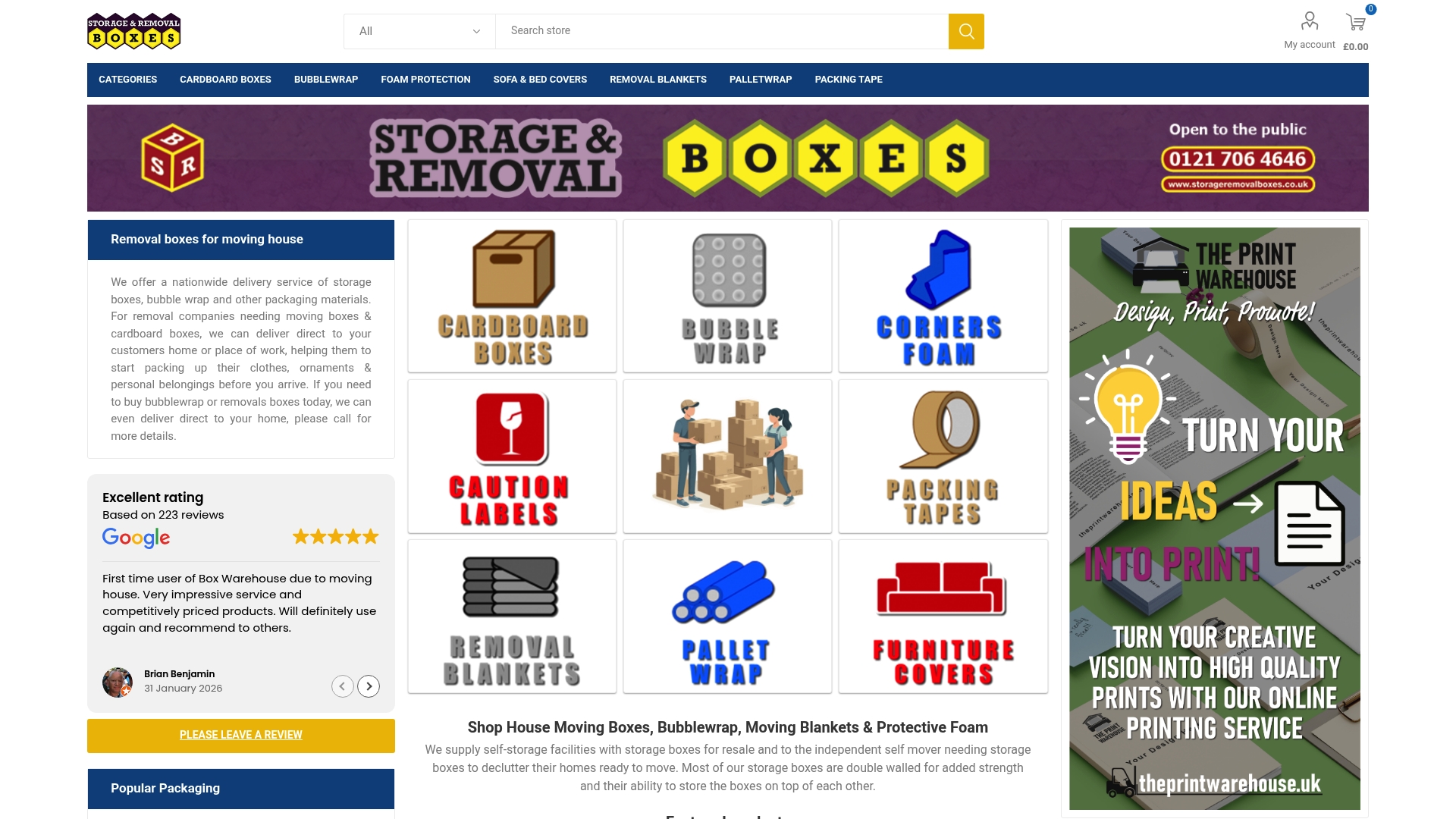
Storageremovalboxes stocks a full range of double-wall removal boxes built for the demands of UK moves and shipments, alongside bubble wrap, foam protection, moving blankets, and packing tape. Every product is made from durable, recyclable materials and rated for the loads you will actually be moving. You can browse the complete bulk packing range and order everything you need in one delivery, with nationwide shipping across the UK. Buying in volume through Storageremovalboxes means lower per-unit costs and no mid-move shortages.
FAQ
What is the bulk packing definition in simple terms?
Bulk packing is the practice of packaging goods in large quantities within a single container or order to reduce per-unit costs and improve transport efficiency. It applies to both industrial shipments and everyday moves.
Is bulk packing cost-effective for a house move?
Yes. Buying removal boxes, bubble wrap, and tape in volume typically reduces per-unit costs by 20–40% compared to buying in small batches. The saving is greatest when you calculate your full requirement upfront and order in one batch.
What materials do I need for bulk packing a home removal?
The core materials are double-wall cardboard boxes in mixed sizes, bubble wrap rolls for fragile items, foam corner protection for furniture, moving blankets for large pieces, and reinforced packing tape. Buying these together in bulk from a single supplier reduces cost and simplifies delivery.
How does bulk packing differ from retail packaging?
Retail packaging is designed for consumer presentation and single-item use. Bulk packaging is designed for volume transport, prioritising protection during transit and low cost per unit over appearance or individual compartmentalisation.
Why buy packing materials online rather than from a local shop?
Online bulk purchasing from a specialist supplier like Storageremovalboxes gives you access to a wider range of grades and sizes, lower per-unit prices, and the convenience of a single delivery. For light, high-volume materials like bubble wrap, online ordering consistently offers better value than local retail.