What is safe storage? Your guide to protecting fragile items
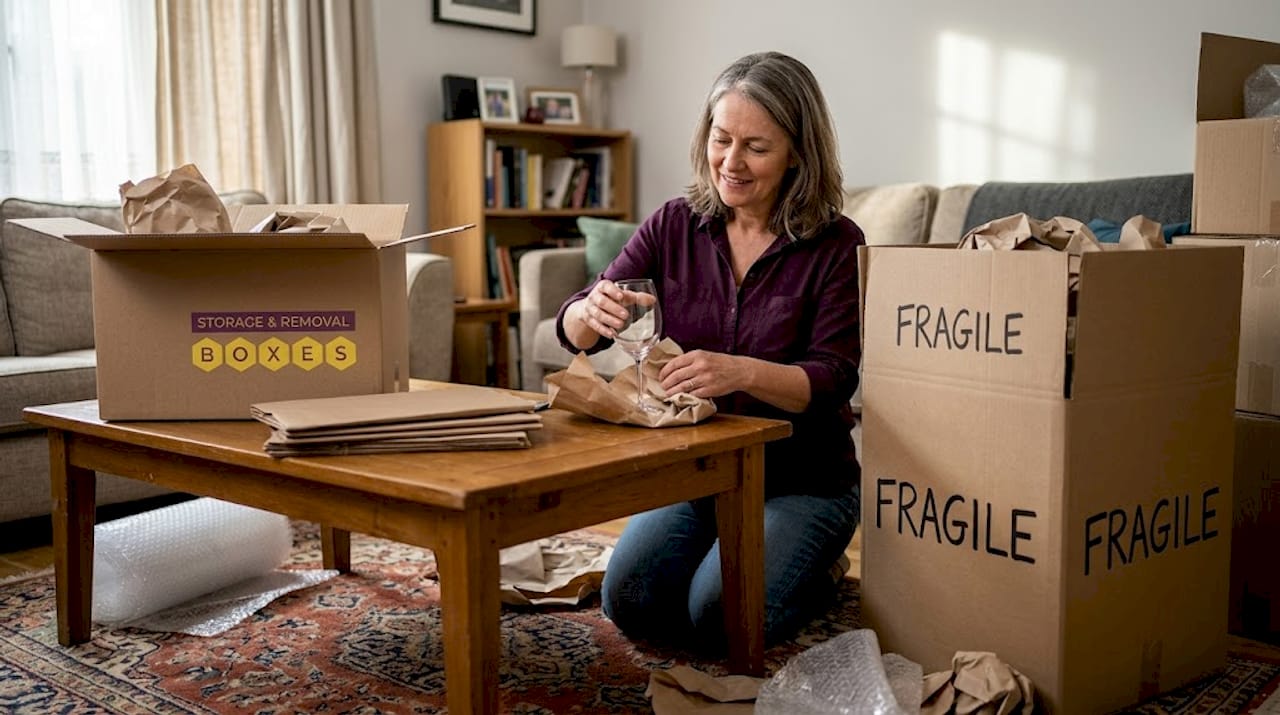
- Safe storage requires structural integrity, shock absorption, and correct labeling, not just boxes and bubble wrap.
- Using purpose-built double-wall boxes, proper padding, and clear labels significantly reduces fracture risk.
- Choosing climate-controlled facilities and proper stacking practices ensures long-term protection for fragile items.
Many homeowners and renters assume that grabbing a few spare boxes from the supermarket and wrapping breakables in newspaper is perfectly adequate for storage. It is not. True safe storage for fragile items requires structural strength, correct materials, thoughtful placement, and accurate labelling working together. Get any one of those elements wrong, and a cherished piece of glassware or an expensive piece of electronics can be damaged before you even realise there was a problem. This article walks you through exactly what safe storage means in practice, which materials genuinely protect your belongings, and the mistakes you must avoid.
Key Takeaways
| Point | Details |
|---|---|
| Safe storage defined | It means actively protecting fragile items with the right materials, not just using any old box. |
| Materials matter | Double-wall boxes, foam padding, and bubble wrap offer much better protection than reused or weak alternatives. |
| Choose storage wisely | Where you store items—home, mobile, or self-storage—affects safety as much as how you pack them. |
| Avoid common mistakes | Overfilling boxes, poor labelling, and ignoring the environment lead to preventable breakage. |
| Expert tips | Store breakables above ground, check for damp, and invest in specialist packing products for true peace of mind. |
Defining safe storage: beyond boxes and bubble wrap
Safe storage is not simply a matter of finding a box and filling it. It is a system. That system has three foundations: structural integrity, meaning the box itself will not collapse under weight or over time; shock absorption, meaning the packing materials inside cushion against vibration and impact; and correct labelling, meaning anyone handling or stacking those boxes knows precisely what is inside and how it must be treated.
Here is a useful way to think about it:
Safe storage means creating a protective environment around your item at every stage, from the moment it is packed to the moment it is retrieved, whether that is two weeks or two years later.
Many people rely on solutions that fall short of this standard. Reusing grocery boxes, for example, is a common habit. Those boxes have already been compressed, their walls weakened, and their flaps stressed. They may hold together long enough for you to feel confident, then fail under load. Similarly, not all bubble wrap behaves the same way. Thin, single-layer bubble wrap provides minimal cushioning for heavy ceramics or glassware. Simply using any box or leftover bubble wrap can leave breakables at serious risk.
Common myths worth dispelling:
- All boxes are the same. They are not. Single-wall boxes are suitable for light items only; double-wall boxes offer significantly more protection.
- Bubble wrap always works. Only if it is thick enough, applied correctly, and not reused after it has already been compressed.
- New boxes are a waste of money. Purpose-built storage removal boxes are engineered to specific weight tolerances, something a recycled box cannot guarantee.
- Labelling is optional. Labels are the final safety net. Without them, even perfectly packed boxes can be stacked incorrectly or mishandled.
For renters in the UK, this is especially relevant. Short-term self-storage between tenancies, mobile storage pods, or moving boxes piled in a friend’s garage all expose your items to real risk. Understanding box standards for safe transit before you pack is not over-preparation. It is simply avoiding an expensive mistake.
Key materials and packing methods for fragile storage
With a clear understanding of what defines safe storage, the next step is mastering the materials and techniques that actually do the job. The good news is that this does not require specialist knowledge. It requires using the right products and following a logical sequence.
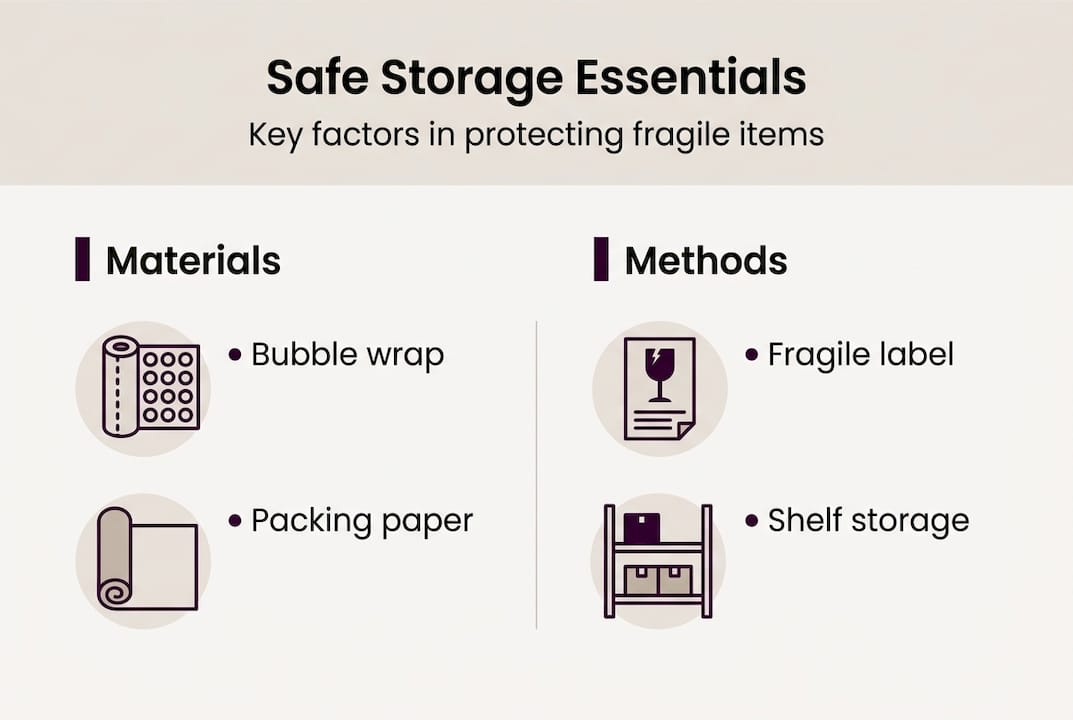
Essential materials for fragile items:
- Double-wall cardboard boxes: far stronger than single-wall alternatives, able to bear stacking weight without buckling
- Bubble wrap: use multi-layer or large-bubble wrap for heavier items, small-bubble wrap for delicate surfaces
- Packing paper or tissue paper: wraps individual items cleanly without scratching surfaces
- Foam padding or foam rolls: ideal for electronics, picture frames, and anything with flat surfaces
- Moving blankets: excellent for larger fragile items like mirrors or antique furniture
Double-walled boxes and proper padding can dramatically reduce breakage during transit or in storage, and self-storage box options are designed specifically with these requirements in mind.
Packing sequence for maximum safety:
- Line the bottom of the box with at least 5 cm of crumpled packing paper or foam.
- Wrap each fragile item individually in packing paper, then add a layer of bubble wrap.
- Place heavier items at the bottom of the box, lighter ones on top.
- Fill all gaps with packing paper or foam to prevent movement.
- Test by gently shaking the sealed box. If you hear or feel movement, add more padding.
- Seal with strong packing tape and apply a FRAGILE label on all visible sides.
Pro Tip: Never be tempted to overfill a box to save on boxes. An overfilled box becomes too heavy to lift safely, and bulging sides compromise the structural integrity, making stacking dangerous.
| Item | Recommended material | Packing method |
|---|---|---|
| Glassware | Bubble wrap, packing paper | Wrap individually, upright position |
| Ceramics | Foam padding, packing paper | Layer between foam sheets |
| Electronics | Anti-static foam, original box if possible | Double-box if no original packaging |
| Artwork / frames | Bubble wrap, corner protectors | Stand on edge, never flat |
| Mirrors | Moving blanket, cardboard edges | Always vertical, padded corners |
Fragile labelling is not cosmetic. It communicates to removal crews, storage facility staff, and anyone else handling your boxes that stacking weight or rough placement could cause damage. Never skip it.
Choosing the right storage solution: home, mobile, or self-storage?
Having chosen the right materials and packing method, it is crucial to match your efforts with the best storage location for your situation. The environment in which you store fragile items is just as important as how they are packed. The choice of storage environment directly impacts the level of protection for fragile goods.
| Storage type | Cost | Access | Climate control | Best for fragile items? |
|---|---|---|---|---|
| Home (loft/garage) | Low | Immediate | None | Only if dry and stable |
| Mobile self-storage pod | Medium | Scheduled | Rarely included | Short-term moves |
| Traditional self-storage unit | Medium to high | Flexible | Available as upgrade | Best option overall |
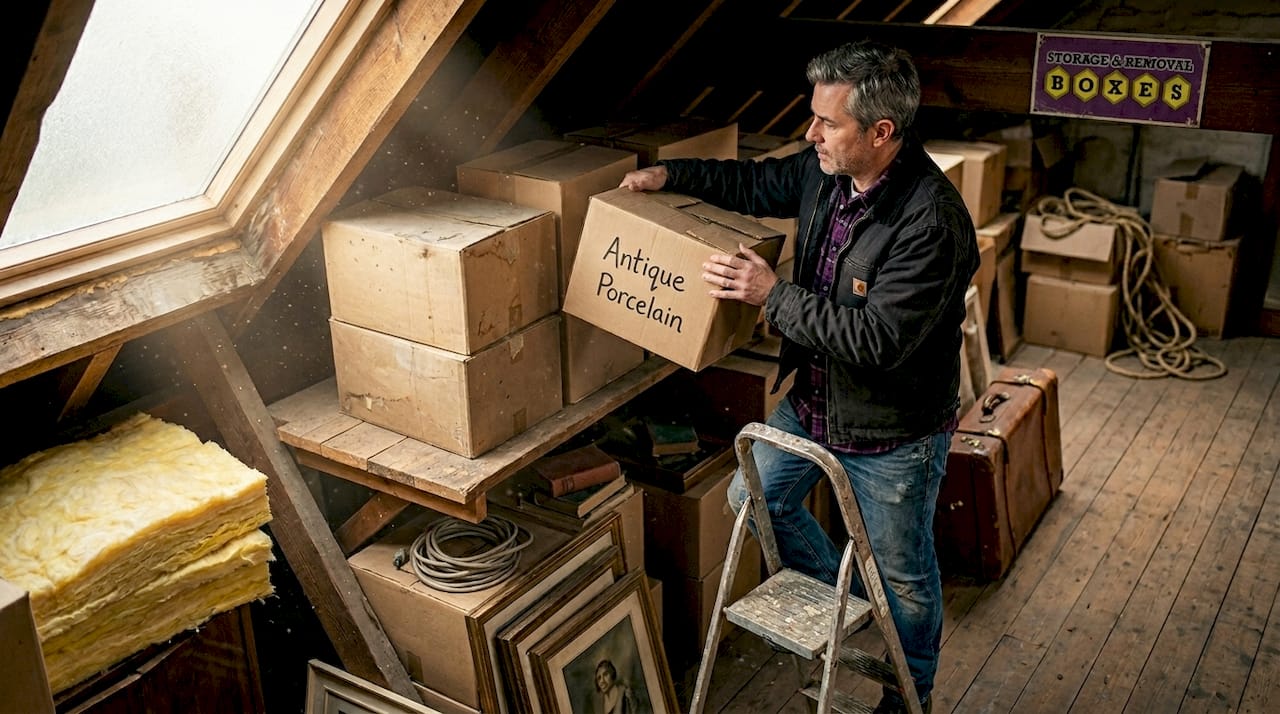
Home storage is appealing because it is free and accessible. However, lofts experience extreme temperature swings between seasons, and garages are frequently damp. Neither is suitable for antiques, electronics, or anything moisture-sensitive.
Mobile self-storage is convenient for house moves and short-term needs, but these pods often sit outside exposed to weather, so the quality of your packing matters even more. Traditional self-storage units, particularly those offering climate control, provide the most consistent environment for fragile valuables.
Key factors to consider when choosing:
- Item value: High-value items justify the cost of a climate-controlled unit
- Access frequency: If you need regular access, a nearby self-storage facility is more practical
- Duration: Long-term storage in a damp garage is far riskier than six months in a professional unit
- Insurance: Check whether the facility or your home contents policy covers items in storage
You can explore the full storage product range to find materials suited to each of these environments.
Red flags when assessing any storage location:
- Visible damp patches or condensation on walls
- Poor or no lighting, making it difficult to spot damage
- Unsecured locks or shared access without audit trails
- No pest control measures in place
- Direct exposure to sunlight through windows or gaps
If any of these apply, either address them before storing valuables or choose a different location entirely.
Avoiding common mistakes and extra tips for safe storage
Now that you know where to store, it is vital to avoid the mistakes that cause the most damage, and follow the practical steps that professionals rely on. Improper stacking and ignoring climate threats are among the leading causes of damage in storage, and both are entirely preventable.
Common mistakes that lead to breakages:
- Overfilling boxes so they bulge and cannot be stacked flat
- Using the wrong size box, leaving items moving inside
- Forgetting to label boxes as fragile or indicating which side is up
- Placing boxes directly on a cold, damp concrete floor
- Skipping contents insurance because it feels unnecessary
Steps to complete before leaving items in storage:
- Photograph everything before packing, for insurance purposes.
- Create a numbered list of each box and its contents.
- Double-check all boxes are sealed with reinforced tape.
- Ensure fragile labels are applied to all sides, including the top.
- Confirm your storage environment is dry, with no signs of moisture.
- Stack boxes correctly: heaviest at the bottom, fragile boxes on top.
- Leave an access path so you can reach boxes without moving everything.
Pro Tip: Always store breakable items above ground level on shelves or pallets, and keep them away from exterior walls. Exterior walls are the first to absorb damp, and floor-level boxes are most vulnerable to flooding and pests.
Regular checks are essential, especially for longer-term storage. Visit your quality storage boxes every few weeks if possible and look for early signs of moisture, mould, or pest activity. Catching a problem early can be the difference between salvaging your belongings and losing them entirely.
If you are storing items of significant monetary or sentimental value, do not hesitate to consult a professional removal or storage company. The removals guide offers useful guidance on when and how to bring in expert support.
Why most people underestimate the risks of ‘just putting things away’
There is a very human tendency to assume that once something is packed up and placed in a box, the job is done. It feels safe. It feels organised. But from years of supplying packing materials to homeowners, renters, and removal professionals across the UK, we have seen the same pattern repeated: people invest time and care in choosing what to keep, then rush through the part that actually protects those things.
Supermarket boxes are the most common false economy we encounter. They feel sturdy in the shop. Under stacking weight over several weeks, they compress, warp, and fail. Damp, temperature shifts, and even minor pests cause damage that a purpose-built double-wall box would have resisted. The cost difference between a recycled box and a proper removal box is trivial compared to replacing a damaged item.
True safe storage is preventative, not reactive. It means making deliberate choices before anything goes wrong, not scrambling to assess damage when boxes are eventually unpacked.
Upgrade your storage: products that truly protect
You now have a clear picture of what safe storage actually involves. The difference between a broken item and an intact one almost always comes down to the quality of materials used at the packing stage.
At Storage Removal Boxes, we supply everything you need to store fragile items with confidence. Our double wall removal boxes are purpose-built for stacking and long-term storage, engineered to protect where generic boxes fail. Pair them with our foam protection options for electronics and ceramics, and our wide bubble wrap rolls for glassware and delicate surfaces. All products are made from recyclable materials and delivered nationwide, so your next move or storage period starts on the right footing.
Frequently asked questions
What is the difference between safe storage and regular storage?
Safe storage involves dedicated methods and materials, not just putting things in any available box. Regular storage often uses unspecialised boxes or inadequate packing, leaving fragile items vulnerable to breakage.
What items need special packing for safe storage?
Fragile items like glass and electronics benefit most from specialist packing and purpose-built boxes. Ceramics, artwork, collectibles, and antiques also require proper padding and careful placement.
Is climate control necessary for safe storage of valuables?
Climate control is strongly recommended for antiques, artwork, and electronics, as it prevents damage from humidity and temperature fluctuations that are common in garages and lofts.
How do I stack boxes safely in storage?
Stacking method affects breakage rates significantly. Place heavier boxes at the bottom, lighter ones on top, and keep fragile boxes off the floor and away from exterior walls to reduce moisture and impact risk.