Why proper packing matters for a safe move
TL;DR:
- Proper packing involves securing belongings to prevent movement and damage during transit. It significantly reduces risks of breakage and costly replacements, especially for fragile items. Starting early and using appropriate materials and techniques ensures a safer, more efficient move.
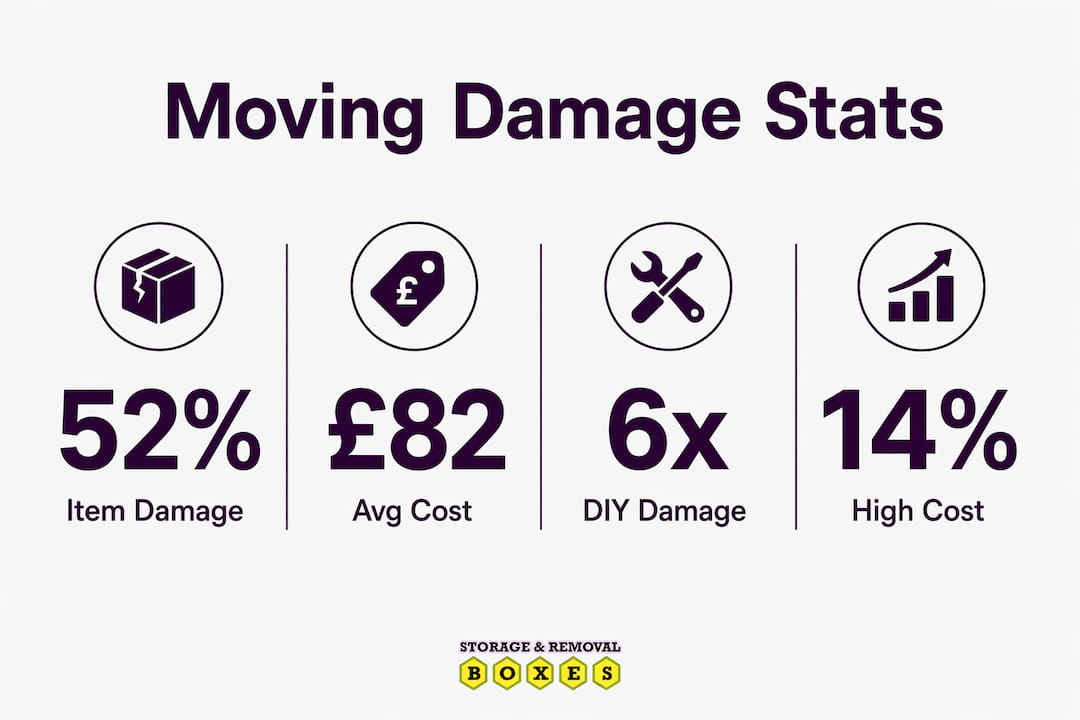
Proper packing is defined as the systematic securing of belongings to prevent movement, impact damage, and loss during transit. For anyone planning a house move or transporting fragile items, it is the single most important factor in whether your possessions arrive intact. 52% of people break an average of four items per move, each costing around £82 to replace. That figure alone makes the case for taking packing seriously before a single box is taped shut.
Why proper packing matters: the real cost of getting it wrong
The financial damage from poor packing adds up faster than most people expect. 52% of movers break an average of four items, with 14% spending over £150 on replacements after a single move. That is money spent replacing things you already owned, simply because they were not packed well enough.
“The cost of replacing broken items after a move is almost always higher than the cost of buying proper packing materials beforehand. Skimping on bubble wrap to save £20 can easily result in a £200 replacement bill.”
The emotional cost is harder to quantify but just as real. A cracked wedding gift, a shattered family heirloom, or a scratched piece of furniture bought with years of savings carries weight beyond its monetary value. Once those items are gone, no insurance payout fully compensates for them.
Rushed packing compounds both problems. Many DIY packers delay starting until the final 48 hours, which means fragile items get thrown into boxes without adequate padding. The result is almost always at least one box of breakables travelling without enough protection. The financial and emotional consequences of improper packing are entirely avoidable with the right approach and materials.
How does poor packing cause damage, and what are the common mistakes?
Proper packing is fundamentally about controlling internal item movement to prevent impact damage during transit. When items shift inside a box, they collide with each other and with the box walls. That movement, repeated across dozens of road bumps and van corners, is what breaks things.
The most common DIY mistakes are predictable and preventable:
- Stacking plates flat. Plates are far stronger on their edge. Stacking them flat concentrates weight on the surface and causes cracking under pressure.
- Under-padding. Leaving air gaps inside a box allows items to move freely. Every gap is an opportunity for an impact.
- Wrong box sizes. Oversized boxes encourage overpacking with mixed heavy and light items, which crushes delicate pieces at the bottom.
- Underfilling boxes. A box that is not full to the top will collapse inward when stacked, crushing the contents.
- No cavity fill. Scrunched packing paper or foam chips fill the space around items and absorb shock. Skipping this step is one of the most common causes of breakage.
Self-packed boxes have roughly six times the damage rate of professionally packed boxes. That gap exists almost entirely because of these avoidable errors. Professional packers follow consistent methods: every item is wrapped individually, every box is filled completely, and no box leaves the property with internal movement.
Pro Tip: Shake each sealed box gently before loading it. If you hear or feel movement, open it and add more padding. A box that makes no noise when shaken is packed correctly.
Understanding why strong packing materials matter is the first step toward closing that damage gap between DIY and professional results.
What packing strategies and materials keep fragile items safe?
Choosing the right materials is not about spending more money. It is about matching the material to the risk. Professional packers use triple-wall cartons and anti-static bubble wrap for fragile items to reduce damage during transit. These are not luxury choices; they are the standard for anything breakable.
Choosing the right boxes
Uniform, high-quality boxes speed up loading and reduce handling errors, improving overall move safety. Mixed box sizes create unstable stacks in the van, which increases the chance of toppling and crushing. Double-wall or triple-wall boxes resist compression far better than single-wall alternatives, particularly for heavier loads.
Packing fragile items step by step
- Wrap each item individually in bubble wrap or archival tissue before placing it in the box.
- Line the base of the box with at least 5cm of crumpled packing paper or foam chips.
- Pack plates on their edge, never flat, and separate each one with a layer of foam or paper.
- Wrap stemware by inserting paper into the glass first, then wrapping the outside in bubble wrap.
- Fill every gap with cavity fill material so nothing moves when the box is closed.
- Seal boxes using the H-Tape method: run tape along the centre seam and both side seams to create an H shape for maximum strength.
- Label every box clearly on two sides with the room destination and a “Fragile” warning.
Pro Tip: Pack your heaviest items in small boxes and your lightest items in large boxes. Heavy items in large boxes become impossible to lift safely and are far more likely to be dropped.
The table below shows how material choices affect protection levels for common fragile items:
| Item type | Recommended material | Key risk to prevent |
|---|---|---|
| Plates and ceramics | Foam sheets, edge packing | Surface cracking from flat stacking |
| Glassware and stemware | Bubble wrap, internal paper fill | Stem and rim breakage from impact |
| Electronics | Anti-static bubble wrap, foam inserts | Static damage and corner impact |
| Artwork and mirrors | Corner protectors, mirror boxes | Edge and surface cracking |
| Furniture surfaces | Moving blankets, foam padding | Scratching and denting in transit |
For detailed guidance on packing fragile items safely, the techniques above apply whether you are moving a single box or an entire household.
Professional packing versus DIY: which is right for your move?
The choice between professional packing and doing it yourself comes down to three factors: time, risk, and insurance coverage. None of them should be ignored.
On time alone, the difference is significant. Professional packing teams can pack a 3-bedroom house in one day, while DIY packing typically takes 30–50 hours spread over several weeks. For families with work commitments and children, that time gap is often the deciding factor.
On risk, the data is clear. Self-packed boxes carry roughly six times the damage rate of professionally packed ones. That is not a marginal difference; it is a structural one rooted in training, materials, and method.
On insurance, the implications are serious. Insurance often only covers damage if items were professionally packed. Damage from self-packing is frequently excluded from claims. That means a DIY packer who breaks a television worth £800 may receive nothing from their removal insurance.
The cost comparison looks like this:
| Approach | Typical cost | Time required | Damage risk | Insurance coverage |
|---|---|---|---|---|
| Full DIY packing | £80–£120 for materials | 30–50 hours | High (6x rate) | Often excluded |
| Professional packing | £350–£600 added to removal | 1 day | Low | Usually covered |
| Hybrid (DIY non-fragiles, pro for fragiles) | £150–£300 estimated | 10–20 hours | Moderate | Partial coverage |
A hybrid approach works well for many families. Pack books, clothes, and non-breakables yourself, then bring in professionals for glassware, artwork, and electronics. This cuts professional packing costs while protecting the items most likely to break. Starting packing 2–3 weeks in advance gives you enough time to do the DIY portion properly without rushing.
For those managing the full process themselves, professional packing supplies close much of the quality gap between DIY and professional results. The materials matter as much as the method. Logistics professionals apply similar principles, and the FBA packaging standards used in commercial shipping reflect the same core logic: control movement, fill cavities, and use the right box for the weight.
Key takeaways
Proper packing prevents damage by controlling item movement, using the right materials, and starting early enough to avoid the rushed packing that causes most breakages.
| Point | Details |
|---|---|
| Damage is common and costly | 52% of movers break items, with replacements averaging £82 each. |
| Internal movement causes breakage | Fill every box completely to stop items shifting during transit. |
| DIY carries six times the damage risk | Professional packing methods and materials dramatically reduce breakage rates. |
| Insurance may not cover self-packed damage | Professional packing often unlocks removal insurance coverage for breakages. |
| Starting early prevents rushed packing | Begin 2–3 weeks before moving day to pack fragile items properly. |
What I have learned from watching moves go wrong
The moves that go badly wrong almost always share one thing: the packing was treated as an afterthought. People spend months researching removal companies, comparing quotes, and planning logistics, then pack everything in a frantic two-day sprint at the end. That is where the damage happens.
The misconception I see most often is that any box will do. People reuse old supermarket boxes, mix sizes randomly, and assume that wrapping something in a single sheet of newspaper counts as protection. It does not. A single layer of newspaper provides almost no cushioning against the repeated impacts of a van journey. Bubble wrap, foam sheets, and proper cavity fill exist for a reason.
The other mistake is treating all items the same. A box of books and a box of wine glasses need completely different approaches. Books go in small, heavy boxes packed tightly. Glasses go in purpose-sized boxes with individual wrapping, edge packing, and generous cavity fill. Applying the same casual method to both is how irreplaceable items get broken.
My practical advice is this: spend the first week of packing on non-fragiles to build momentum, then dedicate focused time to fragile items with proper materials. Do not rush the fragile stage. One well-packed box of glassware takes 20 minutes. That 20 minutes is worth more than any amount of post-move insurance paperwork.
The house removal tips for 2026 that professional removers recommend consistently point to the same conclusion: time and materials are the two variables you control. Use both well.
— Adrian
Getting the right packing materials before moving day
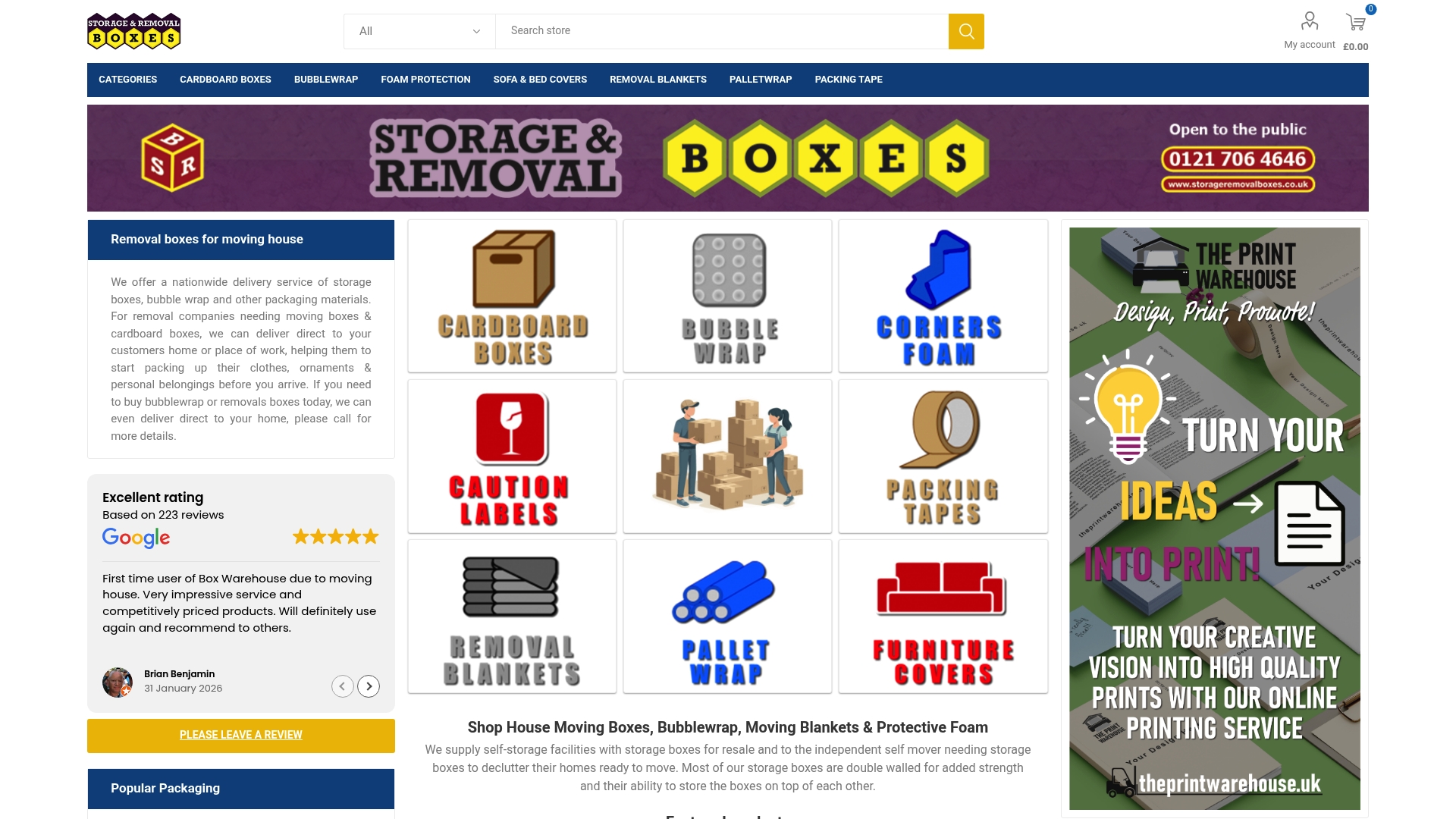
The difference between a move where everything arrives safely and one where you are filing damage claims often comes down to what you packed with. Storageremovalboxes stocks the full range of materials needed for a properly protected move: double-wall and triple-wall removal boxes, bubble wrap rolls, foam protectors, packing paper, and moving blankets.
For fragile items, the protective packaging options for 2026 include anti-static bubble wrap and specialist corner protectors designed to handle the specific risks of transit. Pre-packed removal kits are available for different household sizes, so you get the right quantity of materials without guessing. Order early, pack properly, and your belongings will arrive the way they left.
FAQ
What is proper packing for a house move?
Proper packing means securing each item individually to prevent movement inside the box during transit. It involves using the right box size, adequate padding material, complete cavity fill, and sealed, labelled boxes.
How much does it cost to replace broken items after a move?
Broken items cost an average of £82 each to replace, and 14% of movers spend over £150 on replacements after a single move.
Why do self-packed boxes break more often than professionally packed ones?
Self-packed boxes have roughly six times the damage rate of professionally packed boxes, mainly due to under-padding, incorrect stacking, and boxes that are not filled completely.
Does removal insurance cover damage from DIY packing?
Removal insurance frequently excludes damage from self-packed boxes. Coverage is most reliable when items are packed by professional removers.
When should I start packing for a house move?
Starting 2–3 weeks before moving day gives you enough time to pack non-fragile items first and then give proper attention to fragile and valuable belongings without rushing.