Why use strong packing materials: a practical guide
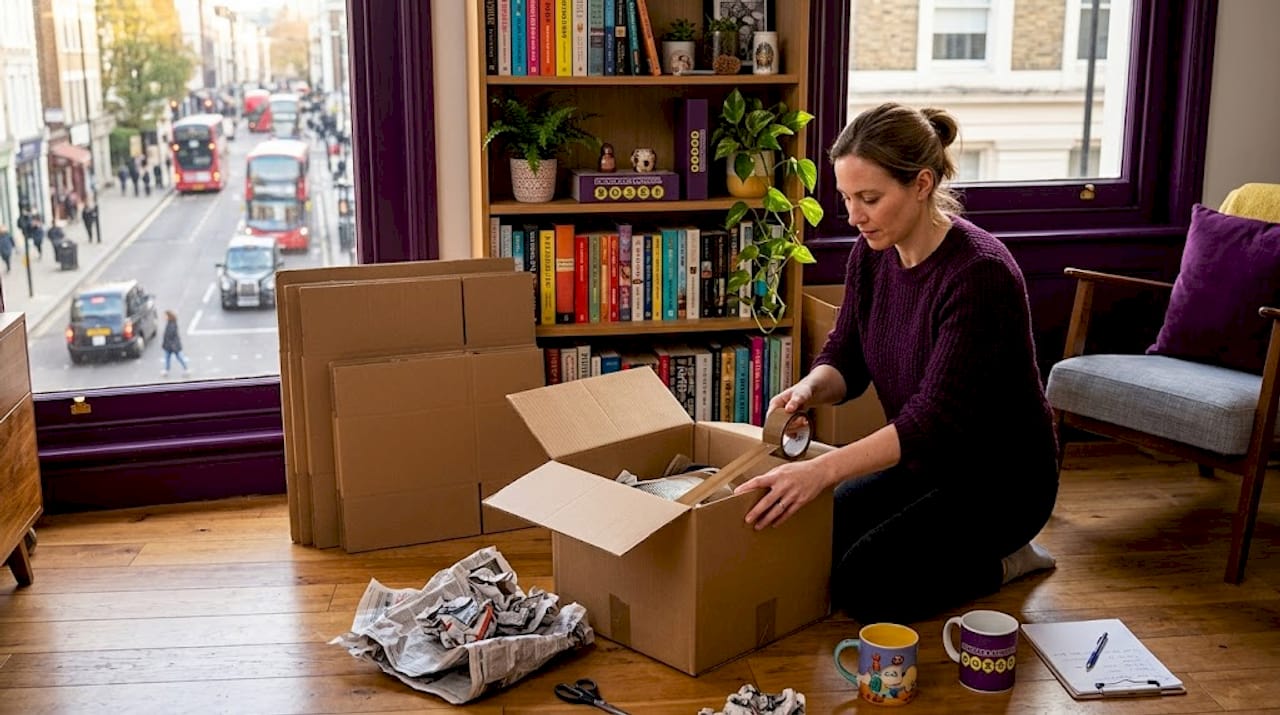
- Using strong packing materials is essential to prevent damage during transit by absorbing impacts from drops, stacking, and moisture. Double-wall corrugated boxes combined with proper internal cushioning significantly reduce breakages and support claims, offering long-term cost savings. Selecting appropriate materials based on item fragility, weight, and transport conditions ensures optimal protection and preserves item condition during storage and shipping.
Most people grab whatever boxes are to hand when moving house or dispatching goods, and that single decision causes more damage than any bumpy road ever could. Understanding why use strong packing materials matters is not about being overly cautious. It is about recognising that your items will face drops, stacking pressure, vibration, and moisture before they reach their destination. The right materials absorb those forces. The wrong ones simply collapse under them. This guide covers what makes packing materials genuinely strong, how to choose the right ones, and why the investment pays off every time.
Key takeaways
| Point | Details |
|---|---|
| Strength has two layers | Outer box structure and internal cushioning must both be strong to prevent damage. |
| Double-wall boxes outperform | Upgrading to double-wall corrugated can reduce damage rates by 60 to 80 per cent. |
| Cost savings are real | Avoiding just one breakage or return justifies the extra spend on stronger materials. |
| Carrier claims depend on packaging | Inadequate packing can void damage claims with couriers and insurers. |
| Right size matters as much as strength | A strong box packed loosely still fails. Snug fit and good sealing complete the protection. |
Why use strong packing materials: functions and features
Not all packing materials are built the same, and understanding why starts with knowing what your packaging actually has to withstand. A parcel or removal box faces at least four distinct hazards during transit: drops, vibration, compression from stacking, and exposure to moisture or temperature changes.
Corrugated boxes combine strength and durability with lightweight handling, which is why they remain the go-to choice for heavier and fragile goods. The fluted inner layer of a corrugated board acts like a series of small arches, distributing force across the box surface rather than concentrating it at one point. Double-wall versions stack two of these fluted layers together, producing a structure that resists both side impact and vertical compression.
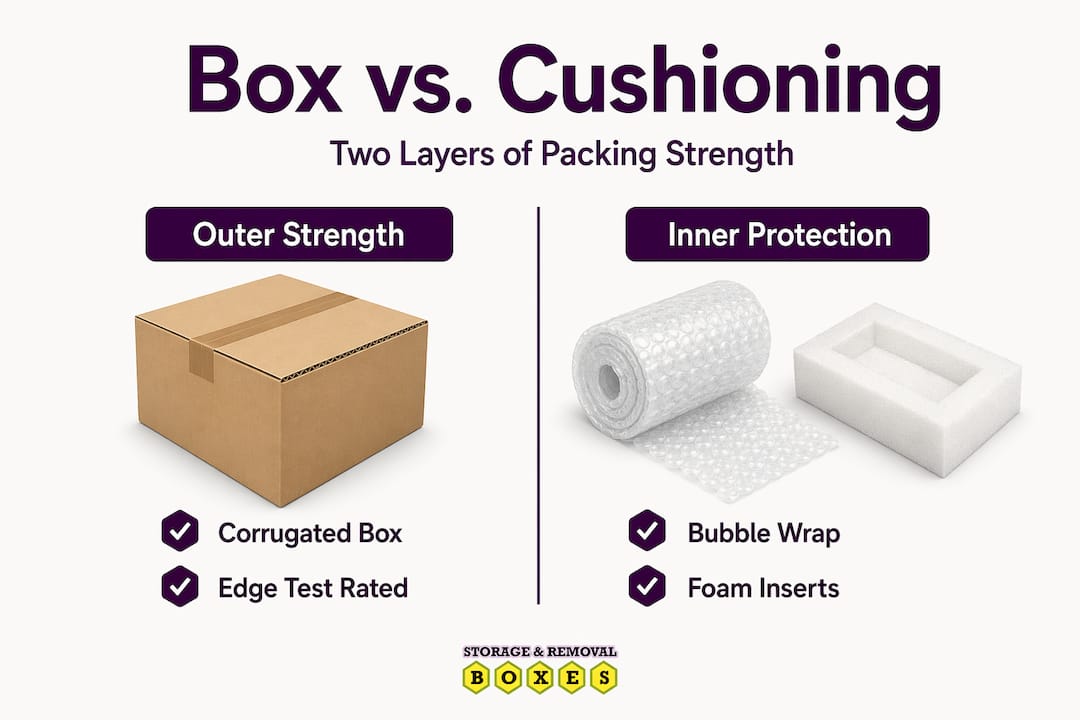
Internal cushioning is the second half of the equation. Packaging failure separates carton compression resistance and internal product immobilisation; you need both to work. A corrugated outer box that is packed loosely will still allow your item to bounce freely inside, generating enough impact force to crack glass or bend electronics. Bubble wrap, foam inserts, packing paper, and air pillows each fill this role differently, but all serve the same core purpose: keeping the item immobile and absorbing shock before it reaches the product.
Key features to look for in strong packing materials:
- Double-wall corrugated board for boxes carrying items over 10 kg or anything fragile
- Closed-cell foam or bubble wrap for internal cushioning around vulnerable surfaces
- Reinforced seams and corners on boxes, since these are the first points to fail under compression
- Moisture resistance in the board coating, particularly for storage or long-distance transit
- Consistent wall thickness across the entire box, not just the panels
Pro Tip: Always check whether a box has been stored in a damp environment before use. Moisture reduces corrugated board strength by up to 75 per cent, so a “new” box from a garage stack may already be significantly weaker than it looks.
Comparing packing materials: which ones actually protect
Choosing between materials comes down to item fragility, weight, journey length, and your budget. The table below sets out the most common options side by side.
| Material | Strength level | Best use | Cost relative to alternatives |
|---|---|---|---|
| Single-wall corrugated box | Moderate | Light items under 10 kg, short moves | Lower |
| Double-wall corrugated box | High | Fragile, heavy, or stacked items | Moderate |
| Bubble wrap | High (cushioning) | Wrapping breakables, filling void space | Moderate |
| Foam inserts or sheets | Very high (cushioning) | Electronics, glassware, precision items | Higher |
| Packing paper / tissue paper | Low to moderate | Wrapping non-fragile items, gap filling | Lowest |
| Air pillows | Moderate (cushioning) | Void fill in larger boxes | Low to moderate |
The most important comparison is between single-wall and double-wall corrugated. Double-wall corrugated starts at around 44 to 48 ECT versus 32 ECT for single-wall, and while the upgrade costs 30 to 50 per cent more per box, it can reduce damage rates by 60 to 80 per cent. That arithmetic is straightforward. One broken lamp, cracked screen, or returned shipment costs far more than the difference in box price. You can explore the advantages of double-wall packaging in more detail if you are weighing up whether the upgrade makes sense for your move or business.
Beyond boxes, the debate between foam and bubble wrap is worth settling. Foam inserts provide superior contact protection because they conform to the item’s shape and do not shift in transit. Bubble wrap is more flexible and easier to apply around irregular shapes. For genuinely fragile items such as ceramics or electronics, foam is the better call. For general wrapping and void fill, bubble wrap is cost-effective and performs well.
Sustainability is increasingly part of the decision too. Corrugated cardboard is widely recyclable, and most reputable suppliers now offer boards made from a high proportion of recycled content. Using durable packaging that also recycles well means you are not choosing between protection and environmental responsibility.
The real cost of getting it wrong
The financial argument for strong packing is not subtle. Well-chosen packaging lowers breakages and supports long-term brand trust, which translates directly into fewer returns, fewer refund requests, and fewer negative reviews. For a business dispatching goods regularly, even a small reduction in damage rate has a compounding effect on profit margins.
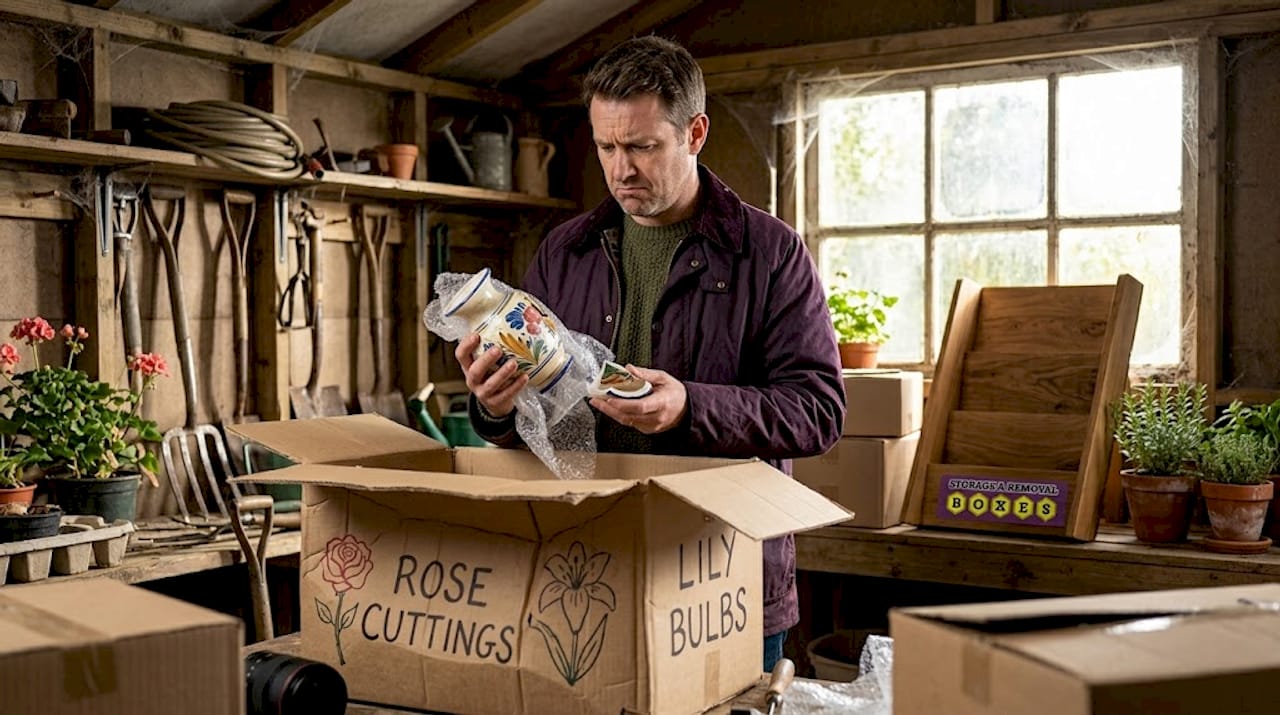
There is also the question of carrier claims. Carriers may deny damage claims if packaging is inadequate. Most couriers specify minimum packaging requirements, including double-wall boxes for items over 25 lbs (approximately 11 kg) and a minimum cushioning thickness. If your packaging does not meet those standards and an item is damaged in transit, you may have no recourse whatsoever.
For individuals moving house, the cost calculation is personal rather than commercial but no less real. Replacing a broken television, a chipped heirloom, or a damaged piece of furniture will cost significantly more than the few extra pounds spent on reinforced double-wall moving boxes in the first place.
Pro Tip: Photograph your packed boxes before they leave your hands, especially if using a removal company. This creates a record of packaging quality that supports any subsequent claim.
The benefits of strong packing extend further still:
- Fewer items damaged means fewer customer service interactions and disputes
- Better packaging signals professionalism and care to recipients, whether personal or commercial
- Stronger boxes stack more safely in storage, reducing the risk of collapse
- Items stored in quality boxes over months retain their condition far better than those in flimsy alternatives
How to select the right materials for your needs
Matching materials to items is where most people either get it right or get it badly wrong. Here is a practical process for making the right call.
- Assess item fragility and weight. Fragile items and anything over 10 kg need double-wall corrugated boxes as a minimum. Light clothing or soft furnishings can tolerate single-wall.
- Check the ECT rating. The Edge Crush Test rating on a box indicates its stacking resistance. Board grade tests like the Edge Crush Test measure stacking resistance, but real box durability also depends on construction quality, seams, and sealing. Look for a minimum of 44 ECT for heavy or fragile items.
- Choose internal cushioning to match the item. Wrap fragile surfaces in bubble wrap or foam before placing them in the box. For items that can shift, fill every gap with packing paper or air pillows until nothing moves when the box is gently shaken.
- Pick the right box size. Oversized boxes allow items to move and increase the risk of the box buckling under stacking. The item should fit with just enough room for cushioning on all six sides.
- Seal thoroughly. Use quality packing tape applied in an H-pattern across both the bottom and top seams. A well-sealed box retains its structural integrity significantly longer than one sealed with a single strip.
- Consider the journey. Long-distance shipping or multi-leg courier journeys need stronger materials than a local van move. Expert advice on selecting packing materials consistently highlights matching material choice to the specific transport scenario rather than defaulting to a one-size approach.
You will find a broader overview of packing materials for a safe move useful if you are planning a full household removal and want to work through the full list of what you need.
Keeping packing strength intact through transit and storage
Choosing strong materials is only the beginning. How those materials perform over time, through repeated handling, and in different environments determines whether they actually protect your goods.
Durability in e-commerce packaging covers strength, sizing, sealing, and cushioning across multiple handling points. A box that survives one drop does not necessarily survive five. Reinforced corners and double-wall construction make a measurable difference here, particularly for items that pass through several depots or storage facilities before reaching their destination.
Environmental factors are a significant and underestimated threat to packaging strength:
- Humidity weakens corrugated board faster than almost anything else. Store boxes off the ground and away from external walls.
- Temperature extremes can cause foam and bubble wrap to contract or expand, reducing their cushioning performance.
- UV exposure degrades certain foam types over prolonged periods, so long-term storage items benefit from opaque outer packaging.
- Stacking weight compresses even strong boxes over time. Always stack heaviest boxes at the bottom and never exceed the box’s stated stacking limit.
Packaging validation through standardised testing such as ISTA drop simulations reveal weak points like seam failures and cushioning shifts that are not obvious from simply looking at a box. Businesses shipping goods at volume should consider periodic testing of their packaging configurations, not just the materials in isolation.
My honest take on packing materials
I have seen every version of the “it’ll be fine” approach to packing, and it rarely is. The most common and costly mistake I come across is people treating the outer box as the entire solution. They pick a double-wall box, which is the right instinct, but then pack items loosely inside with half a roll of inadequately placed bubble wrap and wonder why things arrive broken.
The truth is that the outer box handles compression and stacking. Internal cushioning handles the drops and vibration. You genuinely need both to be doing their job. Cutting corners on one makes the other irrelevant.
What I have also learnt is that people consistently underestimate how much a single damage incident costs. Beyond the replacement value, there is the time, the admin, the relationship damage if it is a business context, and the stress if it is a personal move. Spending an extra £10 to £20 on better boxes and proper foam or bubble wrap for a full household removal is not a luxury. It is the cheapest insurance you will buy.
My advice: do not judge a box by how it feels in your hands. Check the ECT rating, check the wall construction, and then actually fill it properly. A strong box with a snug, well-cushioned fit outperforms an impressive-looking box packed loosely every single time.
Pack with confidence using Storageremovalboxes
If you are moving house, running a removal business, or managing storage facilities, Storageremovalboxes has everything you need in one place. The range includes large double-wall removal boxes built for heavy and bulky items, rolls of bubble wrap for cushioning fragile pieces, and foam protection products for items that need maximum shock absorption. All materials are made from recyclable content and designed for the real demands of UK moves and storage. Bulk discounts are available for commercial customers, and nationwide delivery means your materials arrive when and where you need them. No guesswork, no last-minute trips to a DIY shop.
FAQ
What makes a packing box genuinely strong?
A strong box combines a high Edge Crush Test rating, double-wall corrugated construction, and well-sealed seams. Board grade alone does not determine performance; construction quality and proper sealing are equally important.
Why do carriers reject damage claims for poorly packed items?
Most couriers set minimum packaging standards, including double-wall boxes for heavier items and a minimum cushioning depth. If your packaging does not meet these requirements, carriers can and do refuse damage claims.
Is double-wall corrugated worth the extra cost?
Yes. Upgrading from single-wall to double-wall corrugated can reduce damage rates by 60 to 80 per cent, and the cost difference per box is typically 30 to 50 per cent. One avoided breakage or return more than covers the upgrade cost.
How does moisture affect packing materials?
Moisture significantly weakens corrugated board, reducing its structural strength and making it prone to collapse under stacking. Store boxes in dry conditions and avoid reusing boxes that have been exposed to damp.
What is the best internal cushioning for fragile items?
Foam inserts offer the highest level of protection for fragile items because they conform to the item’s shape and do not shift in transit. Bubble wrap is a strong second choice, particularly for wrapping irregular shapes before placing items in a box.