Wrap furniture for moving: protect your items in 2026
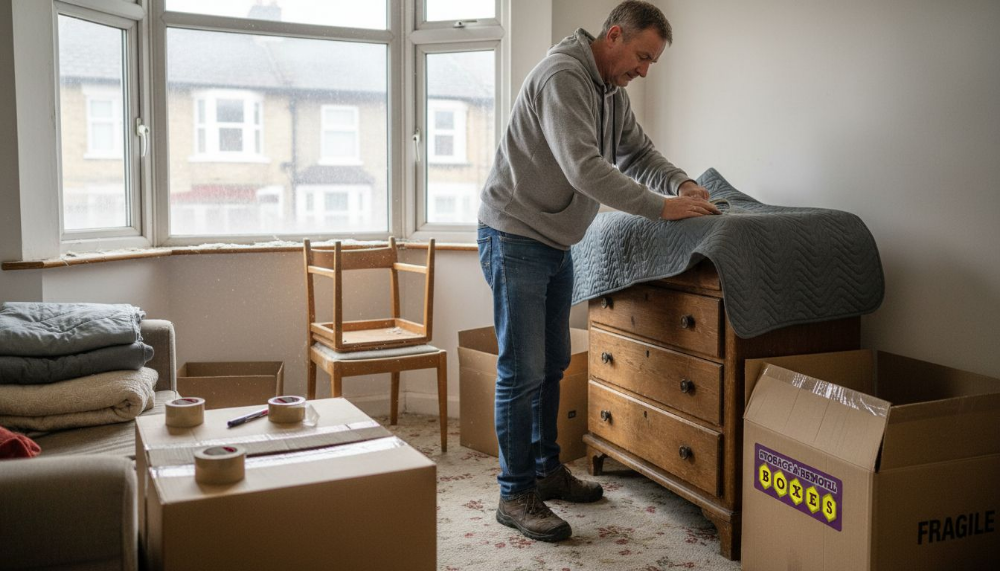
Moving house ranks among life’s most stressful events, and damaged furniture compounds that stress significantly. In the UK, improper wrapping causes damage rates up to 30% during relocations. The nation’s rainy, humid climate further elevates risks of moisture damage, warping, and mould. Learning proper wrapping techniques can reduce damage incidence to below 5%, safeguarding your valuable possessions whilst saving replacement costs and heartache.
Table of Contents
- Why Proper Furniture Wrapping Matters In UK Moves
- Prerequisites And What You Need Before Wrapping Furniture
- Step-By-Step Guide To Wrapping Furniture For Moving
- Common Mistakes And How To Avoid Them When Wrapping Furniture
- Expected Results, Success Metrics And Troubleshooting Wrapping Issues
- Get All Your Wrapping Supplies In One Place
Key takeaways
| Point | Details |
|---|---|
| Damage reduction | Correct wrapping techniques lower furniture damage from 30% to below 5% during moves. |
| Essential materials | Use moving blankets, bubble wrap, plastic wrap, foam corner protectors, and heavy-duty tape for optimal protection. |
| Preparation matters | Always disassemble large pieces and clean surfaces before wrapping to improve adhesion and results. |
| Layer strategically | Combine multiple materials to prevent shifting, moisture, and impact damage during transport. |
| Avoid moisture traps | Never wrap unfinished wood directly with plastic to prevent warping and permanent damage. |
Why proper furniture wrapping matters in UK moves
Your furniture faces numerous threats during relocation. Transport vibrations, stacking pressure, weather exposure, and handling mishaps all conspire to damage unprotected items. Furniture can suffer scratches, dents, and water damage if not wrapped properly with removal statistics showing surprisingly high damage rates for inadequately protected pieces.
The UK’s specific climate poses unique challenges. Rainy, humid weather increases risk of moisture damage during loading, transport, and unloading phases. Even brief exposure to drizzle can soak into wood grain, causing swelling, warping, and finish deterioration. Metal components may rust, whilst upholstery absorbs moisture that leads to mould growth.
Common furniture damage during UK moves includes:
- Surface scratches from contact with walls, door frames, and other furniture
- Corner dents and chips from impacts during handling
- Water staining and warping from rain exposure
- Fabric tears and upholstery damage from friction
- Structural joint loosening from vibration and movement
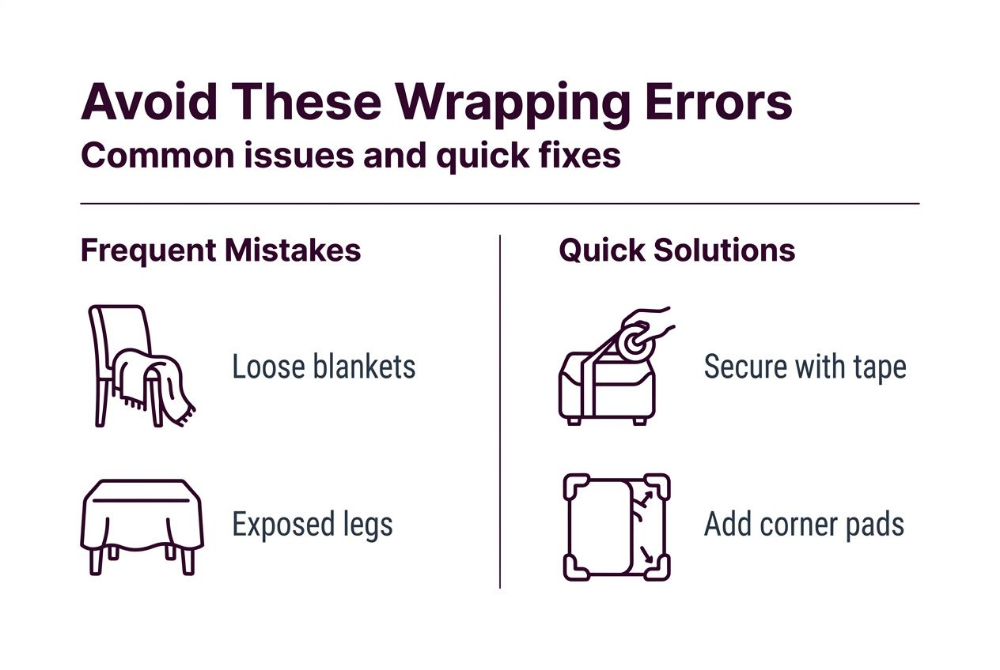
Improper wrapping methods can actually worsen outcomes. Loose materials shift during transport, creating friction points that abrade surfaces. Insufficient padding allows impacts to transfer directly to furniture. Wrong material combinations trap moisture against vulnerable surfaces.
Damage rate comparison:
Unwrapped or poorly wrapped furniture experiences damage rates approaching 30% in typical UK moves. Properly wrapped items using layered protection methods see damage rates drop below 5%. This dramatic reduction protects your investment whilst eliminating the stress and expense of repairs or replacements.
Layered protection creates multiple defensive barriers. Soft inner layers cushion against impacts. Middle layers distribute pressure evenly. Outer layers repel moisture and dirt. When secured properly, these layers work together to shield furniture from the rigours of transport. Following proper moving tips ensures you protect every piece effectively.
Prerequisites and what you need before wrapping furniture
Successful furniture wrapping begins with gathering appropriate materials and preparing your pieces properly. Cleaning furniture improves tape adhesion and wrapping effectiveness, whilst having everything ready streamlines the process and prevents mid-task interruptions.
Essential wrapping materials:
- Standard furniture blankets for broad surface protection and cushioning
- Bubble wrap options in various widths for fragile components and corners
- Plastic stretch wrap to seal layers and repel moisture
- Foam corner protectors for vulnerable edges
- Heavy-duty packing tape that adheres well and resists tearing
- Cardboard sheets for additional protection on flat surfaces
Preparation tools and supplies:
- Non-abrasive microfibre cloths for cleaning
- Mild detergent solution for removing dirt and grease
- Furniture disassembly tools including screwdrivers and Allen keys
- Small bags for storing screws, bolts, and small hardware
- Labels for marking disassembled parts and their locations
| Material Type | Primary Purpose | Best Used For |
|---|---|---|
| Moving blankets | Impact cushioning and broad protection | Large surfaces, tabletops, cabinet sides |
| Bubble wrap | Fragile part protection and corner cushioning | Glass panels, ornate details, projecting elements |
| Plastic wrap | Moisture barrier and layer securing | Outer sealing, drawer securing, fabric protection |
| Foam protectors | Edge and corner shielding | Table corners, chair legs, cabinet edges |
| Packing tape | Material securing and seam sealing | All wrapped items requiring layer adhesion |
Pro Tip: Clean furniture surfaces at least 24 hours before wrapping to ensure complete drying. Moisture trapped under wrapping materials can damage finishes and promote mould growth, particularly on wooden pieces.
Disassembling large furniture offers multiple benefits. Reduced bulk makes pieces easier to wrap thoroughly and manoeuvre through doorways. Removing legs, shelves, and detachable components protects vulnerable joints from stress. Flat-packed items stack more efficiently in removal vehicles, reducing movement during transport.
Label each disassembled part clearly and bag all hardware together, taping bags to corresponding furniture pieces. This organisation prevents confusion during reassembly at your new home. Take photos before disassembly to create visual references for reconstruction.
Step-by-step guide to wrapping furniture for moving
Proper wrapping follows a logical sequence that builds protection layer by layer. Each step serves a specific purpose in safeguarding your furniture from damage.
1. Disassemble and clean thoroughly
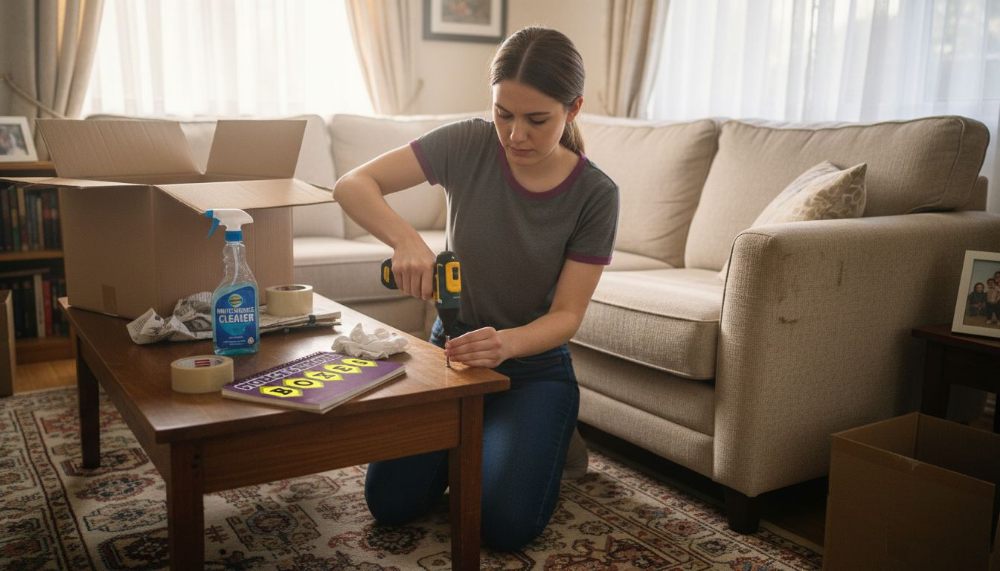
Remove all detachable components including legs, shelves, drawers, and cushions. Clean every surface with mild detergent solution and dry completely. This preparation ensures tape adheres properly and prevents dirt from scratching finishes during transport.
2. Wrap fragile and protruding parts first
Identify vulnerable elements like glass panels, ornate carvings, and projecting hardware. Wrap these components individually with multiple layers of bubble wrap, securing with tape. Pay special attention to corners and edges where impacts concentrate. This targeted protection cushions breakables before broader wrapping begins.
3. Apply moving blankets for broad protection
Drape furniture blankets over entire pieces, ensuring complete coverage of all surfaces. Overlap blanket edges by at least 10 centimetres to prevent gaps. Tuck blankets into crevices and around complex shapes. This layer provides impact cushioning and prevents surface abrasion during handling.
4. Secure blankets with plastic wrap
Wind plastic stretch wrap around blanketed furniture, starting from the bottom and working upward. Maintain tension to hold blankets firmly in place without crushing padding. Furniture damage is often caused by shifting wraps; securing layers tightly is essential. The plastic also creates a moisture barrier protecting against rain and humidity.
5. Seal all seams and edges with tape
Apply heavy-duty packing tape along all plastic wrap seams and edges. Reinforce corners and stress points with additional tape strips. Proper plastic wrap securing methods prevent unwrapping during handling. Check that no loose ends could catch on doorways or other furniture.
6. Add final protective elements
Attach foam corner protectors to exposed edges. Place cardboard sheets between stacked items. Label each wrapped piece clearly with its contents and destination room. These finishing touches provide extra insurance against damage whilst simplifying unpacking.
Pro Tip: Wrap drawers closed rather than removing them, using plastic wrap to secure fronts. This maintains drawer alignment and protects interior contents. For valuable items, photograph wrapped furniture from multiple angles to document pre-move condition.
Different furniture types require specific considerations. Upholstered pieces need breathable wrapping to prevent mildew. Wooden furniture with delicate finishes benefits from soft blanket contact rather than plastic touching surfaces directly. Glass tabletops require extra bubble wrap layers and prominent fragile labels. Adapt these core techniques using secure wrapping techniques appropriate for each piece’s unique vulnerabilities.
Common mistakes and how to avoid them when wrapping furniture
Even well-intentioned efforts can fail when fundamental principles get overlooked. Understanding frequent errors helps you avoid costly damage.
Never wrap unfinished wood directly with plastic
Wrapping unfinished wood directly with plastic wrap traps moisture and causes warping. The sealed environment prevents natural moisture evaporation, leading to swelling, cracking, and permanent deformation. Always place breathable moving blankets between wood and plastic layers. This arrangement allows moisture regulation whilst still providing protection.
Do not leave furniture legs unprotected
Exposed legs concentrate weight onto small surface areas, making them prone to breakage. They also scratch floors during loading and unloading. Wrap each leg individually with bubble wrap or foam padding, securing with tape. This simple step prevents broken legs and floor damage.
Avoid relying solely on bubble wrap for heavy items
Bubble wrap excels at cushioning fragile components but compresses under sustained pressure. Large furniture pieces need the broader support that moving blankets provide. Bubble wrap shifts more easily than blankets, creating friction points. Use bubble wrap as targeted protection for vulnerable areas, not as sole wrapping for entire pieces.
Common wrapping mistakes to avoid include:
- Using insufficient padding on corners and edges where damage concentrates
- Leaving gaps in wrapping coverage that expose surfaces to scratches
- Applying plastic too loosely, allowing materials to shift during transport
- Failing to secure drawers and doors, which can swing open and damage
- Skipping labels, making unpacking chaotic and increasing handling risks
Insufficient tape creates another common failure point. Wrapping materials must remain firmly attached throughout loading, transport, and unloading. Use generous amounts of quality packing tape on all seams and stress points. Test wrapped pieces by gentle shaking to ensure nothing shifts. Proper securing wrapping to prevent damage requires investing adequate time in thorough taping.
Rushing the wrapping process inevitably leads to shortcuts that compromise protection. Allocate realistic time for each piece based on its size and complexity. Taking an extra 10 minutes per item to wrap properly costs far less than replacing damaged furniture.
Expected results, success metrics and troubleshooting wrapping issues
Properly wrapped furniture should arrive at your destination in the same condition it left. Damage rates below 5% indicate effective wrapping methods have been used, matching professional removal standards. Setting clear success benchmarks helps you evaluate your wrapping effectiveness.
Success indicators:
- All surfaces remain scratch-free and undented after transport
- Corners and edges show no chips or damage
- Wooden furniture displays no warping or moisture marks
- Wrapping materials remain securely attached without loosening
- Disassembled components reassemble smoothly without missing hardware
| Issue | Cause | Solution |
|---|---|---|
| Wrap loosening during transport | Insufficient tape or plastic tension | Re-secure immediately; add extra tape to stress points |
| Corner damage despite wrapping | Inadequate foam protection or impact cushioning | Double bubble wrap layers on corners; add foam protectors |
| Moisture marks on wood | Direct plastic contact or rain penetration | Use breathable blanket layer; reseal plastic gaps |
| Scratches on surfaces | Material shifting or insufficient padding | Increase blanket layers; secure more tightly with plastic |
| Drawer misalignment | Movement during transport | Wrap drawers closed; add internal supports |
Troubleshooting during the move:
Inspect wrapped furniture after loading into the removal vehicle. Check for loosening wrap or exposed areas. Re-secure any questionable sections before transport begins. During unloading, examine pieces for damage before removing wrapping. Document any issues immediately with photographs for insurance purposes.
If you discover damage, assess whether wrapping failure or handling error caused it. Wrapping failures typically show at stress points where materials loosened or gaps allowed contact. Handling damage often appears as localised impacts or pressure marks. This distinction helps refine techniques for future moves.
Temperature and humidity fluctuations during storage require special consideration. Furniture stored long-term needs periodic unwrapping to prevent moisture accumulation. Brief airing every few months maintains material condition. For storage periods exceeding six months, consider climate-controlled facilities to minimise environmental stress.
Pro Tip: Create a simple checklist for each furniture piece: cleaned, disassembled, fragile parts wrapped, blankets applied, plastic secured, corners protected, labelled. Ticking items off ensures consistent quality across all pieces.
Successful wrapping becomes easier with practice. Your first few pieces may take longer as you develop techniques. Maintain patience and focus on quality over speed. The time invested pays dividends through damage-free arrivals and stress-free unpacking. Quality materials from choosing wrapping materials suppliers ensure your careful work has proper support.
Get all your wrapping supplies in one place
Protecting your furniture during your 2026 move requires quality materials and proper technique. Storage and Removal Boxes offers comprehensive packaging for moving solutions tailored specifically for UK relocations. Our range includes everything from furniture blankets and bubble wrap to plastic wrap and foam protectors.

We understand the challenges UK movers face, from unpredictable weather to narrow doorways requiring careful manoeuvring. Our moving packs bundle essential materials at competitive prices, ensuring you have sufficient supplies without overbuying. Choose from household-size-specific kits or build custom orders matching your exact needs.
Every product meets rigorous durability standards whilst using recyclable materials that align with environmental responsibility. Our double-walled boxes, premium bubble wrap, and professional-grade blankets provide the same protection removal companies rely on. UK-wide delivery brings everything directly to your door, streamlining preparation and letting you focus on wrapping rather than sourcing supplies.
Our customer support team offers expert guidance on material selection and quantities. Whether moving a studio flat or five-bedroom house, we help you calculate requirements accurately. This personalised service ensures you invest wisely whilst protecting every item thoroughly.
FAQ
How do I protect wooden furniture from moisture when wrapping?
Always place breathable moving blankets between wooden surfaces and plastic wrap. This creates a moisture barrier whilst allowing natural vapour regulation. Never apply plastic directly to unfinished wood, as trapped moisture causes warping and finish damage.
Can bubble wrap be used alone to wrap furniture safely?
Bubble wrap excels at protecting fragile components and corners but compresses under the weight of large furniture. Combine it with furniture blankets for broad surface protection and foam protectors for edges. This layered approach prevents shifting whilst cushioning against impacts effectively.
Should I disassemble furniture before wrapping it for moving?
Disassembling large pieces reduces bulk, protects vulnerable joints, and simplifies wrapping. Remove legs, shelves, and detachable components on complex furniture. Smaller items and sturdy pieces without removable parts can be wrapped assembled, but disassembly improves protection for most furniture.
What tape works best for securing furniture wrapping?
Heavy-duty packing tape specifically designed for moving provides superior adhesion and tear resistance. Avoid standard office tape, which loosens under stress and temperature changes. Apply tape generously at all seams, corners, and stress points to prevent unwrapping during transport.
How much bubble wrap do I need for furniture corners?
Wrap each corner with at least three layers of bubble wrap, extending 15-20 centimetres along each edge from the corner point. Secure with tape, then add foam corner protectors over the bubble wrap for maximum protection. This combination cushions impacts whilst preventing punctures through single-layer wrapping.